
 Do Son
Debian's AI policy vote picked "Responsible Use of Generative AI": AI is neither banned nor endorsed, with full accountability left to contributors.
Linux
Linux security news from Daily CyberSecurity covers the vulnerabilities, patches and threats that matter to anyone running Linux servers, desktops or embedded devices. Here you will find kernel flaws and privilege escalation bugs, security updates for major distributions such as Ubuntu, Debian, Red Hat and SUSE, open-source supply chain issues, and Linux-targeting malware and botnets. Each report explains which versions are affected, how serious the risk is and what to patch first.

California passes AB-1856, exempting open-source operating systems like Linux from the burdensome age verification mandates of the Digital Age Assurance Act.

Canonical releases Ubuntu 26.04.1 LTS, consolidating security patches and resolving critical desktop, hardware, and installation bugs for new deployments.

Discover the new Framework Laptop 12 featuring Intel Core Series 3 processors, a 70 percent battery boost, and default Fedora Linux OS configuration.
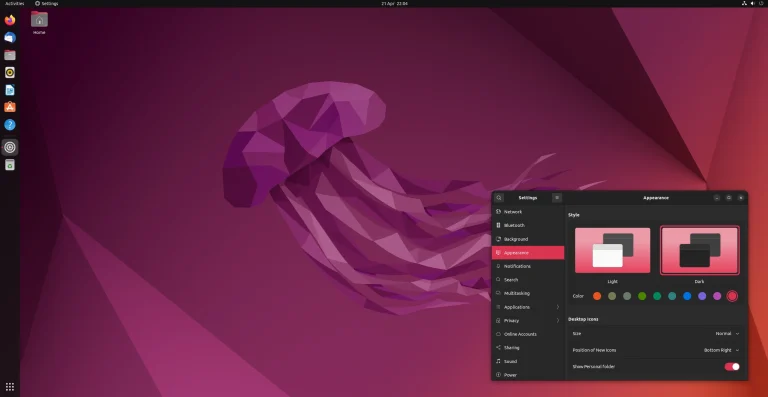
Canonical reveals that Ubuntu installations on the Windows Subsystem for Linux (WSL) are surging, soon surpassing native desktop deployments due to AI tools.

Following extensive testing, Linux Kernel 7.2 is now available. Discover the latest updates regarding hardware drivers, file systems, and kernel security.
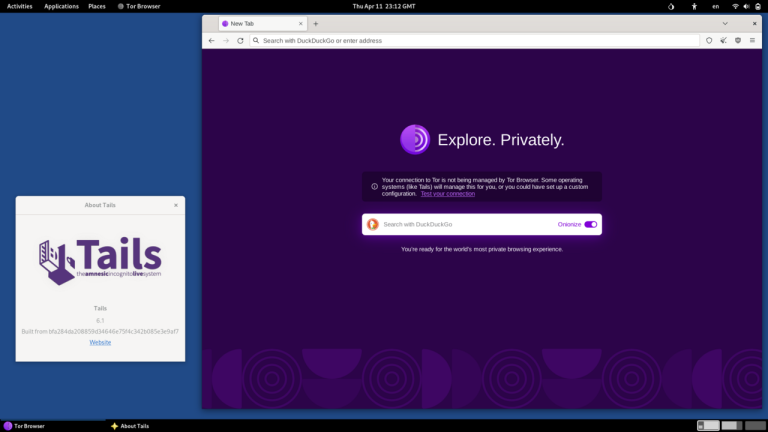
Tails 7.10.1 patches CVE-2026-64560 in the Linux kernel and expat library flaws that could let attackers deanonymize users and gain admin privileges.
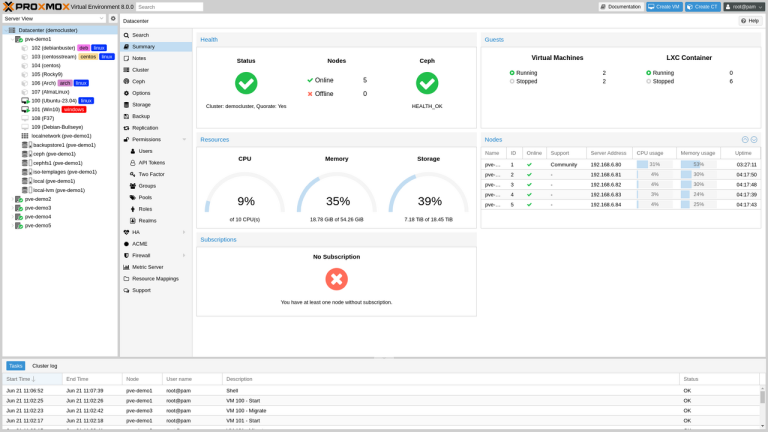
Proxmox VE Arm64 has officially launched, bringing feature parity, unified lifecycle management, and enterprise support to 64-bit Arm server architectures.
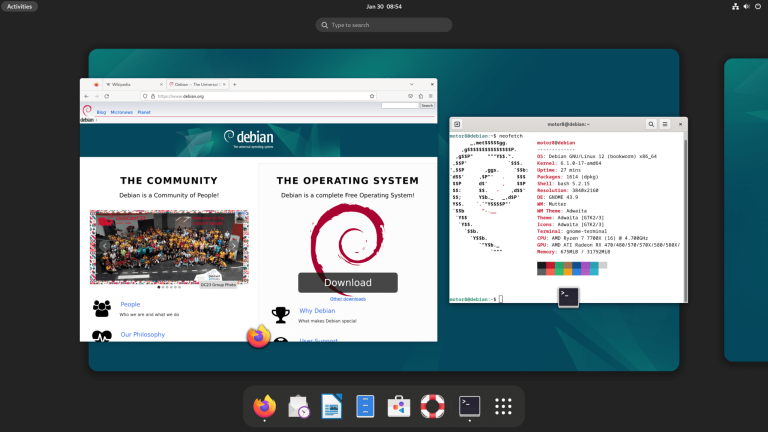
Debian 13 pushes a kernel update fixing 68 vulnerabilities including four critical use-after-free flaws. Upgrade to kernel 6.12.100-1 and reboot now.
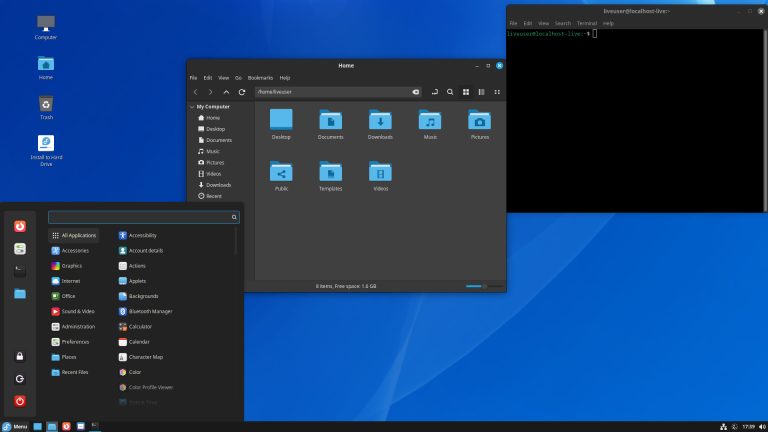
Fedora 46 will enable Intel CET shadow stack protection by default on x86-64 systems, blocking ROP attacks with minimal performance cost.

Debian is debating four proposals on AI-assisted contributions, ranging from an outright ban to allowing AI with disclosure and full contributor accountability.

Canonical has introduced the Canonical Enterprise Store for Ubuntu Pro users, enabling software distribution across air-gapped and enterprise networks.

Linux kernel CVEs surged to 440 advisories in just 24 hours, with many flaws found by AI. Most are already patched, so update your kernel promptly.

Ubuntu 25.10 end of life is July 9, 2026. Upgrade your system to Ubuntu 26.04 LTS today to maintain crucial security updates and system stability.
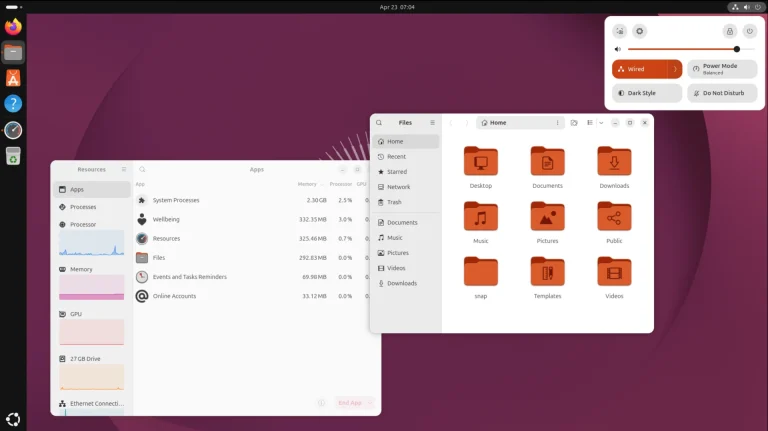
Canonical elevates Ubuntu Arm64 support to first-class in the 26.04 LTS release. Explore Livepatch updates, Snapdragon compatibility, and FEX gaming.
Ubuntu Livepatch now supports Arm64, applying critical kernel security updates with no reboot on Ubuntu Core 26 and Ubuntu 26.04 LTS.

The official Linux Kernel 7.1 release delivers critical stability enhancements and minor driver fixes. Learn about the new NTFS driver and Zen 6 support.
Explore the Ubuntu 26.10 release schedule and features. Download the early snapshot ISO safely and track the Stonking Stingray development milestones.

Security researcher Asim Manizada has released public details and a PoC for the CIFSwitch local root exploit impacting many Linux systems.

Linus Torvalds warns that a massive influx of automated, duplicate AI bug reports is causing severe administrative fatigue across Linux security mailing lists.

Microsoft releases Azure Linux 4.0 at the Open Source Summit, transforming its custom OS into a full general-purpose VM server distribution based on Fedora.
PoC Exploit Code Publicly Released: New “PinTheft” Linux Flaw Overwrites Page Cache for Instant Root
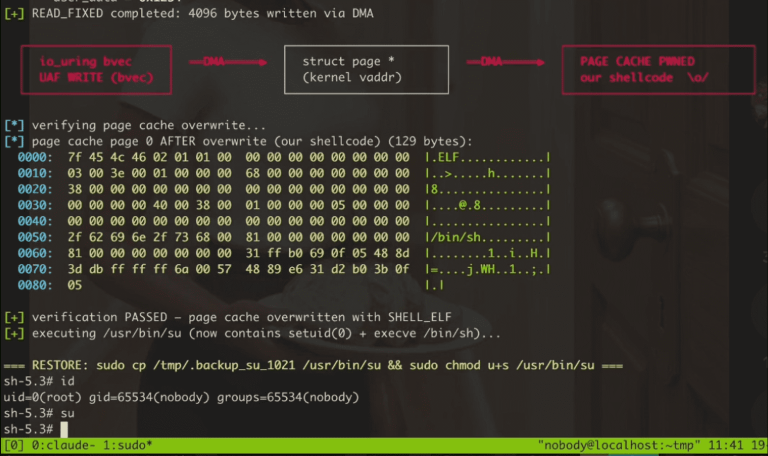
PoC Exploit Code Publicly Released: New “PinTheft” Linux Flaw Overwrites Page Cache for Instant Root
Technical details and a working PoC exploit are public for PinTheft, a critical Linux local privilege escalation bug. Block the RDS module now.