 Do Son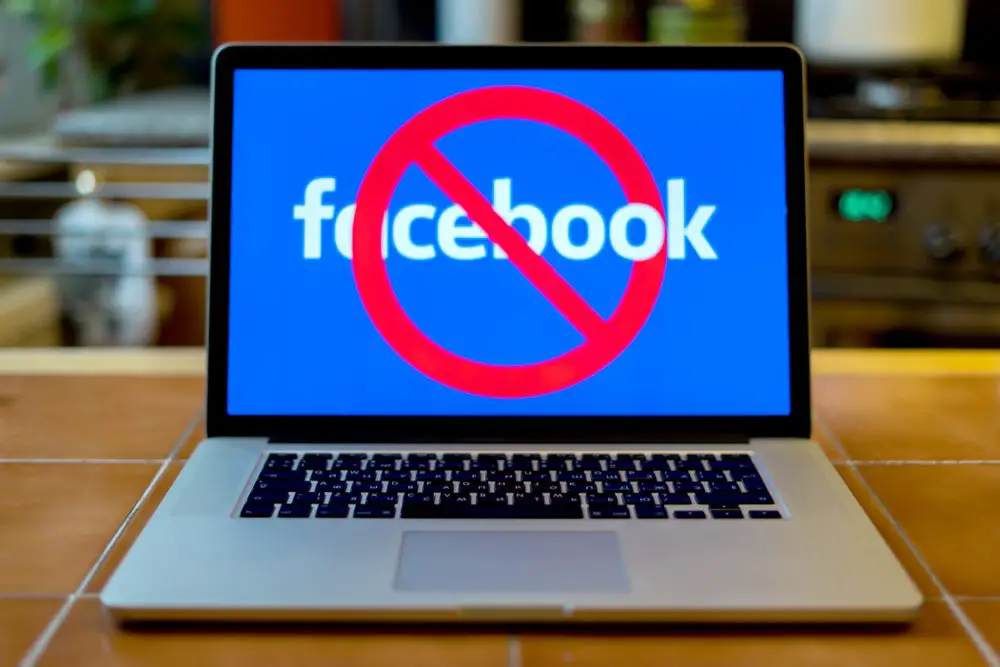
Nowadays, social media is the very breath of the Internet. There are moments when accessing it feels more like a need than a want.
When it comes to social media, there is no denying the power and influence that Facebook holds with almost everyone having a personal account. However, there are instances when logging in seems impossible due to a block or restriction placed by a certain establishment using a firewall. Restricting various websites like Facebook is often done by schools and businesses in order to encourage their students or employees to perform better in their duties and responsibilities, instead of wasting their time by surfing the Internet instead.
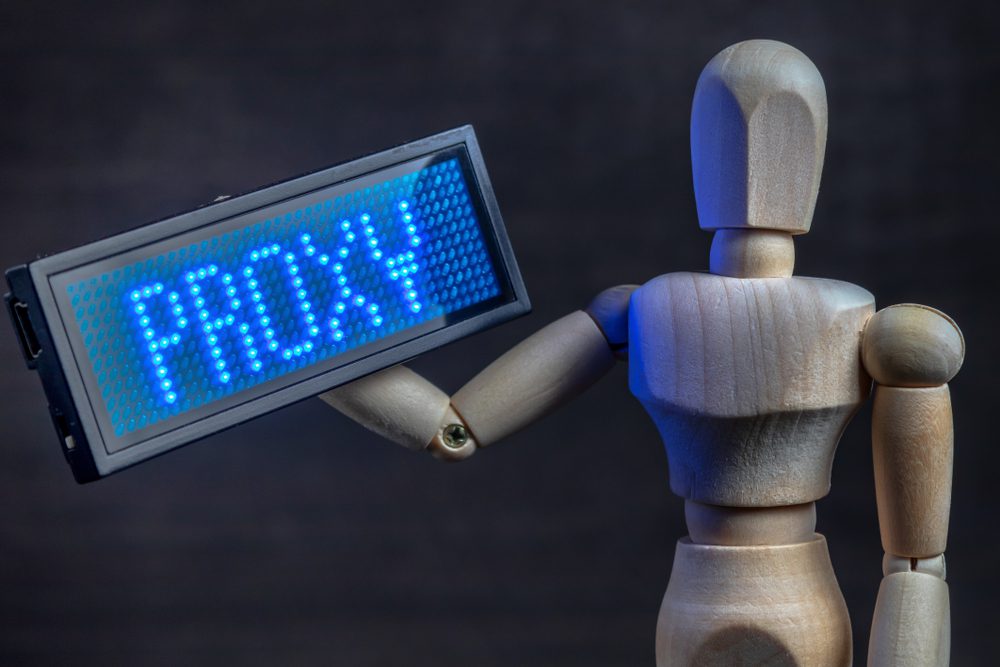
However, if your job, project, or report necessitates going to Facebook, then these restrictions may put you at a disadvantage. Thankfully, there are ways for you to get around these restrictions. One of them is by using a proxy server.
Introducing Facebook Proxy
The reason many websites get blocked is because of a firewall. Firewalls are software programs that exist in order to control network traffic and to block unauthorized access to and from private networks. They prevent the entry of viruses and malware, thereby safeguarding the integrity of a computer network or system.
But what if you really need to access Facebook but a firewall is preventing you from doing so? The answer is simple: use a Facebook proxy.
The How’s Of A Facebook Proxy
Accessing the internet works through an exchange of information by the computer you’re using and the network or server you are connected to. When you’re trying to connect to a certain website, your information will be used to determine whether you’re given access or not. If a firewall is in place on certain websites then you won’t get through the first wave of information exchange.
However, proxy servers can be used as an intermediary that could allow you to access a restricted website. This happens because you don’t connect to the network directly. Instead, you would first connect to a proxy server, which, in turn, connects to the network and requests access on your behalf.
Think of proxy servers as a camouflage. By camouflaging yourself, you are hiding vital information about yourself (in this case, your IP address among other things), which would be enough to allow you to access a restricted website. The proxy server makes it look like you’re accessing the internet from a different location and not one of the blocked IP addresses. More than that, proxy servers can also mask your activities.
As for a Facebook proxy, the process is simple: just type in the Facebook URL address in the proxy server and you can instantly gain access. To use proxy servers, you can either manually set them up on your browser or you can use a browser extension.
The Pros Of Using Facebook Proxies
Anonymity
Because a Facebook proxy hides your IP address, no one in the server can recognize you. This means that no one would be able to identify your actual identity and see your online activities. This provides you an effective cloak if you don’t want anyone snooping into your online activities.
Performance
Most proxy servers store information on their own local cache. This means that once you have visited a website, the information will be stored with the proxy’s cached data. The next time you access the same website, the proxy server wouldn’t need to visit the actual website but instead retrieve the information stored in the local cache. This allows for faster load time.
Protection
Depending on the type of proxy server you’re using, a proxy server can also enhance your own protection against hackers and cyber-attacks. For example, if you’re using a private proxy that only you can access, it gives an added security since no other person can access the information collected from your activities, as well as your own personal information.
The Cons Of Using Facebook Proxies
Identity Leaks Or Theft
While private and semi-dedicated proxy servers can increase your protection, the same cannot be said of public or open proxy servers. This is because anyone with access to a public proxy can also access the data stored in it. This would include your own information such as passwords, your IP address, and other incriminating and important information about you. An open or public proxy may render you susceptible to cyber-attacks, identity theft, and even proxy hacking.
Additional Investments
In order to get an efficient and safe proxy server, you would need to invest more money, especially if you want a server that is totally compatible with your own system. For employees with several bills to pay, this is not easy to afford, even more so for students.
Conclusion
Using a Facebook proxy can definitely allow you to access the social media platform even if it’s blocked. However, there are advantages and disadvantages to using such a server, and you would need to weigh in both the pros and cons and ask yourself whether or not this is a necessity. More than that, there are many different types of proxy servers for you to consider if ever you decide to use one.