 Do Son
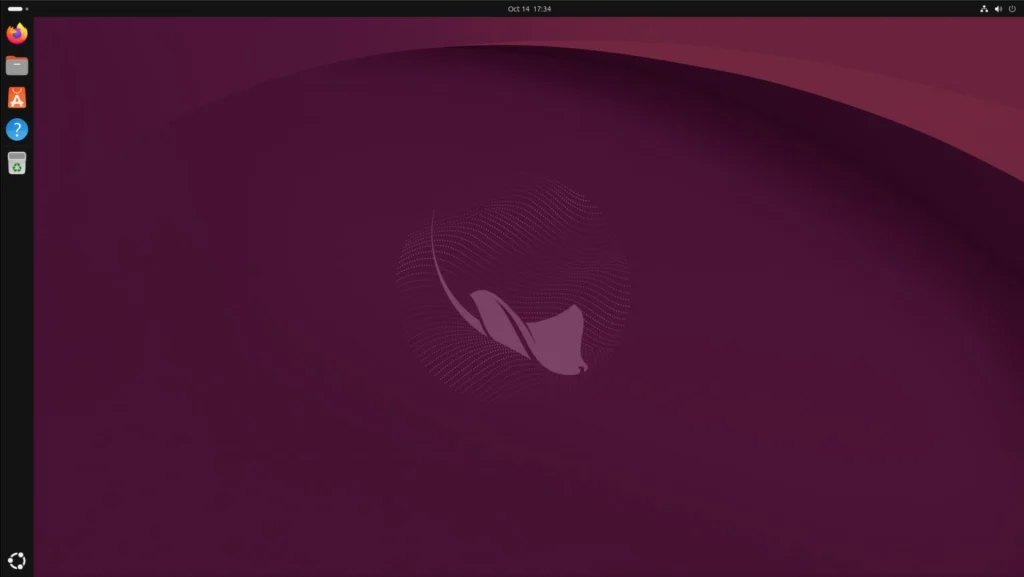
Canonical recently unveiled its latest interim distribution. As detailed in the official Ubuntu 26.10 release announcement, this non-LTS build offers nine months of active support through July 2027. Primarily tailored for desktop enthusiasts, these interim cycles deliver rapid access to cutting-edge features. Conversely, production enterprise servers remain best served by Long Term Support releases.
GNOME 51 Enhancements and Localized Voice AI
The distribution integrates the modern GNOME 51 desktop environment. Consequently, users benefit from noticeably faster interface responsiveness and refined accessibility options. Furthermore, developers updated the core file manager, calendar utility, and display configuration menus. Meanwhile, the centralized App Center displays Snap and Debian packages within a unified interface alongside an updated graphics driver manager. Dragging windows across the workspace now presents dynamic tiling layouts.
Private Audio Processing with Myna
Additionally, the system introduces Myna, an experimental voice-to-text assistant. This productivity tool transcribes spoken audio into text entirely on local hardware. Therefore, the application never transmits personal voice recordings to remote cloud infrastructure. However, because Myna remains an early experimental project, the installer leaves it disabled by default. Interested enthusiasts can easily enable the utility through system settings.
Rust Core Utilities and Quantum-Resistant Cryptography
Most notably, this release completes a major low-level architectural transition. Canonical transitioned its core command-line utilities to Rust-based uutils implementations. Consequently, modern memory-safe binaries now replace traditional GNU versions of cp, mv, and rm. In terms of cryptographic packaging, the distribution introduces Sequoia PGP and post-quantum digital signature support. Nevertheless, traditional gpg and gpgv binaries remain fully accessible within software archives.
Expanded Disk Encryption and Enterprise Identity
Furthermore, the release expands hardware compatibility for TPM-backed full disk encryption. Systems lacking a dedicated hardware root of trust can now utilize TPM encryption by configuring a PIN or password. For corporate environments, administrators can integrate Microsoft Entra ID authentication. As a result, enterprise workstations support modern multifactor verification alongside seamless passwordless login.
Support Our Threat Intelligence
Find our tech and OS security coverage helpful? Support our work today and unlock a 100% ad-free reading experience!
 Buy Me a Coffee
