 Do Son
Phishing attack chain exposed inside ANY.RUN sandbox in around 1 minute
Phishing no longer needs a fake login page to succeed. Today’s attacks increasingly abuse legitimate services, trusted authentication flows, and encrypted traffic to compromise users in ways that are much harder to detect early. For security leaders, this creates a major operational problem: by the time the SOC confirms the threat, the attacker may already have access to email, documents, and internal business systems.
Reducing phishing MTTR now depends on one thing above all: helping the SOC validate suspicious activity faster, with stronger evidence and less manual work.
Why SOC Teams Still Lose Time on Phishing Investigations
Even well-equipped SOC teams can lose valuable time on phishing investigations because modern attacks are designed to look legitimate and reveal very little at first glance.
- Suspicious links and pages often appear harmless at first
- Legitimate services and domains make malicious intent harder to confirm
- Encrypted HTTPS traffic hides key evidence during early triage
- Analysts often need multiple tools to reconstruct the full attack flow
- Related campaign infrastructure is not always identified early enough
Step 1: Reveal Hidden Phishing Activity in Encrypted Traffic
Modern phishing increasingly hides its most important activity inside encrypted HTTPS traffic, making early detection much harder for many security teams. While traditional security tools may flag a suspicious link or connection, they often cannot clearly expose the phishing logic, hidden requests, or attacker-controlled infrastructure operating behind the encrypted session.
That is why reducing phishing MTTR requires visibility beyond surface-level indicators. In ANY.RUN’s Interactive Sandbox, automatic SSL decryption helps uncover the contents of encrypted traffic during execution, allowing teams to investigate suspicious phishing activity faster and confirm malicious intent with stronger evidence.
Check the OAuth Device Code phishing analysis session
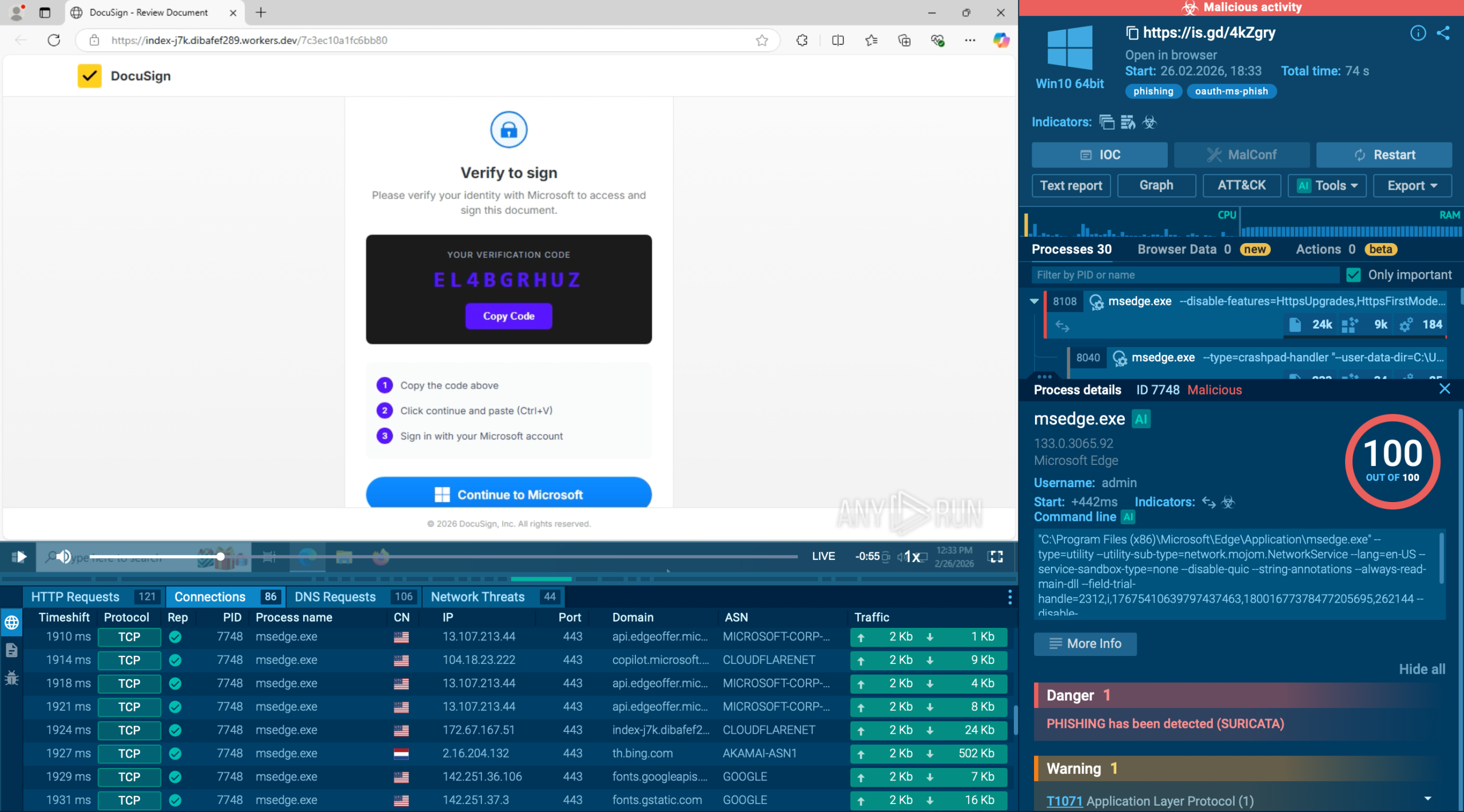
You can see how the attack guides the victim through a seemingly legitimate Microsoft device login flow. The phishing page displays a verification code and instructs the user to enter it on a real Microsoft sign-in page, but in reality, that action authorizes access for an attacker-controlled session.
Inside ANY.RUN, the full chain becomes visible, helping the SOC quickly understand that this is not a normal login, but a token-based phishing attack designed to bypass traditional credential theft detection.
|
Equip your SOC with behavior-based analysis to expose hidden phishing workflows and respond with confidence. |
Step 2: Combine Automated Analysis with Safe Interaction
Automation is essential for speed, but on its own, it can miss phishing attacks that only reveal their true behavior after user input. Many modern phishing pages depend on actions such as clicking buttons, following prompts, entering codes, or passing simple verification steps, which means fully passive analysis may not expose the real attack flow.
That is why it is important to use a sandbox that supports both automated analysis and safe interaction. In ANY.RUN’s Interactive Sandbox, teams can not only observe suspicious pages in a controlled environment but also interact with them to trigger the behavior that matters for the investigation.
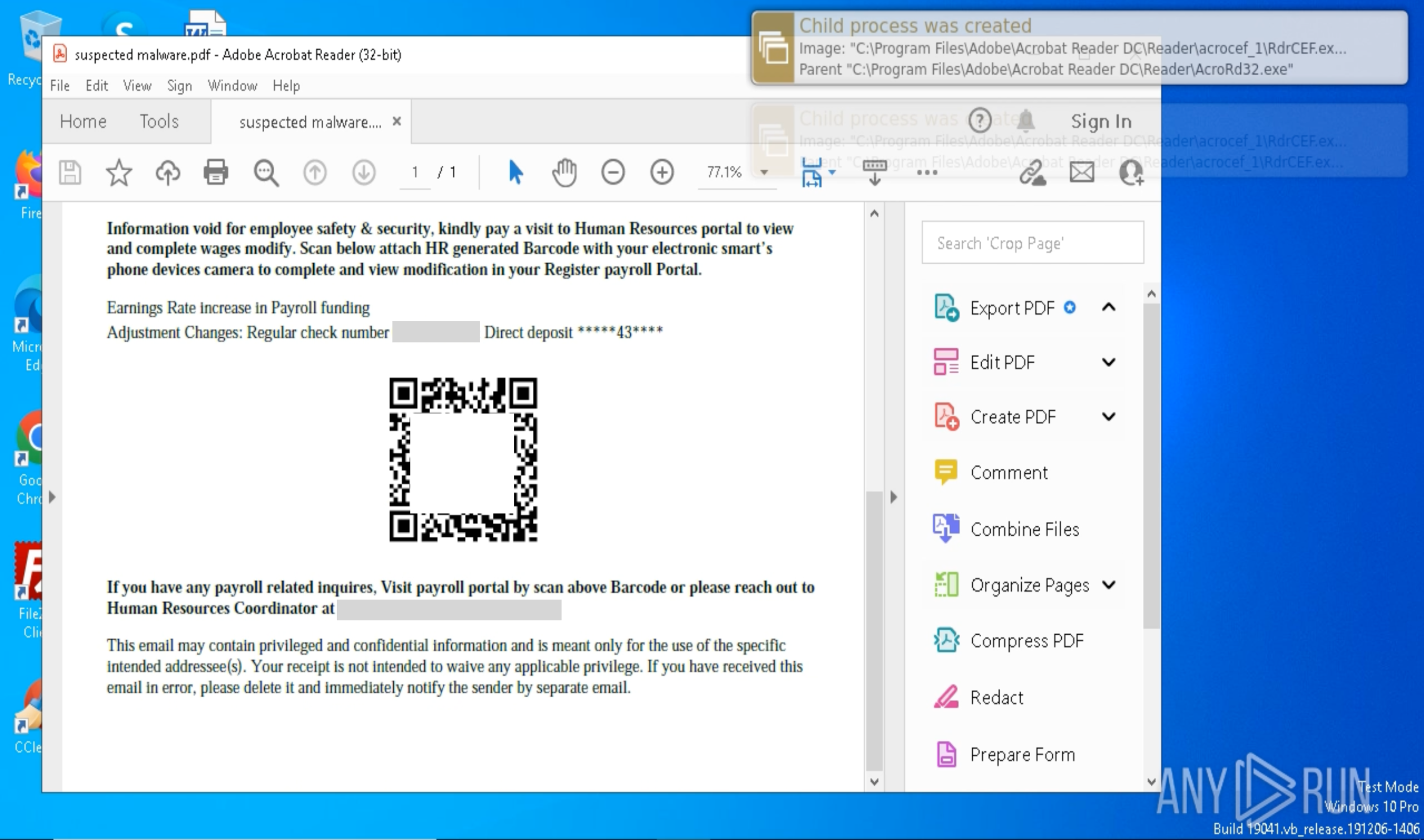
Moreover, ANY.RUN’s automated interactivity helps reduce manual effort by imitating analyst behavior during analysis. This allows the sandbox to handle actions such as clicking through pages, following the phishing flow, and even solving CAPTCHA challenges in supported scenarios, helping teams uncover malicious behavior faster without relying on fully manual investigation every time.
By combining automation with interaction, SOC teams can validate phishing attacks more quickly, reduce time spent reconstructing the attack chain, and shorten MTTR by reaching response-ready conclusions faster.
Step 3: Give the SOC Evidence It Can Act on Immediately
Faster phishing detection only reduces MTTR if the team can act on the findings without delay. In many cases, investigations slow down not because the threat is invisible, but because analysts still need to manually collect the key artifacts, organize what matters, and prepare the information for escalation or response.
That is why response-ready evidence is such an important part of the workflow. In ANY.RUN’s Interactive Sandbox, reports are generated automatically, helping teams avoid spending extra time pulling together the most important findings after the analysis is complete. The platform also gathers key artifacts in a structured way, including a separate IOCs tab, where analysts can quickly review the collected indicators without digging through the full session manually.
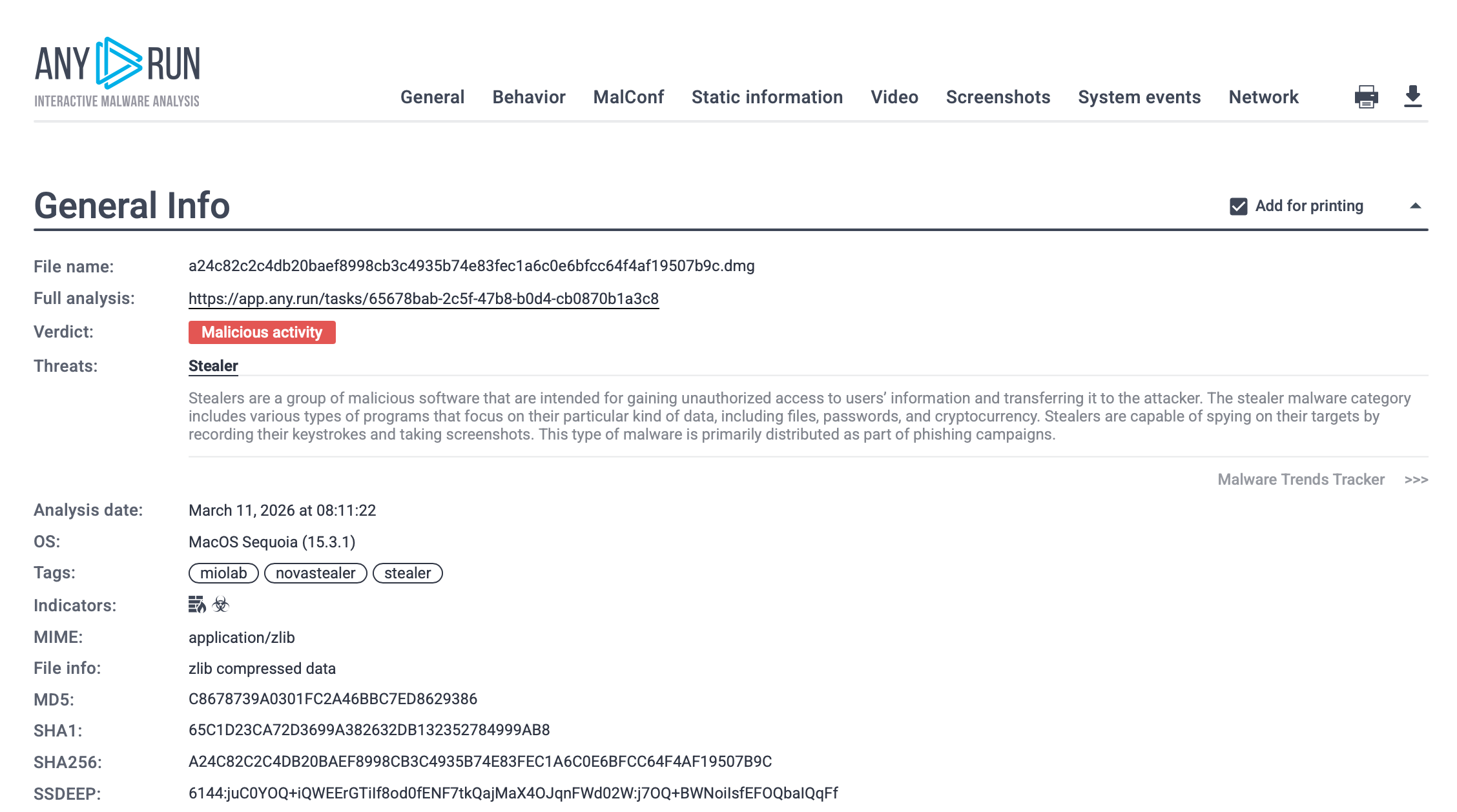
This makes it easier for the SOC to move from investigation to action. Instead of spending valuable time extracting domains, IPs, URLs, hashes, and other relevant evidence by hand, teams can use the automatically organized results to validate the threat, escalate faster, and support blocking, hunting, or incident response activities right away.
By reducing the manual work required after analysis, the sandbox helps shorten the path from alert to decision, which directly contributes to lower phishing MTTR and a faster, more efficient response process.
Proven Results in Real SOC Workflows
Teams that integrate ANY.RUN into their workflows report measurable operational gains, including an average 21-minute reduction in MTTR per case and up to a 3× improvement in overall SOC efficiency. These results reflect what matters most in phishing response: faster validation, less manual work, and quicker decisions under pressure.
By helping teams expose encrypted phishing activity, combine automation with safe interaction, and generate response-ready evidence automatically, the sandbox shortens the path from alert to action. That means less time spent reconstructing attacks and more time spent containing them.
Reduce phishing MTTR with deeper investigation visibility and faster, evidence-backed decisions.