 Do Son
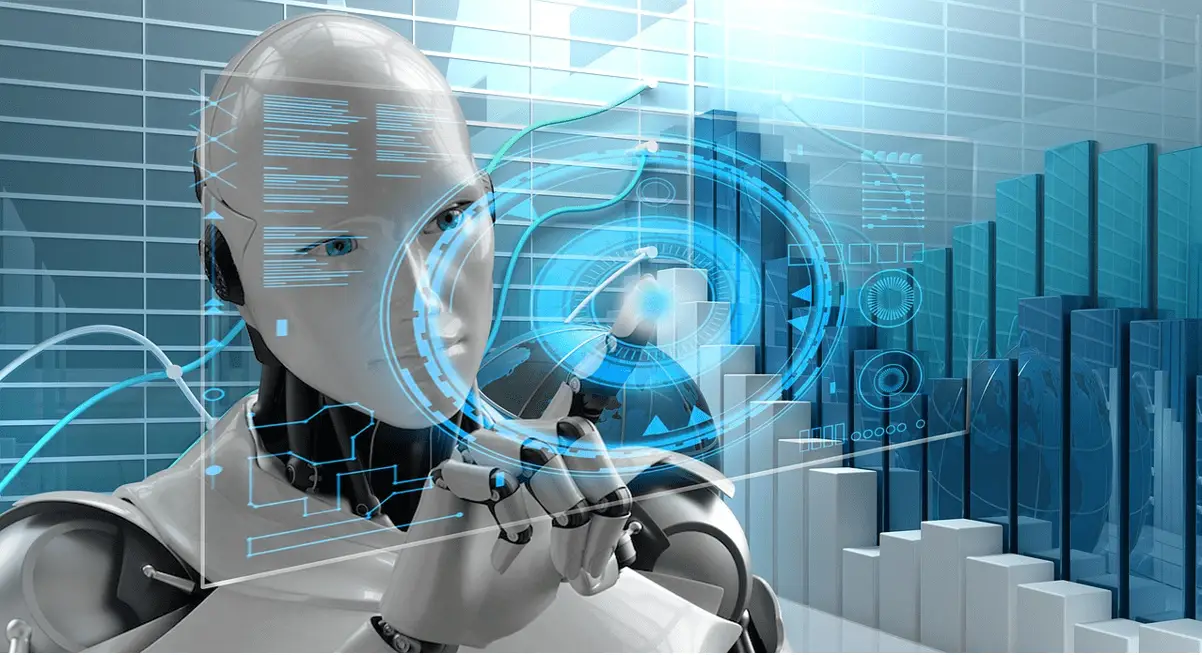
AI is a great technology that helps to make our life easier. Artificial intelligence is the ability of computers to think and learn new things. The term artificial intelligence was invented by John McCarthy in 1950. Thanks to AI, computers can get human characteristics: they can make decisions in various situations, get new knowledge and experience, and use it to solve problems.
Nowadays, computers help people to solve many tasks they couldn’t do earlier. They can help people in business, improve the process of studying in colleges. There are even AI writers that can create various stories and entire novels! But needless to say, students have to write their college essays traditionally without AI help. If they feel it is difficult to do it for some reason, there is a good chance to order a successful essay here: https://essaypro.com.
Of course, the advantages of AI are enormous. Let’s see the main undeniable pros of AI and its implementation in our life:
- Human error reduction. From time to time, humans make errors in their work. Apart from people, computers cannot make these mistakes (of course, if they’re programmed well). AI makes all the decisions based on previously gathered data. Thanks to the clear algorithm, the errors are reduced and we have a bigger chance to get accurate results compared with a human factor. For example, the majority of human error is reduced by AI in Weather Forecasting.
- Humans are free from risks. Just because AI takes these risks doing some dangerous things instead of people. Whether it’s exploring the deep ocean, defusing a bomb, or a trip to Mars, robots can fulfill these difficult and even dangerous things for people. This is a great feature to use in a disaster because robots cannot be damaged as badly as humans can.
- AI can work 24/7 without breaks. We know that people can work for about 6-8 hours a day with breaks. Humans need some time for recovering, and they also can get ill. Machines cannot be bored, tired, or depressed – they can work 24/7 without breaks for lunches and coffee. They don’t need to go on vacation or have sick leave.
- Fulfilling repetitive jobs. Sometimes people have to do some repetitive job (verifying texts for mistakes, sending mail, etc). With AI, this process can be fully automated without errors, and people don’t have to fulfill boring repetitive tasks all the time. For example, some banks use AI to verify documents for loans.
- Digital assistants. Many organizations use digital assistants as a way to interact with people and save people from fulfilling this job. Some websites also use a digital assistant to chat with people. These assistants are called chatbots. Sometimes it’s difficult to define if you’re talking with a real person or with a bot. Many customer support teams use chatbots to help customers in choosing services or answering standard questions.
- Fast decisions. Needless to say, AI can make various decisions faster than a human. When people make decisions, they base it on many factors, including emotional things and experience. But when it’s going about machines, they don’t have emotions and work following their programs. Of course, the result comes faster. A good example is a Chess game on Windows. AI of that game makes the best steps in the shortest time thanks to programming algorithms.
- Fast daily applications. Nowadays, tons of people use Siri, Cortana, OK Google to search a place on a map, take a picture, make a call to a friend, reply to a voicemail, etc. Just about 20 years ago we couldn’t even imagine these technologies. People had to ask others about the right address or they needed to find a phone in a nearby hotel to call home. Now you can travel without any paper maps in your pockets. A smartphone will show you the shortest way, count the distance, help to book a hotel, show the nearby cafe with prices, and do many things easily. It’s a great way how modern technology and AI has changed our life.
- Great inventions. Thanks to AI, many inventions appeared lately in various spheres. For example, thanks to the new AI-based technology in medicine, it’s possible for doctors to predict women’s breast cancer even at a very early stage. Apart from medicine, artificial intelligence is used in many spheres, including science, business, building, chemistry, and many others.
We live in a modern world of new technology where artificial intelligence changes our life significantly and even unexpectedly. It keeps improving and developing, so in a few years we will have a quite new level of life, many jobs fulfilled by humans will be replaced by smart machines, and a lot of new and amazing inventions are coming soon!