 Do Son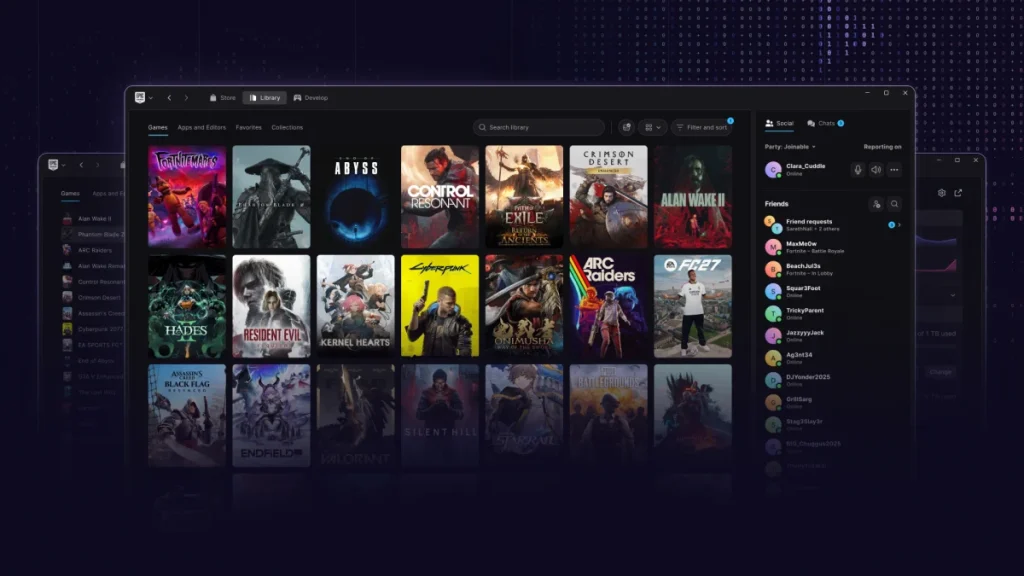
For years, global PC gamers criticized the Epic Games Store desktop launcher as bloated, sluggish, and resource-heavy. Even Epic Games CEO Tim Sweeney publicly admitted the client was clunky during a candid interview on the Lex Fridman Podcast. Recently, Epic Games finally unveiled a completely rebuilt, next-generation Epic Games Launcher. This overhaul drastically improves startup and response speeds while integrating local Steam libraries directly. Most notably, it introduces native support for the Linux operating system for the very first time.
However, this major software renovation quickly triggered a severe public relations crisis across the tech and gaming communities. Specifically, an official blog post flippantly boasted that the team built the client using Vibe Coding.
Major Feature Upgrades: Surpassing Steam and Embracing Linux
From a purely technical perspective, the updated Epic Games Launcher resolves long-standing frustrations that plagued the legacy version.
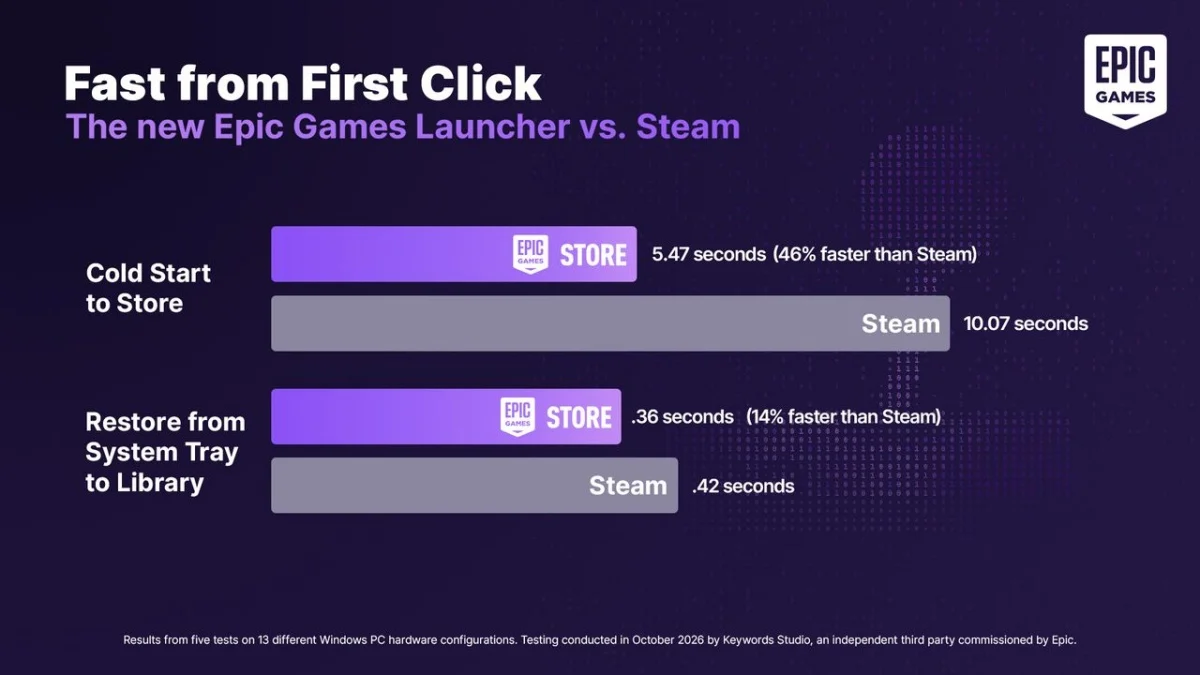
- Eliminating Sluggish Performance: The redesigned interface is remarkably lightweight and highly responsive. Furthermore, Epic Games officially claims the new client launches faster than Valve’s Steam.
- Cross-Platform Steam Library Integration: Adopting an aggregation concept similar to GOG Galaxy, the launcher now automatically detects installed Steam games. Consequently, players can access and launch their local Steam titles directly from the Epic interface with a single click.
- First Native Linux Support: Historically resistant to Linux and SteamOS, Tim Sweeney has finally reversed course. This release marks the first official native Linux client in Epic Games history. Therefore, it delivers a massive victory for Linux gamers seeking independence from Windows, as well as the handheld gaming community.
A Public Relations Disaster: Pouring Salt on Layoff Wounds
Since the product itself improved dramatically, why are media outlets and gaming communities expressing such intense outrage? Ultimately, the backlash stems entirely from the company’s tone-deaf marketing messaging.
At the beginning of the official announcement blog, Epic Games adopted a smug, dismissive tone. Specifically, they stated that coding is too difficult, so they simply stopped doing it. Instead, they claimed to have built the faster, sleeker Epic Games Launcher entirely through Vibe Coding.
This flippant remark sounded particularly grating due to recent executive statements. Just one day earlier, on October 13, Tim Sweeney proudly declared on X that Epic Games is undergoing a major AI pivot. He emphasized that the goal is not doing the same work with fewer people. Rather, he claimed AI would empower every employee to build bigger, better projects while benefiting all Unreal Engine teams.
A Timeline of Workforce Reductions
However, reviewing the recent history of workforce reductions at Epic Games makes these statements appear deeply ironic.
- First Wave of Mass Layoffs (Autumn 2023): To reverse financial losses, Epic Games executed a massive organizational restructuring. Specifically, they laid off over 800 employees, cutting roughly 16% of the workforce and shrinking the company to 4,000 staff members.
- Second Brutal Cut (March 2026): Merely seven months ago, Epic Games conducted another devastating round of layoffs. They terminated 1,000 employees at once, effectively slashing the remaining workforce by a staggering 25%.
- AI Pivot Announcement (October 13, 2026): CEO Tim Sweeney publicly announced a major AI transition, stressing that artificial intelligence would boost output from the remaining team.
- Vibe Coding Outrage (October 14, 2026): Official marketing promoted Vibe Coding as the core driver behind the new launcher. Consequently, this messaging erased the hard work of surviving engineers and fueled intense backlash over replacing human talent with AI.
Comparing the New Epic Games Launcher to Competitors
Comparing the revamped Epic Games Launcher against its legacy predecessor, Steam, and GOG Galaxy highlights its technical improvements. Simultaneously, it reveals the platform’s unresolved ecosystem challenges.
- Startup and UI Responsiveness: The legacy client was notoriously slow and built on an outdated architecture. Conversely, the 2026 update is ultra-fast and lightweight, allegedly outperforming Steam. Meanwhile, Steam recently completed its own UI overhaul, while GOG Galaxy remains focused on lightweight cross-platform management.
- Linux OS Support: Previously, Epic lacked official Linux support, forcing users to rely on third-party tools like the Heroic Launcher. Now, Epic provides a native Linux client, though Steam still dominates with its mature Proton and SteamOS ecosystem.
- Cross-Platform Library Integration: While the old launcher only displayed Epic store purchases, the new version detects and launches local Steam games. Similarly, Steam allows manual non-Steam game additions, and GOG supports multi-platform account syncing.
- Core Ecosystem Features: Historically, Epic relied on weekly free games to attract users while lacking community features. Unfortunately, the new client still lacks killer ecosystem tools like mod workshops, community markets, or deep review systems. In contrast, Steam retains immense user loyalty through Steam Workshop, achievements, and a comprehensive hardware ecosystem.
Support Our Threat Intelligence
Find our tech and OS security coverage helpful? Support our work today and unlock a 100% ad-free reading experience!
 Buy Me a Coffee
