 Do Son
 In 2019, Facebook was fined $5 billion for infringing on user privacy and data security. Big Web2 firms have a track record of compromising user privacy and identity. Every issue with user privacy and identity protection on the Web2 boils down to centralization. It is undeniable that the second iteration of the internet, Web 2.0, brought about social media sites, mobile apps, web apps, and much more. However, the lack of a system that allows users to reap the benefits of their data enabled the big web2 platforms to begin harvesting users’ data for marketing and other profit-making purposes.
Through blockchain technology and decentralized apps, Web3.0 aims to disrupt the current centralization structure through blockchain technology and decentralized apps and create a new system in which people can reclaim control of their digital identities and data. As the world moves from Web2 to Web3, developers will need tools to protect user privacy and identity, with new startups leveraging blockchain technology to strengthen user data and identity protection through decentralization. In this article, we’ll look at Web3 tools for developers who want to create decentralized identities while maintaining user privacy.
Verida
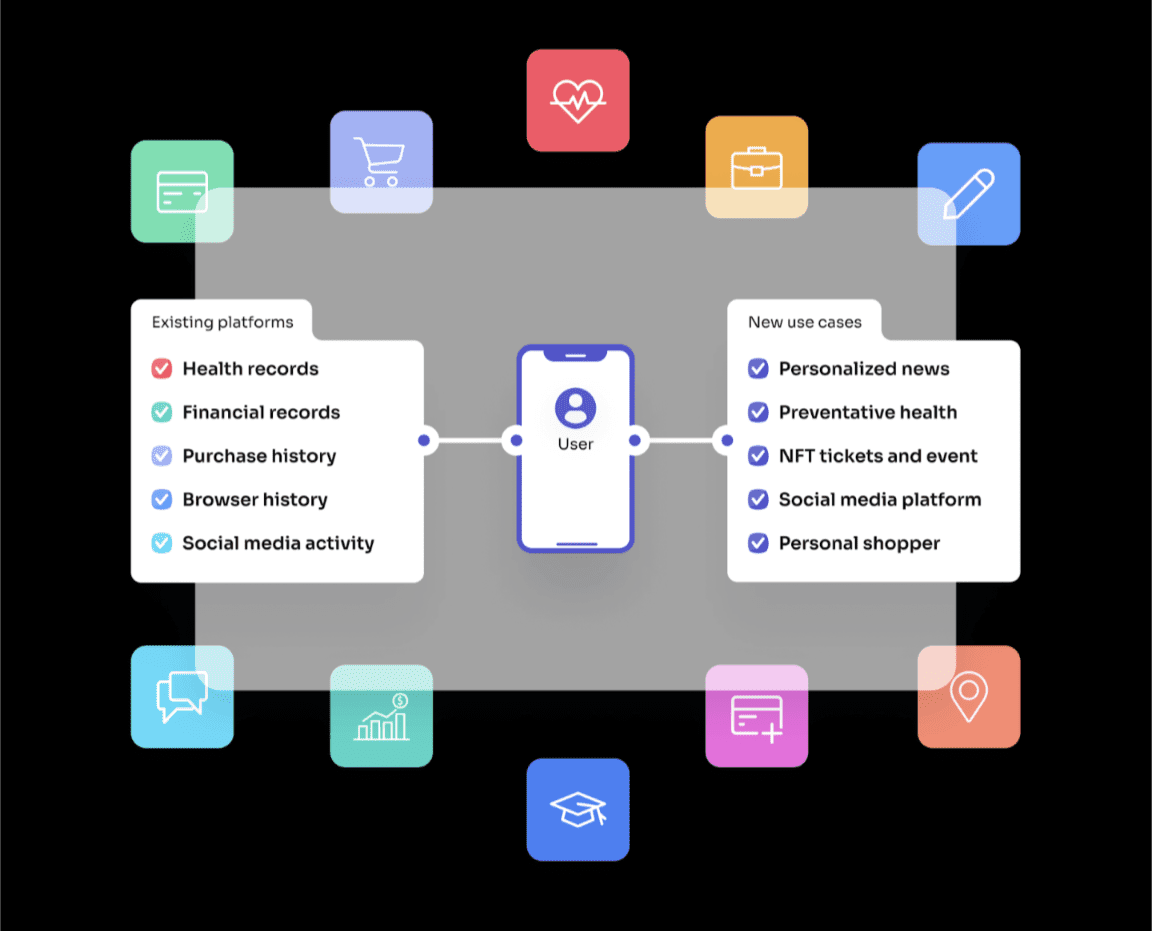
Verida is an innovative platform that lets users access their data through a single decentralized sign-in process. Users can also use Verida to unlock their data from Web 2.0 platforms. Users can connect their data from centralized and decentralized applications to the blockchain. Users will be able to own their data and earn rewards for sharing it due to the data connection. Developers can use the builders’ toolkit, which includes a connection SDK, a decentralized single sign on client and server SDK, and an easy-to-use interface for blockchain transactions.
Through the QR code query and Personal Data Oracle SDK, developers may additionally personalize toolkits to offer a unique experience for their users. Verida’s goal is to accelerate web3 adoption by developing a builder’s toolkit for web3 developers to easily create decentralized data and privacy projects.
Blockstack
Blockstack, often known as stacks, is a decentralized app and smart contract network built on Bitcoin. Blockstacks use Bitcoin because it is necessary for internet infrastructure. On the Bitcoin network, developers can use blockstacks to create and leverage open source protocols to create fully decentralized apps with decentralized user data and identities. Blockstacks developers also benefit from the security of bitcoin transactions and the speed and flexibility of stacks. Stacks aims to achieve its vision of building an open and scalable network for developers to create decentralized apps.
Sovrin

Sovrin aims to be one of the leading “next-generation” decentralized projects to protect user data and identity. The Sovrin network is a self-sovereign identity public network chain. Sovrin primarily runs three networks based on the “Hyperledger Indy.” Sovrin’s networks, including BuilderNet, StagingNet, and MainNet, can be used to create decentralized applications. For example, Web3 developers can use Sovrin’s BuilderNet for free, but StagingNet and MainNet are not. Sovrin is a codebase that aims to improve identity protection on Web3 and is governed by the Sovrin Governance Framework. Developers can make use of the SDKs provided by Sovrin to create custom experience for their own users.
Filecoin

Filecoin is a decentralized cloud storage and data retrieval network based on the blockchain, designed to encourage decentralized storage. Filecoin was created to aid developers in the creation of secure and simple web3 applications. By removing centralization, controlling data, and ensuring data integrity, Filecoin aims to transform the current state of the data storage industry. Filecoin was created by Protocol Labs and is based on the interplanetary file system. The filecoin network’s decentralized storage protocol has positioned users are the custodians of their data. Developers can utilized the network’s SDK to provide decentralized cloud storage to its users.
3Box

3Box aims to decentralize digital identity by leveraging Web3 concepts. Consensys, an Ethereum-focused venture capital firm based in Brooklyn, launched the company. In addition, 3Box provides a decentralized identity cloud storage layer that enables developers to save identity data outside of the big tech stacks. Developers interested in using 3Box should download the company’s JavaScript API library and integrate it into their app. The company, in particular, provides three API primitives: Profiles, Messaging, and Storage.
Conclusion
The emergence of the third iteration of the internet Web3.0 has opened the world to several possibilities, solving the currency Web2 issues regarding data and identity protection. Blockchain Startups such as Verida and Filecoin aims to make the transcension and onboarding of developers from Web2 to web3 as seamless as it can be, by providing them with the toolkits and resources needed to build innovative decentralized applications that protect the data and privacy of every user.