 Do Son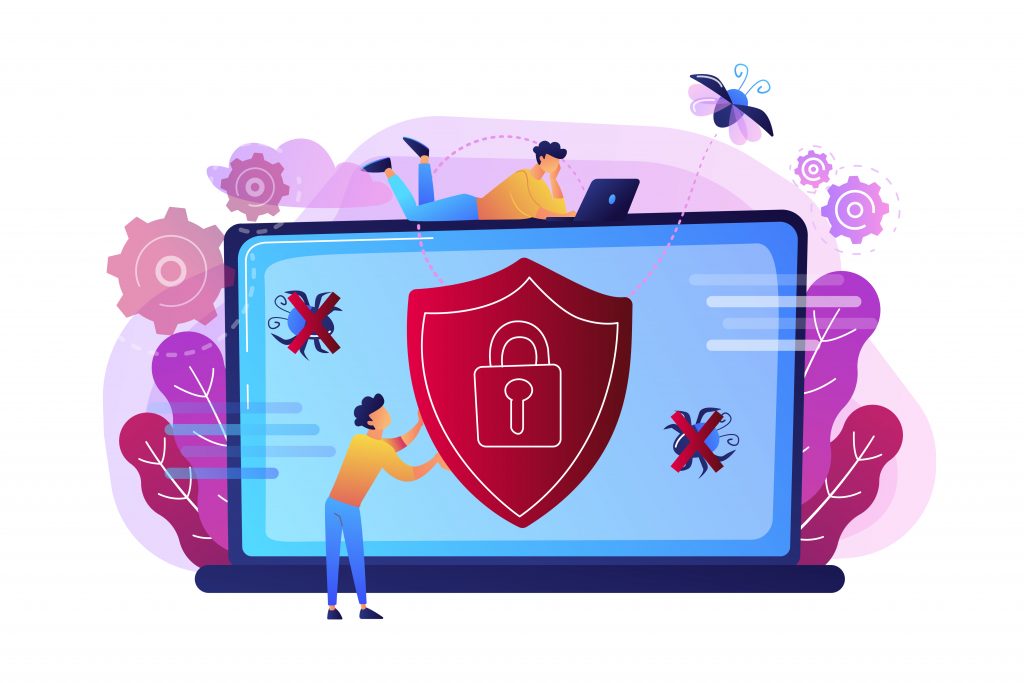
Design vector created by freepik - www.freepik.com
According to stats, roughly a third of all computers in the US are contaminated by malware. PC viruses can cause a lot of harm because they can help black hats steal your personal data like photos, notes, passwords, etc. Also, they can monitor your activity online, use the computing power of your desktop, or even shut your PC down. Since viruses distribute online by themselves, there are many threats that users face daily. Regrettably, there is no 100% reliable way to stay safe from viruses. However, by following the recommendations from the post below, you will minimize the chances of getting your PC infected by malware.
Install Antimalware Software
The first thing you have to do to keep your desktop safe from malware is to install an antivirus program. There are a lot of different tools available. You can easily find paid and free antimalware programs online. It’s vital to install antimalware software because most computers have basic functionality that prevents unauthorized access to crucial files. However, they cannot detect potential threats and erase them because viruses are simple commands that a PC must execute. Machines cannot analyze the purpose of commands, so they cannot distinguish bad commands that shouldn’t be executed.
An antivirus tool has an extensive database of most malware programs that can be found online. Therefore, it will easily detect harmful files on your computer. In case you download many files on your PC, it’s recommended to run virus scans regularly. Also, don’t hesitate to scan any files you get from unknown sources. If they contain any harmful code, antimalware software will detect it and isolate the file on a disk or delete it. Besides, some antivirus tools offer the ability to scan users’ browser activity, keeping them safe online. For example, if you’re a student who is looking for an answer to the question, “is paperduenow legit?” online, an antimalware tool will keep you secure from any sites containing viruses in live time.
Keep Software Up To Date
Unfortunately, viruses develop at a high pace. Consequently, it’s required to keep your software up to date. You have to update the malware databases of your antivirus software. Nevertheless, installing the latest software updates for your PC’s operating system is also important.
Many people avoid installing recent updates because they are not tested well. Consequently, their computers may work improperly. Note, that most viruses utilize loopholes to overcome the security layers and access sensitive data. Ethical hackers find loopholes and report companies to make particular software more secure. Then, developers fix all the issues and release updates. Therefore, it’s vital to always keep your software up to date to stay secure from viruses and possible cybersecurity threats that utilize discovered loopholes.
Consider Strong Authentication
Many viruses utilize passwords acquired from data breaches or use brute-force attacks to pick login details. Since a lot of people don’t mind strong authentication, viruses can quickly get access to computers. So in case you want to keep your data safe, you have to consider reliable authentication. For starters, it’s recommended to use complicated passwords that imply letters of different cases, numbers, and symbols. Also, you have to enable two-factor authentication, so scammers won’t be able to log into your social media and bank accounts, or getting access to your computer. Note, it’s vital to consider strong authentication even if you use your desktop to read the domyhomework123 reviews online. Besides, don’t forget to update your passwords constantly.
Become a Cautious User
Many trojans and other malware use social engineering to break security layers and get into users’ PCs. Usually, users download harmful software on their desktops and set all the required permissions, offering access to sensitive files. Therefore, you have to become a cautious user to keep your desktop secure from viruses.
All the files you download on your PC have to be scanned by an antimalware tool. It’s recommended to avoid getting files from unknown and untrusted sources. Note, never open spam emails and do not download attachments that you receive from strangers. Also, avoid insecure websites when browsing the Internet. For example, if you look for a customessaymeister.com review online, check if a green locker appears in a search bar. It means that the connection is encrypted.
Final Words
Nevertheless, even if you become a cautious user and scan all files on your PC, there is no guarantee that you will be 100% safe from viruses. Consequently, you must back up crucial files to lose your confidential data and sensitive data forever if your computer gets cracked. Ideally, you need to purchase an external hard drive that will be disconnected from any system. Consequently, viruses won’t be able to access data on a remote drive that is stored in your drawer. Otherwise, you can also set up a cloud drive account to backup all your files on a remote server, so you will be able to access them using a different device upon need.