Skip to content
September 11, 2026
  • Bluesky
  • Facebook
  • Linkedin
  • Mastodon
  • RSS
  • Twitter
  • Youtube

Daily CyberSecurity

Zero-hour alerts. Unmatched analysis.

Primary Menu
  • Home
  • CVE Data
    • CVE Watchtower
    • Top Exploited CVEs
    • CVE Stats by Vendor
    • Q2 2026 Report
    • CVE Alerts
    • CVE Alert Settings
    • Pricing
  • Cyber Criminals
  • Data Leak
  • Linux
  • Malware
  • Vulnerability
  • Submit Press Release
  • Weekly Recap
Light/Dark Button
  • Home
  • Technique
  • How to Sweep Your Property for Bugging Devices
  • Technique

How to Sweep Your Property for Bugging Devices

Do Son November 9, 2022 3 minutes read
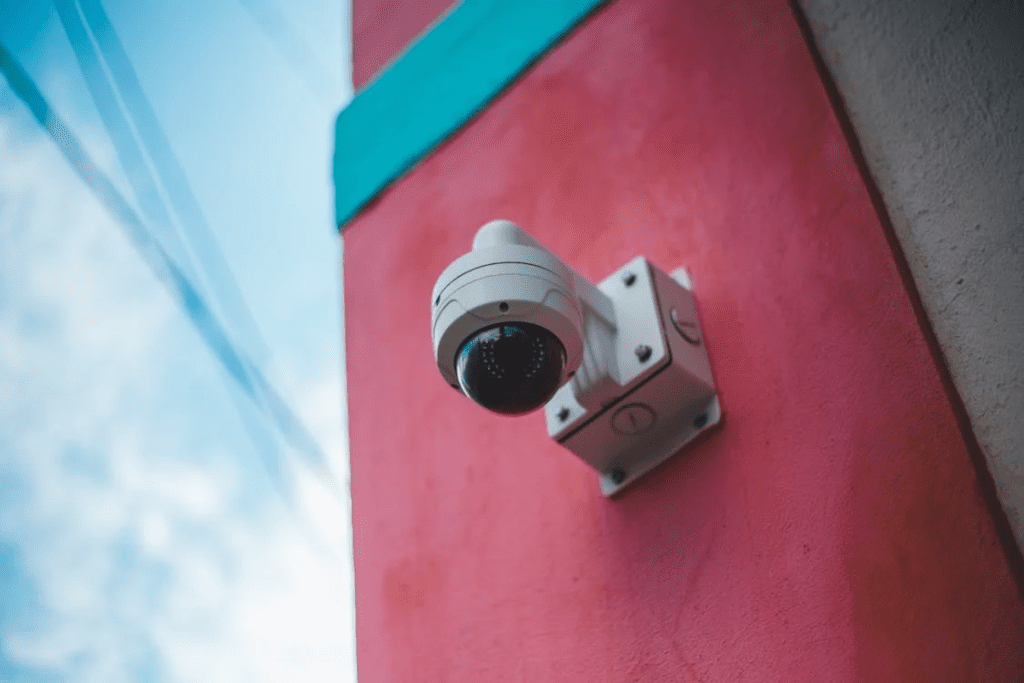
tech-camera

Pexels

Bugging devices are becoming smaller, more sophisticated, and more prevalent. They are installed by private investigators, jealous spouses, nosy neighbors, and criminals. Professionals will use powerful wireless activity monitors like WAM-X25 to find hidden cameras, listening devices, and GPS trackers. However, there are a few things that the average person can do to sweep their property for bugging devices.

Look for Signs of Entry

One of the first things you should do if you think your property is bugged is to check for signs of forced or illegal entry. This includes things like broken windows, damaged locks, misplace items, and new or out-of-place wiring. If you find any of these signs, it’s possible that a bugging device has been installed. Also, be on the lookout for any holes that have been drilled in walls, floors, or ceilings. These could be access points for bugging devices.

Inspect Electrical Outlets and Light Fixtures

Sweeping your property for bugging devices also involves inspecting electrical outlets and light fixtures. This is because many types of bugging devices need to be plugged into an outlet in order to work. So, if you see any cords that look out of place, or if an outlet seems to have been tampered with, there’s a good chance that a bug has been installed.

Use a Radio Frequency Detector

One of the best ways to sweep your property for bugging devices is to use a radio frequency detector. These devices are designed to pick up on radio frequencies that are emitted by bugging devices. They can be purchased online or at many electronics stores.

When using a radio frequency detector, start by scanning the rooms of your property that you use the most. This includes places like your bedroom, office, and living room. Move slowly and methodically around the room, paying close attention to the readings on the detector. If it starts beeping or flashing, there’s a good chance that a bugging device is nearby, so investigate the area thoroughly.

Search for Hidden Cameras

Hidden cameras can be used to spy on you without your knowledge. Since they are tiny, they can be placed almost anywhere, so it’s important to search for them carefully. Start by looking in places where a camera would have a clear view, like in front of doorways and windows. Then, check any items that might be able to conceal a camera, like clocks, smoke detectors, and books.

If you have any suspicions that a hidden camera might be present, it’s always best to err on the side of caution and assume that it is. This means not doing anything in front of the suspected camera that you wouldn’t want to be seen or heard by others.

Inspect Every Nook and Cranny

When sweeping your property for bugging devices, it’s essential to inspect every nook and cranny. This includes places like under furniture, insides of your drawers, and behind appliances. Basically, anywhere that a small device could be hidden should be checked.

You can always work with a professional if you’re unsure about sweeping your property for bugging devices. They have the experience and the equipment to find even the most well-hidden devices.

SHARE
Share on FacebookShare on XShare on LinkedInShare on TelegramShare on BlueskyShare on Mastodon

Search

Translation

CVE ALERTS
📧

Email Delivery
Get threat intel straight to your inbox.

♾️

Unlimited Vendors
Track every technology in your stack.

🚨

All New CVE Alerts
Be the first to know about new flaws.

⚙️

Custom EPSS Threshold
Filter noise, focus on real risks.

💬

Slack & Teams Webhook
Integrate directly into your SecOps.

🚫

100% Ad-Free
Enjoy an uninterrupted reading experience.

$7/mo
Subscribe Now

🚨 Active Exploits in the Wild

  • CVE-2026-42016CVSS 8.1
    JFrog Artifactory (Self Hosted) versions before 7.133.11 are vulnerable to a privilege escalation attack due to a validation...
    Admin intel📅 Updated: Sep 11, 2026
  • CVE-2026-42018CVSS 7.5
    JFrog Artifactory could return an internal anonymous-user token to an unauthenticated caller when anonymous access is disabled, potentially...
    Admin intel📅 Updated: Sep 11, 2026
  • CVE-2026-20079CVSS 10.0
    A vulnerability in the web interface of Cisco Secure Firewall Management Center (FMC) Software could allow an unauthenticated,...
    Admin intelCISA KEV📅 Added to KEV: Sep 9, 2026📅 Updated: Sep 9, 2026
  • CVE-2025-25249CVSS 8.1
    A heap-based buffer overflow vulnerability in Fortinet FortiOS 7.6.0 through 7.6.3, FortiOS 7.4.0 through 7.4.8, FortiOS 7.2.0 through...
    Admin intelCISA KEV📅 Added to KEV: Sep 9, 2026📅 Updated: Sep 9, 2026
  • CVE-2026-87491
    Out of bounds write in V8 in Google Chrome prior to 153.0.8010.36 allowed a remote attacker to execute...
    Admin intelCISA KEV📅 Added to KEV: Sep 9, 2026📅 Updated: Sep 9, 2026
  • CVE-2026-19490
    Vulnerability in NetScaler ADC and NetScaler Gateway. This issue affects ADC: from 14.1 through 73.32 and from 13.1...
    CISA KEV📅 Added to KEV: Sep 9, 2026
  • CVE-2026-75650CVSS 10.0
    Adobe Commerce is affected by an Improper Neutralization of Special Elements Used in a Template Engine vulnerability that...
    Admin intelCISA KEV📅 Added to KEV: Sep 8, 2026📅 Updated: Sep 8, 2026
  • CVE-2026-81963CVSS 7.8
    Improper link resolution before file access ('link following') in Windows Update Stack allows an authorized attacker to elevate...
    CISA KEV📅 Added to KEV: Sep 8, 2026
Powered by CVE Watchtower

🔴 Live Critical Threats

  • CVE-2026-8778CVSS 9.8
    The MIPL Grouped Checkout Fields for WooCommerce – Customize & Organize Checkout...
  • CVE-2026-82107CVSS 9.6
    IBM DataStage on Cloud Pak for Data 5.4.0.0 could allow a remote...
  • CVE-2026-82100CVSS 9.6
    IBM DataStage on Cloud Pak for Data 5.4.0.0 could allow a remote...
  • CVE-2026-81204CVSS 9.8
    IBM Langflow OSS 1.0.0 through 1.11.5 could allow a remote attacker to...
  • CVE-2026-80424CVSS 9.1
    IBM DataStage on Cloud Pak for Data 5.4.0.0 could allow a remote...
  • CVE-2026-79724CVSS 9.8
    IBM Langflow OSS 1.0.0 through 1.11.5 could allow a remote attacker to...
  • CVE-2026-78573CVSS 9.8
    IBM ContextForge MCP Gateway 1.0.0 through 1.0.7 could allow a remote attacker...
  • CVE-2026-45764CVSS 9.1
    Suricata is a network Intrusion Detection System, Intrusion Prevention System and Network...
  • CVE-2026-19646CVSS 9.1
    IBM Common Licensing Agent 9.0, Agent 9.0.0.1, Agent 9.0.0.2, ART 9.0, ART...
  • CVE-2026-89094CVSS 9.9
    Forgejo before 16.0.4 allows remote code execution via a crafted template repository...
Powered by CVE WATCHTOWER

Our Websites
  • Penetration Testing Tools
  • The Daily Information Technology
  • Top Exploited CVEs
  • Daily CyberSecurity

    • About SecurityOnline.info
    • Advertise with us
    • Announcement
    • Contact
    • Contributor Register
    • Login
    • Disclaimer
    • DCMA
    • Privacy Policy
    • About SecurityOnline.info
    • Advertise on SecurityOnline.info
    • Contact Us

    When you purchase through links on our site, we may earn an affiliate commission. Here’s how it works

    • CVE Watchtower
    • CVE Statistics by Vendor 2026
    • Q2 2026 Report
    • Top Exploited CVEs
    • Bluesky
    • Facebook
    • Linkedin
    • Mastodon
    • RSS
    • Twitter
    • Youtube
    © 2017 - 2026 Daily CyberSecurity. All Rights Reserved.