 Do Son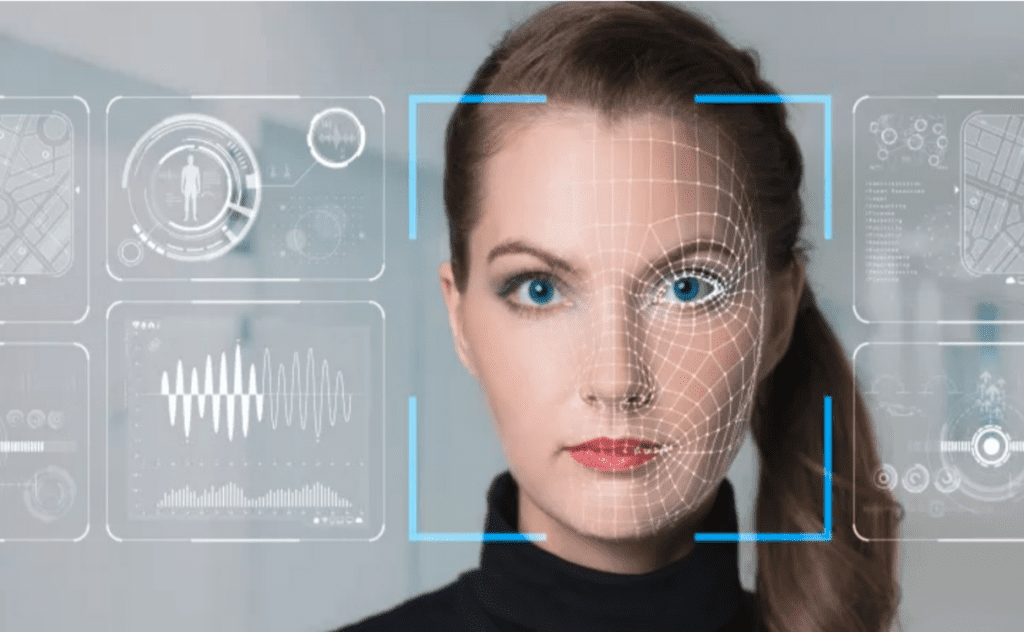
In May 2019 a barrister representing the UK’s Information Commissioner expressed concern about the police’s use of facial recognition cameras. The barrister, Elizabeth Denham, told a UK court that the guidelines around the controversial pilot schemes where members of the public are scanned in public and their image matched against a police database, that the
guidelines were ad-hoc. Denham called for formal regulation in order to ensure members of the public are treated fairly by police using the new tech.
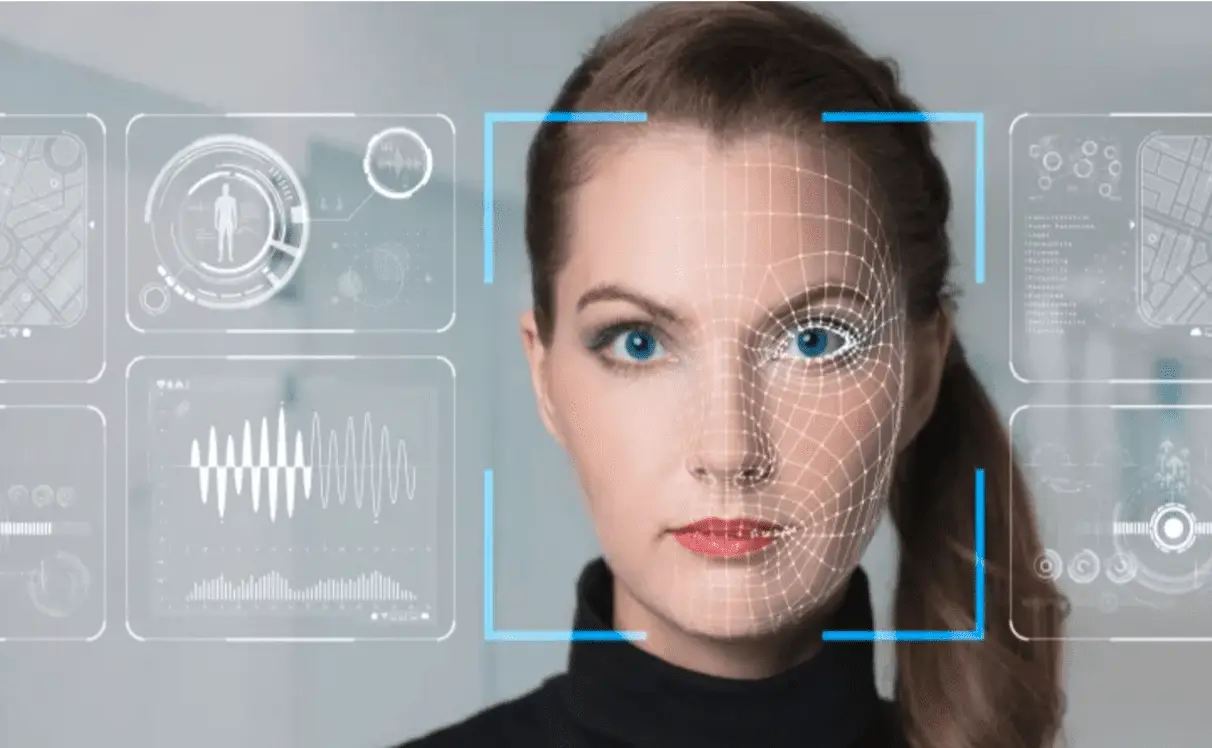
The Met Police, one of the forces trailing the cameras, refers simultaneously to the Human Rights Act 1998, the Freedom of Information Act 2000, the Protection of Freedoms Act 2012, and the Data Protection Act 2018 in attempting to justify its use of the controversial ‘safety’ and ‘crime prevention’ measures.
Their defense of the trial was put to the test in the same month Denham called for regulation when a man was filmed refusing to show his face to a police camera in London. The unnamed man pulled his shirt over the lower half of his face and was apprehended by a police officer shortly after, who issued him with a £90 fine for a public order offense.
The man filmed in London isn’t the only one to object. Ed Bridges from Wales has launched a judicial review against South Wales Police after he was captured twice. His case has been crowdfunded. Hannah Couchman of civil rights group Liberty told HuffPost UK that “The case will focus on the breach, or the potential breach, of the equality duty that the police are
under as a public body, which feeds into a wider concern as an organization that this technology is discriminatory.”
“It’s evident from the academic study that this kind of technology will misidentify BAME people and women far more than it will white men. “That means that there are sections of the community most likely to be subject of a false stop, the police stop them, but actually, they’re not the person being searched for.”
Steve Roberts is a security and surveillance consultant. His company manufacturers’; spy cameras for legitimate security use, so he knows as well as anyone about the legal implications of surveillance. He offers this advice to anyone concerned about facial recognition cameras. There are two key things to remember when considering whether surveillance actions are legal or illegal; firstly do you have a reasonable expectation of privacy? And secondly, do you give your consent? The latter typically supersedes the former. For example, if you consent to go into a football ground where police are filming the crowd, you can no longer have a reasonable expectation of privacy.” But that doesn’t mean you have to consent to your image being stored or your face being scanned.
So, what are my rights?
Because this particular use of facial recognition technology is relatively new, lots of people are unsure of where they stand legally. So here are some answers to the most common questions.
Can I cover my face?
Yes. It’s not illegal to cover your face in the vast majority of situations. You are entitled, in theory, to wear a face covering for any reason you please, such as for religious dress or because it’s cold. Even if you cover your face with the obvious intention of avoiding detection by a facial recognition camera (this is not the same as covering your face with the obvious intention of evading identification by police) you remain within the law. However, this behavior, as demonstrated by the man in London who was issued with a £90 fine, may arouse the interest of police officers nearby. But that doesn’t mean you can’t do it and if you wish not to be captured by facial recognition technology, you are within your rights to conceal your face.
Scenarios were covering your face may be a problem are limited to interactions where people need to confirm your identity, for example when visiting the bank and in some scenarios, the police may have a reasonable reason to establish your identity. But there is no law against covering your face.
The police can, under Section 60AA of the Public Order Act, request you to remove any face coverings for the purposes of identifying you or for the purposes of crime prevention. For example, if you were to walk into a bank wearing a balaclava and an officer asked you to remove it, he or she may have reasonable grounds to detain you if you refuse.
Section 60AA can be invoked on an individual basis (for example, the police officer wishes to establish your identity) or it can be applied to a particular area (for example, the site of a protest or march). Under Section 60AA, police can insist that you remove any face coverings and are even within their rights to confiscate any items that you are using to conceal your
identity.
Can I challenge a police officer who asks me to show my face?
Yes, you are within your rights to ask on what grounds he or she wishes to establish your identity. For example, if you are inside an area where Section 60AA enforcement is in place, they may be able to explain to you why. The man fined in London could have reasonably asked this question, as there was no Section 60AA enforcement in place at the time and location of his detention.
Do I have to stay with the police while they establish my identity?
No. The police do not have the power to detain you informally. Although they may ask you to stay with them, they cannot force you and you are free to be on your way at any time. Of course, that all changes if the police elect to place you under arrest.
Do I have to provide my name and address?
No. Even if you are arrested you are not obliged to provide your name and address. You have the right to remain silent. However, you may wish to give your name and address in order to quickly establish your innocence if suspected of a crime. Failure to give your name and address is not a crime, but it may be considered grounds for investigation. The police
can stop and search you in order to establish your identity, for example by examining your wallet for identification.
Do I have to answer any questions?
Again no. You always have the right to remain silent, even if detained by police. But, as you’re probably aware, it may harm your defense if you do refuse to answer questions. Refusing to speak to police may also give them grounds for suspicion and this may lead to arrest.
Can the police arrest me for refusing to comply with the use of facial recognition technology?
They can’t arrest you solely for this. There is no law stating that you have to submit to the use of facial recognition cameras. The man in London issued with a fixed penalty fine of £90 was accused of a public order offense, namely for swearing at the officer who asked him why he’d covered his face.
Do I have to accept an ‘on the spot’ fine?
No. You don’t need to accept the fine, but the police can arrest you if you do refuse.