 Ddos
Ddos 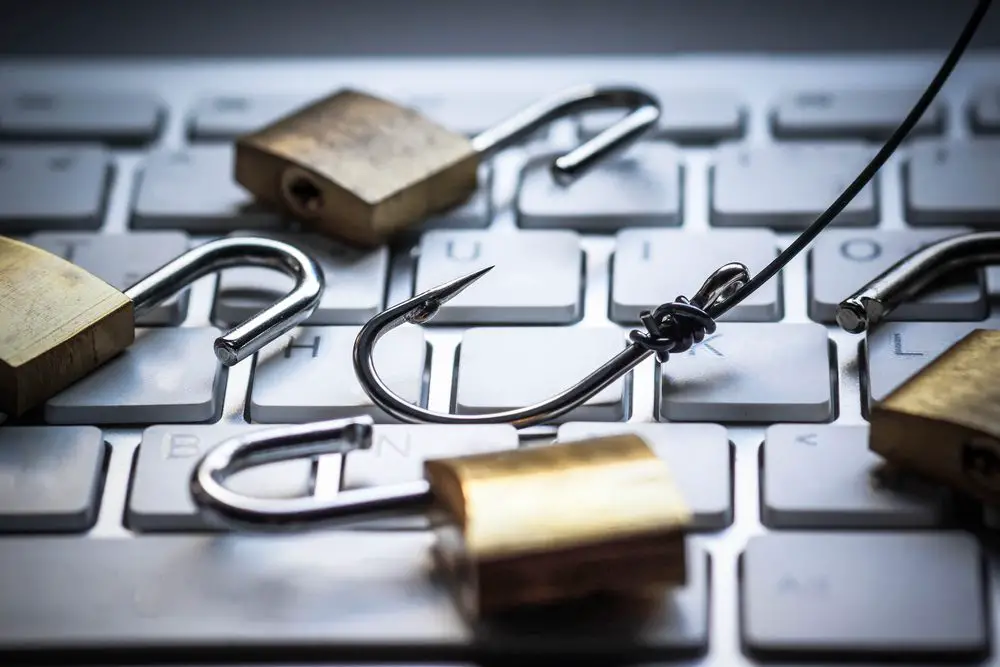
An email is a communication tool that most people use daily, and due to this, we must know how to secure our mailboxes properly. Cybersecurity threats are always present, and unscrupulous individuals are always looking for creative ways to victimize people.
In this article, we talk about what email spoofing is and the steps that we can take to protect our mailbox today.
What is Email Spoofing
Email spoofing is the general term to describe emails with malicious intent that has been made to appear as if they’ve originated from someplace else. The goal of email spoofing is to get the receiver to be able to act on the email and trust the source because it looks legitimate.
Some of these emails can be flagged as spam by your mailbox host and some you’ll notice to be scams from the way they solicit you for money. However, there are more dangerous and sophisticated scams on the market that aim to fish for your information.
A popular ecommerce website that you’re subscribed to could ask you to input your credentials on a link to their website. However, this could have originated from a scammer who has designed a header in an email to impersonate the shopping website, and the link could be a landing page that they made to make everything look genuine.
It gets even worse in the business world because even executives are now being targeted through phishing scams in an attempt to gain entry into business systems and finances.
The people behind these attacks can steal your credentials, your money, control over your system, blackmail, and engage in identity theft. Some links aren’t even designed to capture your credit details, but instead, they’ll install malicious software into your system.
This is why it’s essential to keep your system safe, whether it’s through securing Office 365 or using multiple email security features.
The good news is that there are plenty of ways for you not to be a victim of email spoofing and it starts with a little vigilance.
Start with Your Filters
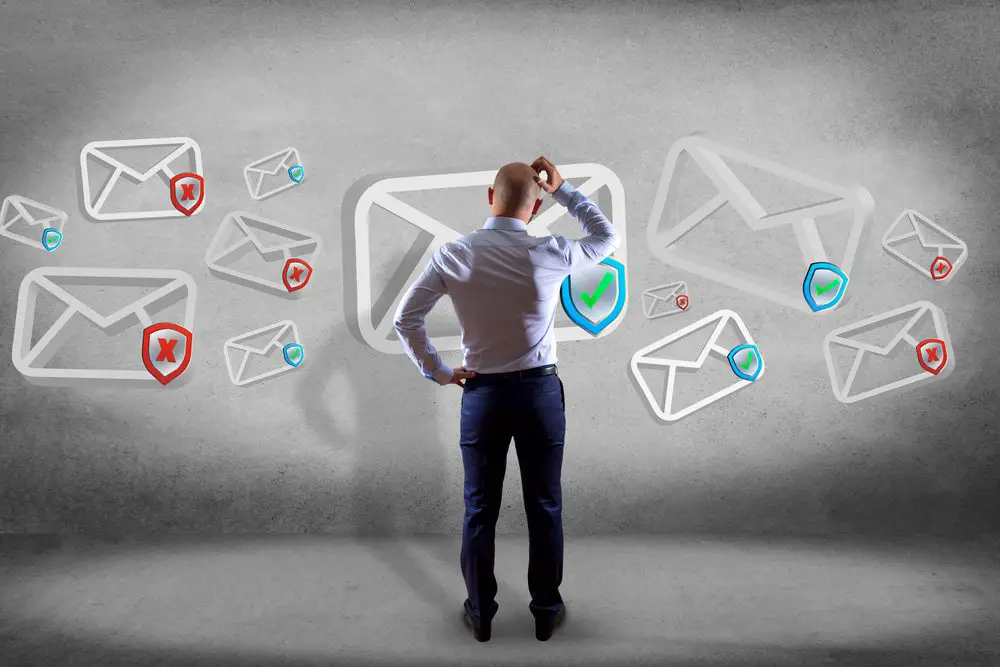
Your first line of defense against emails of this sort is adjusting your spam settings too high. Most email providers have a built-in spam filter
which can remove most of the threats in your inbox. It also helps with you being able to focus on real emails from real people as it also blocks out a lot of promotional material.
Add a Sender Policy Framework (SPF) Record
An SPF record allows the servers of your mail recipients to know that the email that your server is sending to them is not spam. Your recipient’s server will cross check if the message that’s originating from your server matches the one at your domain. You do this if you’re using your domain to send emails.
Make Sure You Utilize DKIM
DomainKeys Identified Mail (DKIM) is a standard of encrypting a signature on the header of a message. When a server receives the message, it allows it to check if someone has messed with the email in transit. This is another standard that you can combine, allowing with your SPF to minimize spoofing risks.
Check the Sender Information Carefully
If the email claims to be an official source but has an email address that you can get for free from Google, then it’s probably not official. You have to learn to be able to check the headers of your email. You can extract the IP address of a sender through the header and do a reverse IP lookup to verify who sent it to you in the first place.
Don’t Share
Make sure that you avoid sending any personal information through email, whether it be financial transactions or private matters. Additionally, don’t give out your email address to people or organizations that you barely know.
Don’t Let Curiosity Get the Best of You
Avoid clicking links that you’re not familiar with or that may seem suspicious. Make sure that you don’t download attachments from people you don’t know. When you do decide to download attachments, make sure that you scan it for malware first.
Don’t ever take your cybersecurity needs for granted. We live in an ever-connected world that’s benefiting from technology, but we also have to learn to keep ourselves safe. Being careful will always be our first line of defense against cybercriminals who want to take advantage of us.