 Do Son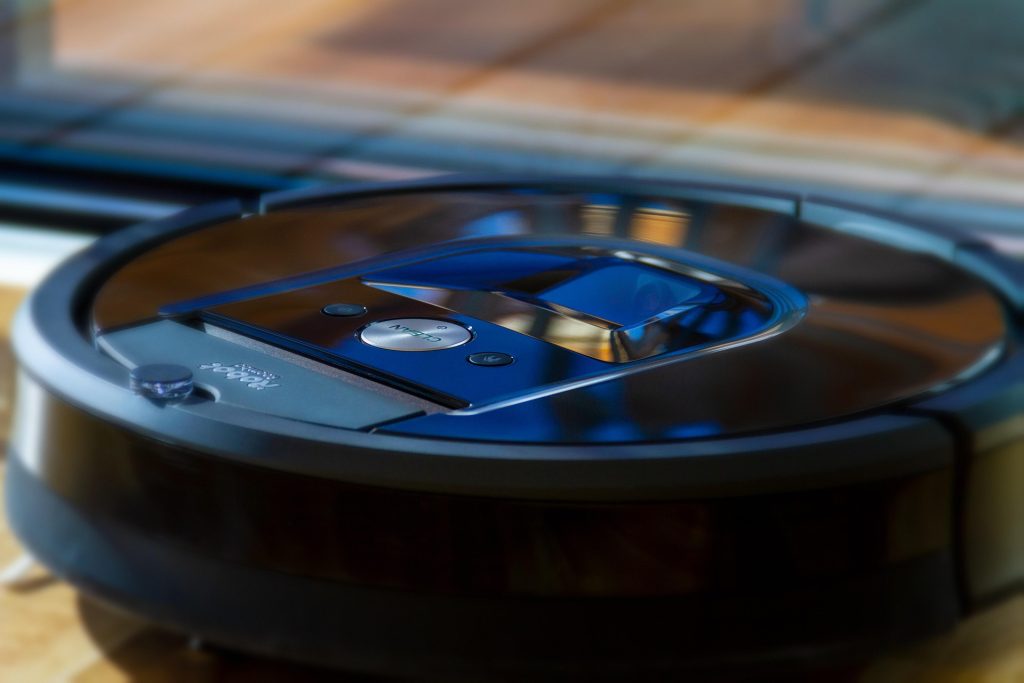
According to a recent report by The Verge, the US robot ban sweeps up Chinese vacuums. The Federal Communications Commission (FCC) recently promulgated prohibitions targeting foreign-manufactured robots and power inverters. Notably, these restrictions extend far beyond sophisticated humanoid or quadrupedal designs. Everyday household robot vacuums now fall under this regulatory umbrella, officially prohibiting their importation and sale within the United States.
Broad Definitions Ensnare Smart Home Staples
The FCC employs a remarkably expansive definition for “advanced robotic devices.” Any autonomous robot operating via software control, capable of environmental perception, weighing over 4.4 pounds (approximately 2 kilograms) including its charging base, navigating terrestrially, and possessing wireless connectivity falls under this strict purview.
Katie Gorscak, the FCC Media Relations Director, confirmed to The Verge that standard robot vacuums undeniably meet this criteria. Consequently, any foreign-manufactured robot vacuum requiring novel FCC certification will henceforth be denied entry into the American market.
Simultaneously, the ban on “foreign-made power inverters” suffers from similar definitional ambiguity. Under the current framework, any foreign-produced portable battery featuring alternating current (AC) outlets and a dedicated application such as a portable power station could theoretically face prohibition. This threatens to severely disrupt established power accessory brands like Anker.
Grandfather Clauses and Future Industry Woes
Crucially, the enforcement strategy mirrors previous restrictions imposed on wireless routers: it exclusively targets new hardware. Consumers currently utilizing robot vacuums from brands like Roomba, Roborock, or Ecovacs can continue operating them without interruption. Furthermore, models already circulating within the US market or possessing prior sales authorization remain eligible for importation and retail.
Nevertheless, this prohibition portends devastating long-term consequences for the global supply chain. The robot vacuum market relies overwhelmingly on Chinese manufacturing. Industry leaders such as Dreame and Roborock are indigenous Chinese brands. Even US-based iRobot, the parent company of Roomba, relies heavily on overseas contract manufacturing. If rigorously enforced, manufacturers must either petition for exemptions or reshore production to the United States a formidable challenge for appliance companies deeply entrenched in international supply networks.
National Security Imperative or Trade Protectionism?
The FCC invokes “national security” as the primary justification for this ban. Admittedly, modern, high-end robot vacuums integrate powerful LIDAR and sophisticated cameras to autonomously map domestic layouts and navigate effectively. If compromised by malicious actors, these devices present a tangible risk of severe privacy violations.
However, critics raise valid concerns regarding the policy’s underlying logic. If the FCC does not perceive the millions of older robot vacuums currently operating within American homes as a significant threat, how does exclusively banning future models substantially enhance national security? This approach undeniably inflates compliance costs and operational complexities for foreign manufacturers. Consequently, many analysts view this policy as heavily saturated with trade protectionism, predicting it will further exacerbate technological tensions between the United States and China.
Support Our Threat Intelligence
Find our tech and OS security coverage helpful? Support our work today and unlock a 100% ad-free reading experience!
 Buy Me a Coffee
