 Do Son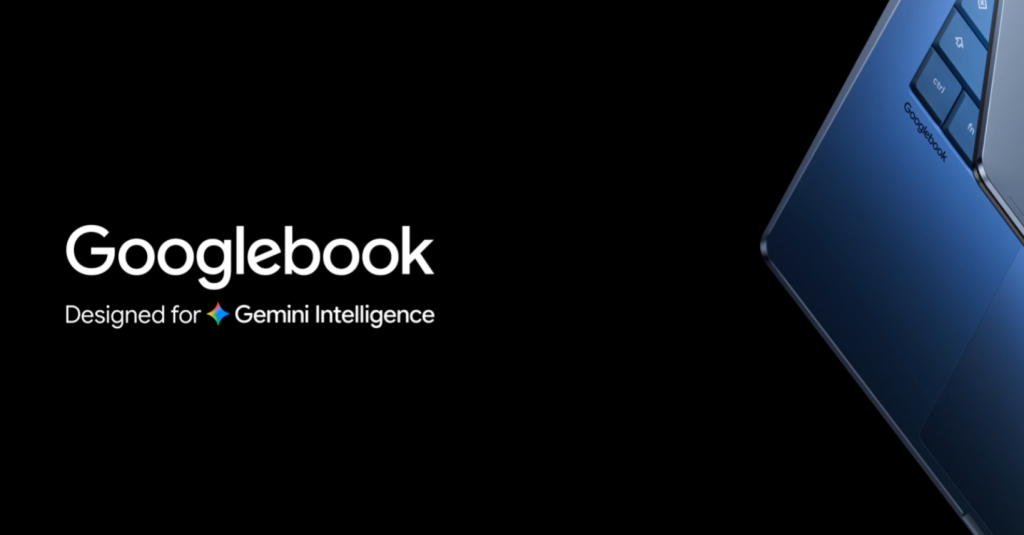
As the highly anticipated “Googlebooks” laptop product line prepares for its official market debut on October 4th, Google has definitively clarified the retirement timeline for its venerable legacy operating system. According to a recently published Google Workspace support document regarding ChromeOS lifecycle policies tailored for enterprise and educational administrators, the tech giant will sustain security patches and systemic updates for ChromeOS until mid-2034. Subsequently, the corporation will execute a comprehensive paradigm shift toward the “Googlebook OS.” This next-generation platform is architecturally founded upon the Android kernel.
Honoring the 10-Year Guarantee and Upgrade Pathways
Historically, Google committed to an unprecedented 10-year Auto Update Expiration (AUE) lifespan for all modern Chromebook models. Confronted by this impending 2034 systemic deadline, Google has articulated a strategic transitional framework:
- Legacy Hardware Migration Eligibility: For recently procured devices whose guaranteed 10-year support lifecycle formally extends beyond the 2034 threshold, Google solemnly pledges to furnish a direct upgrade pathway to the new Googlebook OS. Official communications explicitly indicate that a “substantial portion” of currently retailed Chromebooks will satisfy the rigorous eligibility criteria for this transition. A comprehensive, exhaustive hardware compatibility roster, alongside meticulous upgrade procedures, will be incrementally publicized in the forthcoming months.
- Enterprise and Educational Deployment Timelines: To assuage the profound anxieties of educational institutions and massive enterprises heavily reliant upon ChromeOS for expansive device management, all existing administrative privileges and associated services will remain fully operational throughout the transitional epoch. However, the deployment of the sophisticated “Googlebook OS Device Management Console,” specifically engineered for the new architecture, is not anticipated until the latter half of 2027.
Nevertheless, a poignant question remains regarding whether legacy Chromebook hardware, even post-upgrade, possesses the requisite computational capability to effectively seamlessly execute advanced Gemini Intelligence features. It is also unclear if they can successfully interface with the innovative “Magic Pointer” functionality. Therefore, these premium, demanding capabilities may ultimately remain exclusive to specifically engineered, subsequent generations of Googlebook hardware.
Architectural Unification and Impending Institutional Friction
Google’s momentous decision to permanently terminate ChromeOS and install Googlebook OS as its absolute successor symbolizes a resolute determination to finally reconcile a chronic historical dilemma. In other words, this dilemma is the fragmented application ecosystems and destructive internal cannibalization persisting between their Android tablet and ChromeOS laptop product lines.
Rebuilding the laptop operating system directly upon the robust Android foundation is a masterstroke. Not only does this architectural unification instantly grant laptops seamless, native compatibility with millions of established Android applications, but crucially, it provides the optimal environment to unleash the full, unbridled computational power of Google’s flagship “Gemini AI.” Additionally, it will help realize a truly cohesive cross-device ecosystem. However, this monumental transition unequivocally represents a seismic upheaval for existing educational and enterprise procurement infrastructures.
While the 2034 deadline initially appears temporally distant, educational institutions typically orchestrate their hardware procurement strategies utilizing rigid five to seven-year life cycles. Consequently, beginning immediately, IT administrators procuring contemporary Chromebooks must exhibit extreme vigilance. They must check whether a specific model definitively possesses the crucial “Googlebook OS Upgrade Eligibility” certification. Moreover, budget-oriented, entry-level devices boasting inferior hardware specifications incapable of supporting the new, demanding operating system will tragically face premature obsolescence within the ensuing years.
Furthermore, the delayed 2027 introduction of the revised enterprise management utilities guarantees that schools and corporations will inevitably endure a painful, multi-year transitional period. This will be characterized by the simultaneous, complex administration of two entirely disparate operating systems.
Support Our Threat Intelligence
Find our tech and OS security coverage helpful? Support our work today and unlock a 100% ad-free reading experience!
 Buy Me a Coffee
