The Digital Sovereign: Google Wallet Pioneers Cryptographic Identity and Streamlined Commerce in Europe
 Do Son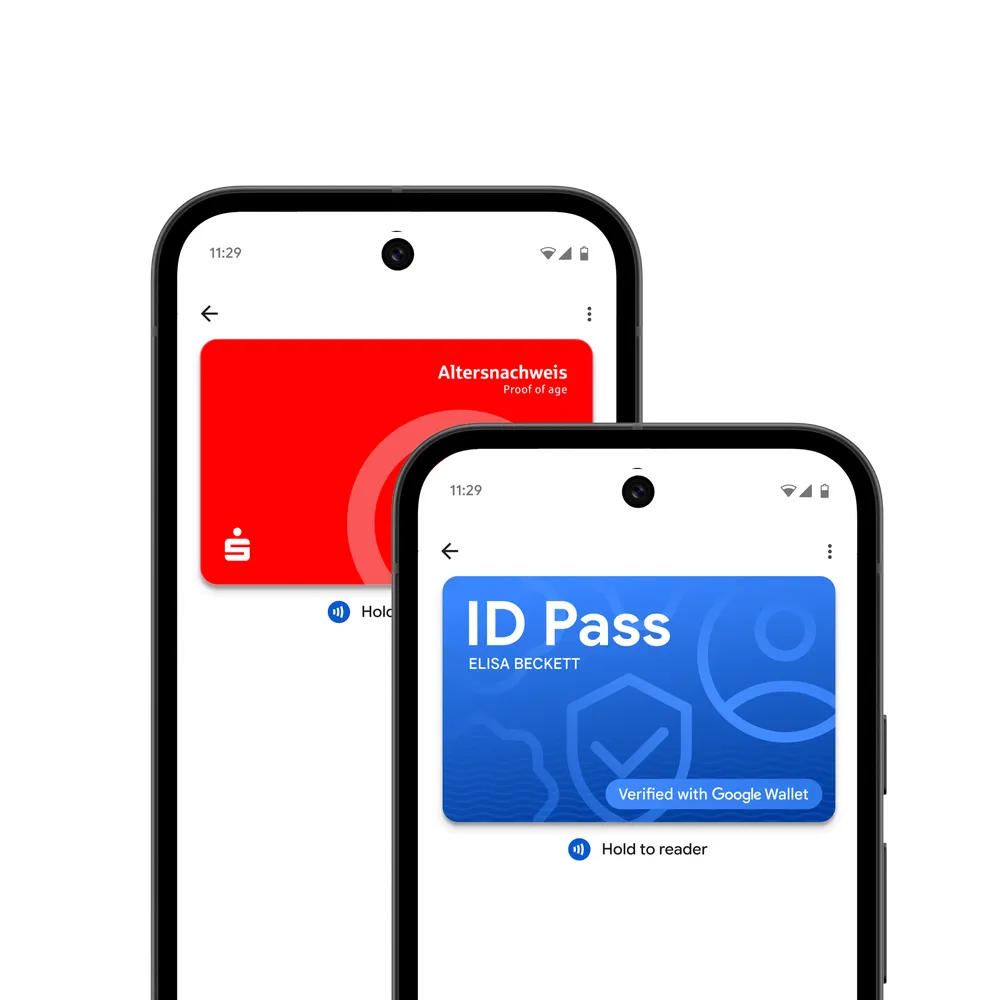
With the continuous proliferation of digital lifestyle frameworks, Google announced a significant expansion of its mobile ecosystem. Consequently, the enterprise will introduce native Digital ID support within selected European Union territories starting this summer. Furthermore, the technology giant partnered with the European financial institution Sparkasse to unveil a privacy-centric age verification protocol. This collaborative effort directly addresses increasingly stringent global cybersecurity and data protection mandates.
The Mobilization of Digital Credentials
Google has withheld the definitive roster of initial European nations slated for this rollout. However, official dispatches indicate that the ingestion workflow will mirror existing passport integration pathways in the United Kingdom and United States.
Cryptographic Identity Verification
To preserve absolute systemic security and prevent fraudulent replication, users must navigate a rigorous onboarding sequence. Specifically, applicants must record a transient video selfie and scan their government-issued physical credentials using a smartphone. Subsequently, Google Wallet executes a secure background cross-check to validate identity authenticity. Once verified, the application securely instantiates the digital credential within the local storage matrix.
Enforcing Anonymity via Zero-Knowledge Architecture
Beyond simple credential digitization, this architectural upgrade introduces a profound paradigm shift in age verification mechanics. Since early 2025, Google has continuously fortified its foundational security systems. This initiative directly aligns with compliance demands from the United Kingdom’s Online Safety Act and parallel international statutes.
The Sparkasse Implementation
Notably, Google integrated Zero-Knowledge Proof (ZKP) technology into its mobile wallet infrastructure in April 2025. This cryptographic framework enables the system to validate demographic thresholds without disclosing granular underlying telemetry.
The current synthesis with Sparkasse serves as the premier real-world implementation of this privacy architecture. Moving forward, banking clients can instantly verify their legal maturity when purchasing age-restricted commodities. Crucially, consumers accomplish this without exposing sensitive variables like names, domiciles, or exact birth dates to vendors.
Optimizing the Transaction Lifecycle
Concurrently, Google is aggressively refining its Google Pay online checkout architecture within the European Union. This modification aims to deliver a seamless user experience that rivals contemporary premium payment ecosystems.
Eradicating Checkout Friction
Whenever an online vendor implements native Google Pay integration, consumers can execute transactions directly using pre-staged payment instruments. Consequently, this architecture entirely eliminates disruptive page redirections and repetitive data input loops.
Furthermore, Google deployed an updated Secure Payment Authentication mechanism across the European marketplace. Henceforth, European consumers navigating e-commerce platforms can authorize transactions exclusively via on-device biometric vectors, such as fingerprint or facial recognition. This advancement completely eradicates the operational friction of waiting for SMS-delivered One-Time Passwords (OTPs). Similarly, it bypasses the need for secondary authentication portals hosted by card-issuing banks.
Resolving the Compliance Dilemma
This strategic European deployment underscores a critical turning point for mobile wallet ecosystems. Specifically, these utilities are transitioning from simple transaction mechanisms into comprehensive, secure containers for human identity.
Faced with the rigid parameters of the General Data Protection Regulation (GDPR), technology firms routinely confront a severe paradox. Nominally, validating compliance demands data ingestion, yet data ingestion inherently threatens individual privacy. Google solves this friction elegantly through the deployment of Zero-Knowledge cryptography. Therefore, users successfully prove eligibility while leaving zero superfluous digital footprints behind.
Additionally, by replacing legacy OTP validation loops with localized biometrics, Google systematically eliminates abandonment triggers within the purchasing cycle. This tactical friction reduction will substantially accelerate Google Pay adoption rates across European e-commerce networks. Ultimately, the framework positions the enterprise to achieve seamless operational parity with Apple Pay.
Support Our Threat Intelligence
Find our tech and OS security coverage helpful? Support our work today and unlock a 100% ad-free reading experience!
 Buy Me a Coffee
