Vibe Coding Evolution: OpenAI Unveils Generative “Desktop Pets” to Monitor Your AI Agents
 Do Son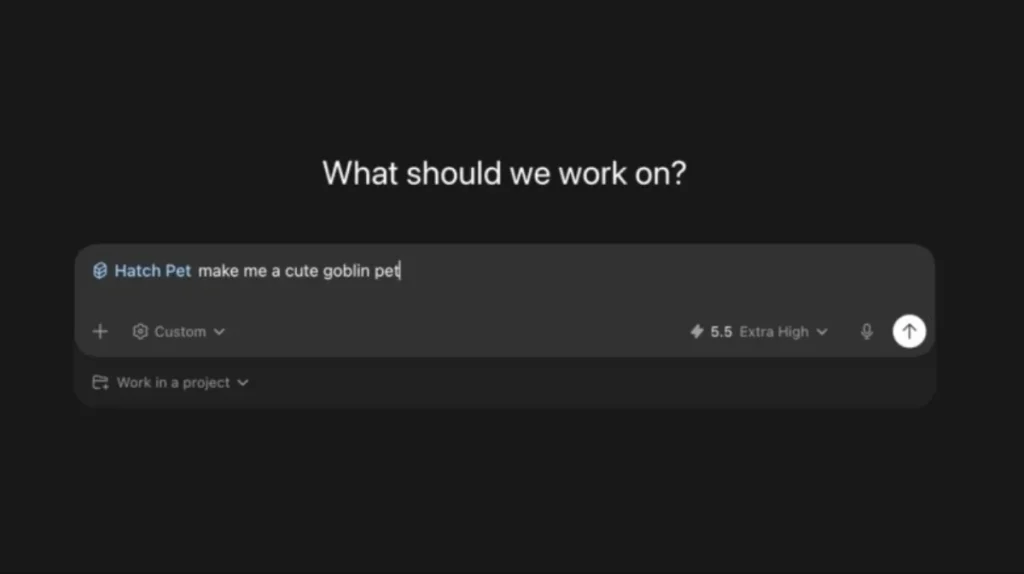
As the endeavor of software development becomes increasingly intertwined with artificial intelligence, the phenomenon of “Vibe coding” is undergoing a fascinating evolution. OpenAI has recently unveiled a whimsical yet utilitarian enhancement for its agentic programming assistant, Codex: AI-generated pets. While these ethereal desktop companions do not contribute a single line of syntax themselves, they offer an ingenious solution to the perennial challenge of monitoring an AI’s background progress during intensive multitasking.
Officially characterized as “optional animated companions,” these virtual entities function as a non-intrusive floating overlay. When a developer delegates arduous coding or debugging maneuvers to the Codex agentic system for background execution, these companions serve as sentient status indicators, notifying the user of:
- The specific nature of the current task under Codex’s stewardship.
- The successful culmination of a background operation.
- Any logistical bottlenecks where Codex requires manual intervention or further directives.
This floating architecture empowers developers to remain immersed in their primary applications without the friction of constant window-switching, ensuring they remain apprised of their AI assistant’s operational state at a glance.
Regarding customization and control, OpenAI has bestowed a remarkable degree of sovereignty upon the user. Developers may summon or dismiss these companions with a simple “/pet” command within the Codex environment. While the system provides eight archetypal companions by default, the true brilliance lies in the generative integration: through the “/hatch” command, users can utilize natural language prompts to spontaneously “incubate” unique entities—such as a whimsical goblin.
This functionality has ignited a surge of creative fervor among early adopters; the community is already burgeoning with custom skins, including a nostalgic (and perhaps ironic) homage to the iconic Microsoft Clippy.
Currently, the pet functionality has been synchronized across both Windows and macOS iterations of Codex. To further galvanize community artistry, OpenAI has inaugurated a limited-time engagement, pledging to select the ten most lauded user-generated designs and reward their creators with a thirty-day ChatGPT Pro subscription.
Support Our Threat Intelligence
Find our tech and OS security coverage helpful? Support our work today and unlock a 100% ad-free reading experience!
 Buy Me a Coffee
