The Lobster Craze: How OpenClaw is Triggering a High-Stakes AI Agent Arms Race in China
 Do Son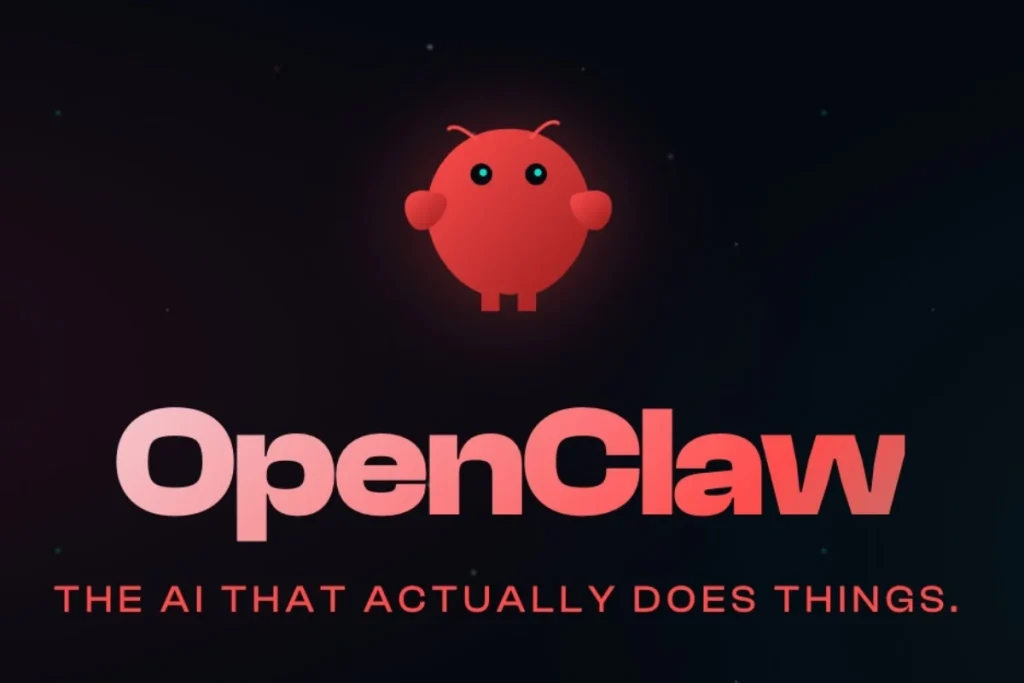
OpenClaw has proclaimed a foundational infrastructural alliance with ByteDance, inaugurating a bespoke localized software emporium—the “Mirror Site”—alongside dedicated technical sustenance for the Chinese market. As the cultural phenomenon colloquially dubbed “Raise a lobster” by the Chinese digital populace ignites a wildfire of enthusiasm, industry titans are racing to integrate this architecture. Tencent has precipitously woven it into the WeChat ecosystem, while smartphone luminaries such as Xiaomi and OPPO have descended into the “husbandry” arena, endeavoring to enshrine these autonomous agents directly within the foundational strata of their operating systems.
Beneath the fervor of this craze lies a seismic shift in the global AI landscape: Peter Steinberger, the visionary architect of OpenClaw, was formally recruited by Sam Altman to join OpenAI earlier this year. What profound signals does this transmit regarding the future orchestration of the AI agent industry? OpenClaw—originally christened Clawdbot and affectionately nicknamed “Lobster” due to its crustacean insignia—has swept the globe within a mere fiscal quarter, propelled by its triad of cardinal virtues: perpetual 24-hour operation, transcendent autonomy, and its distinctive “spiritual” memory archives, known as soul.md.
As the primordial OpenClaw necessitated a formidable barrier to local deployment, Chinese technological hegemons have inaugurated an “arms race” to achieve “frictionless husbandry,” democratizing access for the masses:
- Tencent’s WeChat Social Interception: Tencent moved with alacrity to unveil “QClaw,” a deeply integrated WeChat iteration of the ClawBot. It boasts a deployment window of a mere three minutes and features a library of over 5,000 pre-configured competencies, empowering a user’s “digital seneschal” to autonomously respond to missives, orchestrate culinary reservations, or curate professional discourse groups directly via WeChat.
- The Incursion of Xiaomi and OPPO: Acute hardware manufacturers like Xiaomi and OPPO have now set their sights upon this “husbandry” tide. By weaving OpenClaw-esque agent architectures into the core of HyperOS and ColorOS, the smartphone transcends its role as a mere “hardware vessel” to become the “physical sanctuary” for a personalized AI proxy. This evolution enables a user’s “Lobster” to directly invoke the camera, calendar, and localized archives, achieving a pinnacle of personalized automation while preserving the sanctity of privacy.
While various giants are preoccupied with product proliferation, ByteDance has elected a trajectory of greater strategic elevation—provisioning the foundational infrastructure for OpenClaw and establishing the official Chinese software guild. This maneuver is underpinned by two core imperatives:
- Rectifying Compliance and Security Frailties: Due to its expansive administrative privileges, OpenClaw previously incited security admonitions from financial institutions within China. By furnishing localized servers and infrastructure, ByteDance not only mitigates latency but provides supplementary compliance fortifications for the auditing of “external plugins” and the fulfillment of data localization mandates.
- Commanding the “App Store of the AI Epoch”: The paramount strength of OpenClaw resides in its colossal repository of third-party “Skills.” By patronizing this official marketplace, ByteDance effectively commands the strategic “chokepoint” through which Chinese developers disseminate and procure AI agent extensions. In the future, this allows ByteDance to promote its proprietary Volcano Engine computational power while ensuring its “Doubao” large models naturally ascend as the default “cerebrum” for these localized agents.
If the “Lobster Husbandry” conflict in the Chinese market represents a jubilee of application, then Peter Steinberger’s transition to OpenAI in mid-February constitutes a staggering blow to the global AI infrastructure.
- Transfiguring Commercial Paradigms via OAuth Subscriptions: Previously, utilizing APIs to fuel high-frequency AI agents incurred exorbitant token expenditures—colloquially lamented as “the prohibitive cost of lobster feed.” Following Steinberger’s arrival, OpenAI explicitly supported driving OpenClaw via the “subscription-based OAuth” of ChatGPT Plus and Pro. This strategy effectively decimated competitors reliant upon metered billing, such as Anthropic, rendering OpenAI the “singularly cost-effective intellect” for the global OpenClaw collective.
- Elevating OpenClaw to the Pantheon of Multi-Agent Systems: Sam Altman’s personal recruitment of Steinberger, coupled with his support for transitioning OpenClaw into an independent foundation, appears altruistic; in reality, it is a calculated gambit to ensure OpenAI’s models interface seamlessly with the world’s largest open-source agent ecosystem, which currently boasts 180,000 GitHub stars. Under the OpenAI mantle, Steinberger shall focus upon dissolving technical barriers and fortifying the security of sensitive operations, ensuring OpenAI wields absolute sovereign authority over the standards of the future “Personal AI Agent” theater.
Support Our Threat Intelligence
Find our tech and OS security coverage helpful? Support our work today and unlock a 100% ad-free reading experience!
 Buy Me a Coffee
