 Do Son
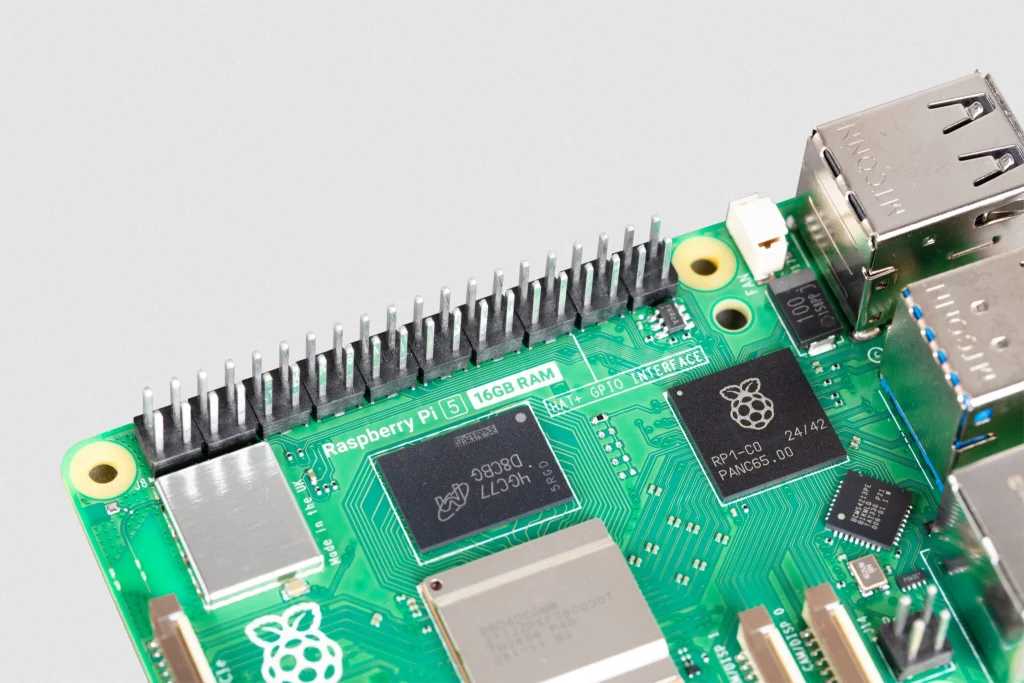
Single-board computer manufacturer Raspberry Pi announced immediate cost adjustments for high-capacity hardware. Specifically, the official Raspberry Pi 16GB price experienced an eighty-dollar surge. The flagship Raspberry Pi 5 16GB tier jumped from 305 dollars to 385 dollars. Consequently, this change represents a steep 26.2 percent increase for makers and engineers.
Escalating Costs Across High-Memory Form Factors
In addition, industrial computing modules experienced comparable financial revisions. The Raspberry Pi Compute Module 5 with 16GB memory increased by forty dollars. However, the manufacturer maintained the existing price tag on the keyboard-integrated Raspberry Pi 500+ workstation.
This latest adjustment marks an extraordinary departure from the initial retail launch. When the developer first debuted the 16GB model in December 2025, retail availability began at 120 dollars. Since that initial release, multiple compounding increases added 265 dollars to the total price tag. Therefore, the flagship single-board computer has experienced a cumulative 220 percent escalation.
DRAM Chip Constraints and Component Scarcity
Global supply chain friction remains the primary catalyst behind these pricing pressures. As detailed in the official Raspberry Pi statement on 16GB price adjustments, DRAM semiconductor procurement expenses rose dramatically over the past two years.
Raspberry Pi chief executive Eben Upton noted that engineers constantly evaluate alternative components to expand supplier channels. Nevertheless, secondary inventories for 16GB DRAM remain severely depleted worldwide. Furthermore, persistent shortages of accompanying integrated circuits exacerbate these manufacturing bottlenecks.
Strategic Recommendations for Makers and Developers
To mitigate rising expenses, the foundation advises creators to audit project requirements carefully. For instance, developers can choose smaller memory tiers or utilize legacy boards for lightweight automation tasks. Additionally, software optimization can reduce active memory footprints without demanding expensive hardware upgrades. Ultimately, careful planning allows makers to build reliable embedded systems within budget constraints.
Support Our Threat Intelligence
Find our tech and OS security coverage helpful? Support our work today and unlock a 100% ad-free reading experience!
 Buy Me a Coffee
