 Do Son
15 Apache Traffic Server vulnerabilities, including CVSS 10.0 CVE-2026-111813, allow cache poisoning and smuggling. Upgrade to 10.2.1.
Cache Poisoning
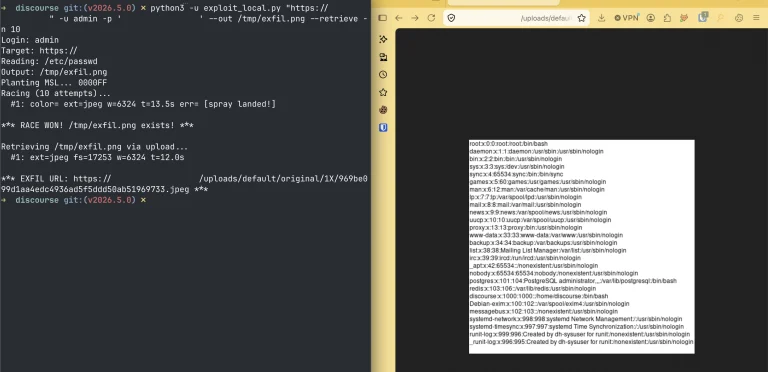
Two Discourse vulnerabilities, CVE-2026-55674 and CVE-2026-55420, enable cache poisoning XSS and server file reads. Patch to the fixed releases now.

ISC fixed 9 BIND vulnerabilities in 9.20.26 and 9.21.24. The top BIND vulnerability, CVE-2026-13321, enables DNSSEC cache poisoning. Patch now.

A critical Ghost cache poisoning bug lets an unauthenticated x-ghost-preview header hijack staff accounts. Update to Ghost v6.37.0 now.

A critical 9.1 CVSS flaw in Spring Security (CVE-2026-22732) fails to write HTTP headers, exposing Java apps to severe data leaks. Update immediately.

Discover three critical flaws (including CVE-2026-2835) in Cloudflare's Pingora Rust framework causing request smuggling and cache poisoning. Update now.

Critical alert: Undertow CVE-2025-12543 (CVSS 9.6) exposes WildFly & JBoss to cache poisoning and hijacking via Host Header Injection. Patch now.

ISC warns of two high-impact vulnerabilities in BIND preview editions (CVE-2025-40776, CVE-2025-40777), enabling cache poisoning and DoS attacks. Patch immediately!

A critical flaw (CVE-2025-49826, CVSS 7.5) in Next.js causes cache poisoning, leading to DoS by serving cached HTTP 204 responses for static pages.

A critical CI/CD flaw in remote caches allows undetectable code injection and privilege escalation via cache poisoning, bypassing all security controls.

A Varnish Cache flaw lets attackers smuggle HTTP requests and poison cached responses. Update to the patched release right away.

React Router flaws CVE-2025-43864 and CVE-2025-43865 allow cache poisoning and data spoofing attacks; users must upgrade to version 7.5.2 or later.

Stay informed about the latest security concern for Next.js. Learn about the CVE-2024-46982 vulnerability and how it affects certain deployments.