
 Do Son
Google's decision to discontinue support for Chrome on Ubuntu 18.04 LTS sparked discontent among users. Learn about the temporary reinstatement of support.
chrome

Discover the hidden '0.0.0.0 Day' vulnerability in browsers that poses serious risks to private and corporate networks.
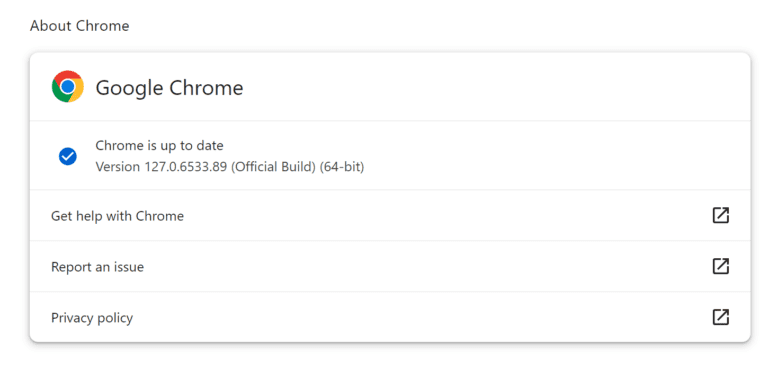
Protect your online security with the latest Google Chrome update. Find out about the critical vulnerability CVE-2024-6990 and more.

Learn about the recent malfunction in Chrome Password Manager that affected Windows users worldwide and prevented access to saved passwords.

Google Chrome sends suspicious files to the company's servers for deeper scanning if the user has enabled Enhanced Protection in Safe Browsing

Google announced years ago that it would gradually phase out third-party cookies to prevent direct user tracking by advertising networks

OpenBSD brings hardware acceleration support. The project team has introduced hardware-accelerated video encoding and decoding to OpenBSD

A proof-of-concept (PoC) exploit code for a recently patched zero-day CVE-2024-4947 vulnerability in Google Chrome has surfaced
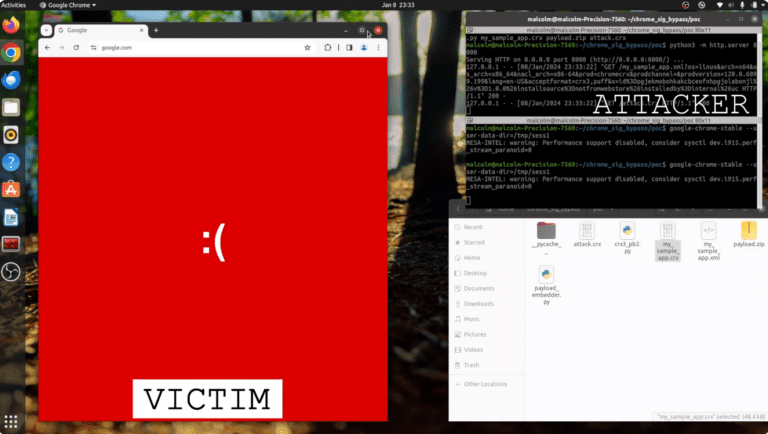
Stagg explains that the CVE-2024-0333 vulnerability stemmed from a peculiarity in how Chrome handles CRX files

initially disclosed in a security advisory update on September 5, 2023, this vulnerability carries a chilling CVSS score of 8.8
In a move that underscores the seriousness of the threat, Google confirmed that an exploit for CVE-2024-0519 is already prowling in the wild

One of the most alarming aspects of CVE-2023-7024 is that it had been actively exploited in the wild before its discovery.

This actively exploited flaw, tracked as CVE-2023-6345, could allow attackers to remotely execute code on affected devices.

Identified as CVE-2023-4863, the vulnerability traces its origin to a heap buffer overflow in the WebP image format

'use-after-free' CVE-2023-3214 vulnerability, nestled within Chrome's Autofill payments feature, was marked as a critical-severity bug.
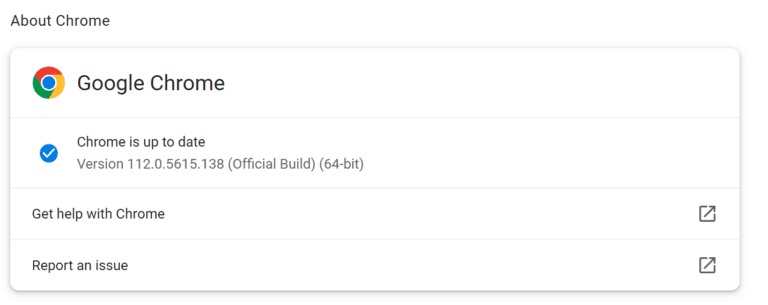
It's important to note that Google has acknowledged the existence of an exploit for CVE-2023-2136 in the wild.

CVE-2023-2033, is a type confusion issue in the V8 JavaScript engine, and Google has already released an emergency update to protect users

Google is aware that an exploit for CVE-2022-3723 exists in the wild. It is only known that this vulnerability is a Type Confusion in V8
Researchers recently disclosed clipboard security issues found in major browsers, including Chromium, Firefox, and Apple Safari

CVE-2022-1364 was submitted by Clément Lecigne of Google's Threat Analysis Group and the vulnerability was discovered on April 13

Google released a security bulletin to reveal the CVE-2022-0609 vulnerability, which is a major security threat to user-after-free
The data shows that Chrome browser has more than 1 billion users worldwide, and firmly occupy No.1. ...