
 Do Son
After removing JPEG-XL support in 2023, Chromium has reopened the debate on reinstating the format, driven by Apple's recent adoption in Safari and the iPhone 16 Pro.
google chrome
Google Chrome is the most widely used web browser in the world, which makes it a prime target. A single flaw in Chrome can affect billions of devices, including Windows, macOS, Linux and Android systems. Because other browsers such as Microsoft Edge, Brave, Opera and Vivaldi share the Chromium engine, many Chrome bugs reach them too.
This tag tracks Chrome security releases and the vulnerabilities they fix. Google ships stable channel updates on a regular schedule, plus emergency releases when a flaw is already under attack. In those cases, the release notes usually say that Google “is aware that an exploit” for the CVE exists in the wild. We report on these zero-days quickly, along with the fixed version numbers for each platform.
Many serious Chrome bugs sit in a few components. The V8 JavaScript engine often produces type confusion and out-of-bounds flaws. The graphics stack, including ANGLE and Skia, and media handling code are also common sources. Use-after-free bugs appear across the browser. Attackers often chain a renderer bug with a sandbox escape to take control of the device.
Our articles explain the severity Google assigned, the component involved and who reported the issue. Reports from Google’s Threat Analysis Group often point to spyware vendors or state-backed actors. We also cover Chrome features that improve security, such as changes to extensions, password protection and site isolation.
Keeping Chrome safe is mostly about speed. Make sure automatic updates work and that users actually relaunch the browser, because an update is not active until restart. In managed environments, use enterprise policies to enforce relaunch windows and control extensions. In addition, check Edge and other Chromium browsers, which may ship the same fix a few days later.
The list below shows the newest Chrome reports first. Each headline includes the CVE and fixed version where possible. Administrators can compare these numbers against the browser versions in their fleet.
We describe each issue from a defensive point of view and do not publish exploit code. Related coverage includes zero-day exploitation, remote code execution and Apple WebKit security updates.

Google released an urgent Chrome update (v142.0.7444.162) patching a High-severity V8 flaw (CVE-2025-13042). The "inappropriate implementation" issue risks remote code execution. Update immediately.

Google released an urgent update (v142.0.7444.134) patching three High-severity flaws: WebGPU Out-of-Bounds Write (CVE-2025-12725) and two Inappropriate Implementations in V8 and Views. Update immediately.
The Brash exploit leverages a missing rate limit on Chromium's document.title API to trigger a Denial-of-Service attack, crashing browsers in seconds.
Google Chrome 142 desktop update fixes 20 security flaws, including critical V8 Type Confusion (CVE-2025-12428) and Race conditions. Update your browser now.

Google announced Chrome 154 (Oct 2026) will automatically enable “Always Use Secure Connections,” marking a major security push to combat MitM attacks by warning users before visiting unencrypted HTTP sites.
Google issued an urgent Stable Channel update for Chrome (v141.0.7390.122) to fix a High-severity V8 flaw (CVE-2025-12036) that could lead to Remote Code Execution via a malicious web page.

Google released an urgent update for Chrome (v141.0.7390.107), patching a High-severity Use-After-Free flaw (CVE-2025-11756) in the Safe Browsing component. Update immediately.

Google Chrome will now automatically revoke notification permissions from inactive websites (those with low click-through rates) to significantly reduce user interruptions and spam.
Chrome 141.0.7390.65/66 is released, patching High-severity memory flaws: CVE-2025-11458 (Sync Heap Overflow) and CVE-2025-11460 (Storage UAF), risking RCE. Update immediately.
Google promoted Chrome 141 to Stable, patching 21 flaws including a High-severity Heap Buffer Overflow (CVE-2025-11205) in WebGPU that could lead to RCE.

New experimental flags in Microsoft Edge suggest that Microsoft may soon allow Windows Search results to open in your default browser and search engine.
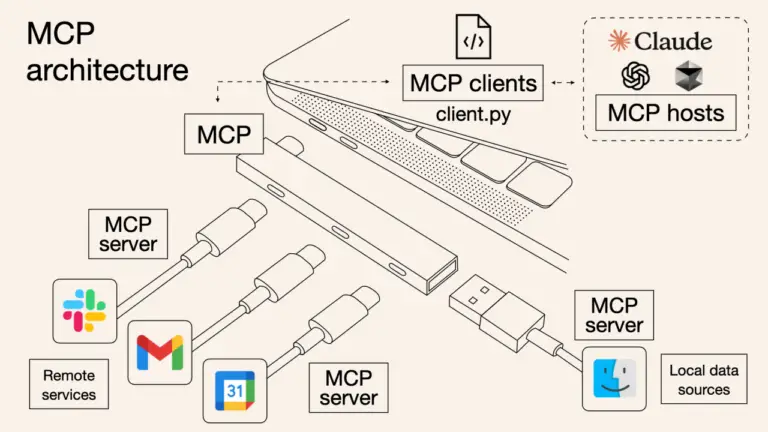
Google releases the Chrome DevTools MCP server, allowing AI coding agents to use powerful debugging tools to diagnose, optimize, and validate web pages.
CISA has added a high-severity V8 zero-day (CVE-2025-10585) to its exploited vulnerabilities catalog. An urgent Chrome update is available to patch the flaw.
Google has released an urgent update for Chrome, patching three high-severity flaws in its V8 JavaScript engine, two of which were discovered by AI.

Google has released an urgent Chrome update, patching a V8 zero-day (CVE-2025-10585) being exploited in the wild, along with other high-severity flaws.
Google is revamping Chrome with a new, lightweight preloading mechanism. This tech will make pages open instantly from your bookmarks and new tabs.
Google has released Chrome 140, patching two vulnerabilities including a critical use-after-free flaw in ServiceWorker and a high-severity flaw in Mojo.

Google has released Chrome 140, patching six vulnerabilities including a high-severity use-after-free flaw in the V8 JavaScript engine that could allow for remote code execution.
Google has released an urgent update for Chrome, patching a high-severity, out-of-bounds write vulnerability in the V8 JavaScript engine. Update your browser now.
Chrome 139 fixes high-severity bugs in V8, libaom, and ANGLE that attackers could exploit. Update your browser now to stay protected.

Google has paid out its highest-ever Chrome bug bounty of $250,000 for a critical sandbox escape flaw that could bypass multiple security layers.