
 Do Son
Chrome 127 and all subsequent versions will no longer trust newly issued digital certificates from the U.S private software company, Entrust
google chrome
Google Chrome is the most widely used web browser in the world, which makes it a prime target. A single flaw in Chrome can affect billions of devices, including Windows, macOS, Linux and Android systems. Because other browsers such as Microsoft Edge, Brave, Opera and Vivaldi share the Chromium engine, many Chrome bugs reach them too.
This tag tracks Chrome security releases and the vulnerabilities they fix. Google ships stable channel updates on a regular schedule, plus emergency releases when a flaw is already under attack. In those cases, the release notes usually say that Google “is aware that an exploit” for the CVE exists in the wild. We report on these zero-days quickly, along with the fixed version numbers for each platform.
Many serious Chrome bugs sit in a few components. The V8 JavaScript engine often produces type confusion and out-of-bounds flaws. The graphics stack, including ANGLE and Skia, and media handling code are also common sources. Use-after-free bugs appear across the browser. Attackers often chain a renderer bug with a sandbox escape to take control of the device.
Our articles explain the severity Google assigned, the component involved and who reported the issue. Reports from Google’s Threat Analysis Group often point to spyware vendors or state-backed actors. We also cover Chrome features that improve security, such as changes to extensions, password protection and site isolation.
Keeping Chrome safe is mostly about speed. Make sure automatic updates work and that users actually relaunch the browser, because an update is not active until restart. In managed environments, use enterprise policies to enforce relaunch windows and control extensions. In addition, check Edge and other Chromium browsers, which may ship the same fix a few days later.
The list below shows the newest Chrome reports first. Each headline includes the CVE and fixed version where possible. Administrators can compare these numbers against the browser versions in their fleet.
We describe each issue from a defensive point of view and do not publish exploit code. Related coverage includes zero-day exploitation, remote code execution and Apple WebKit security updates.

The flaw, designated as CVE-2024-5274 (CVSS 8.8), was recently patched by Google after being exploited in the wild
Google issued an emergency security update for its Chrome browser Thursday, urgently addressing a zero-day vulnerability (CVE-2024-5274)
CVE-2024-4947 allow attackers to execute harmful code on users' systems, compromising sensitive data and taking control of their devices

The vulnerability, identified as CVE-2024-4761, is an “Out of bounds write” flaw found in V8, Chrome’s JavaScript engine
The flaw, designated CVE-2024-4671, is a "use after free" bug located within the browser's "Visuals" component.
CVE-2024-4058 (Critical): Type confusion vulnerability in ANGLE that could lead to arbitrary code execution
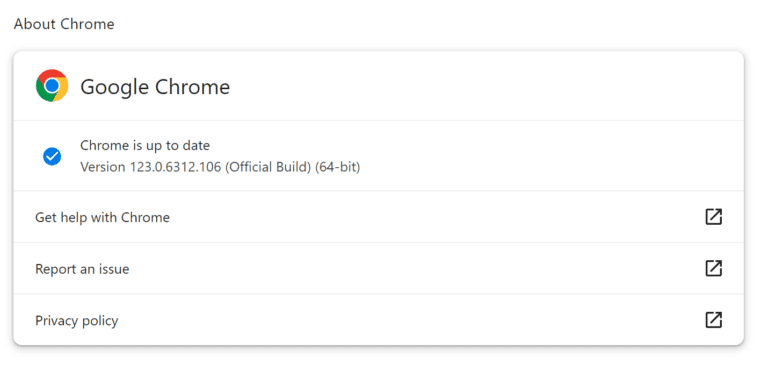
The flaw, designated CVE-2024-3159, involves an out-of-bounds memory access vulnerability in the V8 JavaScript engine.
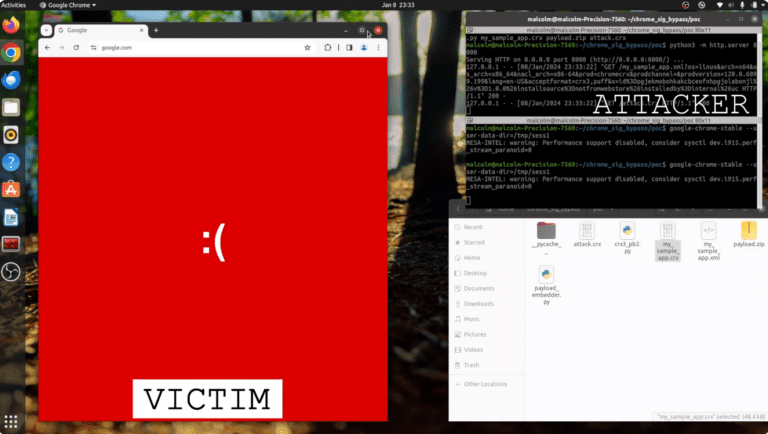
Stagg explains that the CVE-2024-0333 vulnerability stemmed from a peculiarity in how Chrome handles CRX files
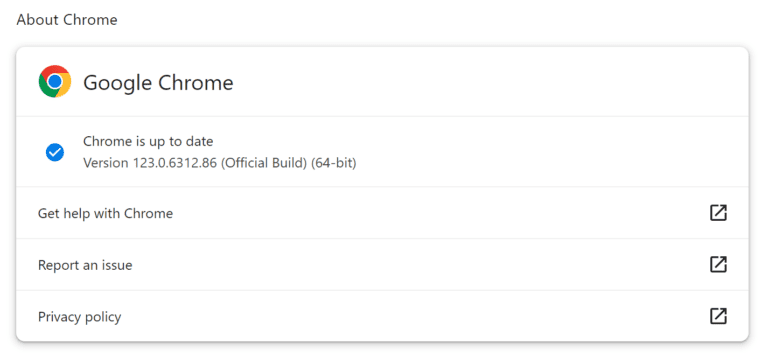
CVE-2024-2883: "Use-after-free" vulnerabilities can potentially allow attackers to execute malicious code on a compromised system

A PoC exploit code and technical details have been made available for a zero-day flaw, tracked as CVE-2022-4262, affecting Google Chrome

The agency recently added two significant vulnerabilities to its Known Exploited Vulnerabilities (KEV) catalog

Tracked as CVE-2022-4135, Google described the high-severity flaw as a heap buffer overflow in GPU and credited Clement Lecigne.

Google rolled out patches for the Chrome browser for desktops to contain an actively exploited high-severity zero-day flaw (CVE-2022-3075)

In the Chrome 68 released on July 24th, Google introduced a significant change. When a non-HTTPS website loaded,...
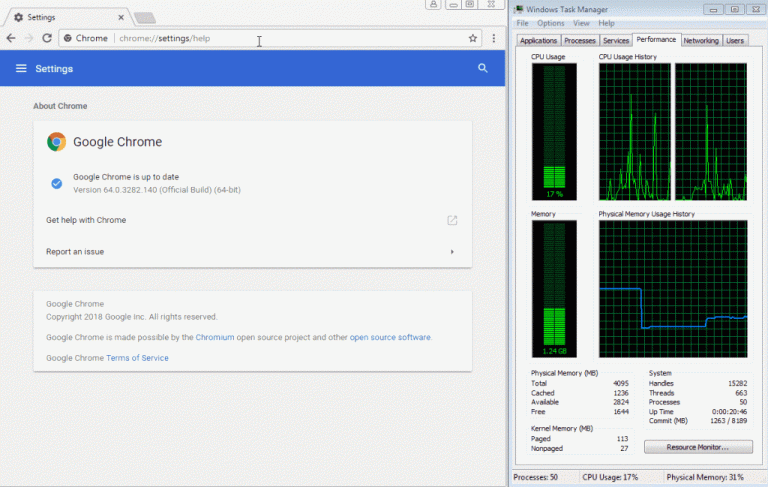
Last winter, security company Malwarebytes reported a security vulnerability to Chrome that a malicious gang used the “Download Bomb” to...
Some users who upgraded the operating system to Windows 10 April 2018 reported problems with Google Chrome...
Fedora now offers third-party software repositories that allow users to install software that was previously unavailable, including...
Although Microsoft strives to make Edge the default browser for Windows 10 users, most users will use...
After releasing it for half a year, security experts and Windows users are now aware that Chrome...
According to the latest statistics released by the market research firm NetMarketShare, Google’s Chrome browser is still...

Autoplay is a big problem plaguing many users, although many browsers have introduced the option to mute...