
 Do Son
Critical alert: Twonky Server suffers unpatched flaws (CVE-2025-13315/16) allowing full takeover. Vendor has no fix; isolate your server immediately.
IoT security
Critical Unpatched Flaw: Vivotek EOL IP Cameras Exposed to Unauthenticated RCE via Command Injection

Critical Unpatched Flaw: Vivotek EOL IP Cameras Exposed to Unauthenticated RCE via Command Injection
A critical, unpatched flaw in EOL Vivotek IP Cameras allows unauthenticated RCE via command injection in eventtask.cgi. Firmware versions 0100c–0305a4 are vulnerable and will not receive fixes.

Trend Micro discovered RondoDox, a new botnet leveraging 50+ exploits (including the Pwn2Own TP-Link flaw) in an "exploit shotgun" approach to compromise routers, DVRs, and IoT globally.

D-Link warns of a critical command injection flaw (CVSS 9.8) in its EOL DIR-series routers. A PoC is public, and since no patch is available, devices must be replaced.

A critical command injection flaw (CVE-2025-57105) has been found in D-Link's end-of-life DI-7400G+ router series. Because the devices are unsupported, no patch is coming.

A critical flaw (CVE-2025-7503, CVSS 10.0) in Shenzhen Liandian IP cameras allows root access via an undocumented, default-enabled Telnet service with hardcoded credentials. No patch available.

NSFOCUS uncovers Hpingbot, a rapidly evolving Go-based botnet using Pastebin for payloads and hping3 for DDoS. It targets Windows/Linux/IoT, focusing on stealth and persistence.

FortiGuard Labs exposes RondoDox, a stealthy botnet exploiting critical flaws (CVE-2024-3721, CVE-2024-12856) in TBK DVRs & Four-Faith routers to launch sophisticated DDoS attacks.

A critical flaw (CVE-2025-3699) in Mitsubishi Electric AC systems allows remote authentication bypass, risking illegal control and firmware tampering.

RapperBot botnet resurfaces with 50,000+ active bots, now demanding Monero extortion to halt DDoS attacks. The self-proclaimed "rapper" malware targets IoT devices globally.

A critical flaw (CVE-2025-51381) in KAON KCM3100 Wi-Fi gateways allows local attackers to bypass authentication. Update firmware to version 1.4.8 immediately.

A new report reveals over 40,000 internet-connected security cameras are exposed online, streaming live footage without protection, risking privacy globally.

A new Mirai botnet variant is exploiting CVE-2024-3721 to infect vulnerable DVRs. Learn how this sophisticated attack works and if your surveillance system is at risk.

Amazon warns of a high-severity (CVSS 8.4) memory corruption flaw (CVE-2025-5688) in FreeRTOS-Plus-TCP. Patch immediately to prevent crashes and RCE in affected devices.

Darktrace uncovers PumaBot, a stealthy Linux botnet using Go binaries, SSH brute-force, and rootkits to compromise IoT devices, aiming for persistent, undetected access.

AyySSHush is a new stealthy botnet backdooring ASUS routers via SSH keys, abusing legitimate features to persist across firmware updates and targeting residential networks globally.

Apache IoTDB faces 3 security flaws! Learn about data exposure and remote code execution vulnerabilities and how to protect your IoT data.

Akamai uncovers active exploitation of retired GeoVision IoT devices via CVE-2024-6047 and CVE-2024-11120 using Mirai-based botnet LZRD.

Two critical CVEs in Yi IOT smart cameras allow unauthenticated RCE and root access via ports 6789 and 999, exposing users to full device compromise.
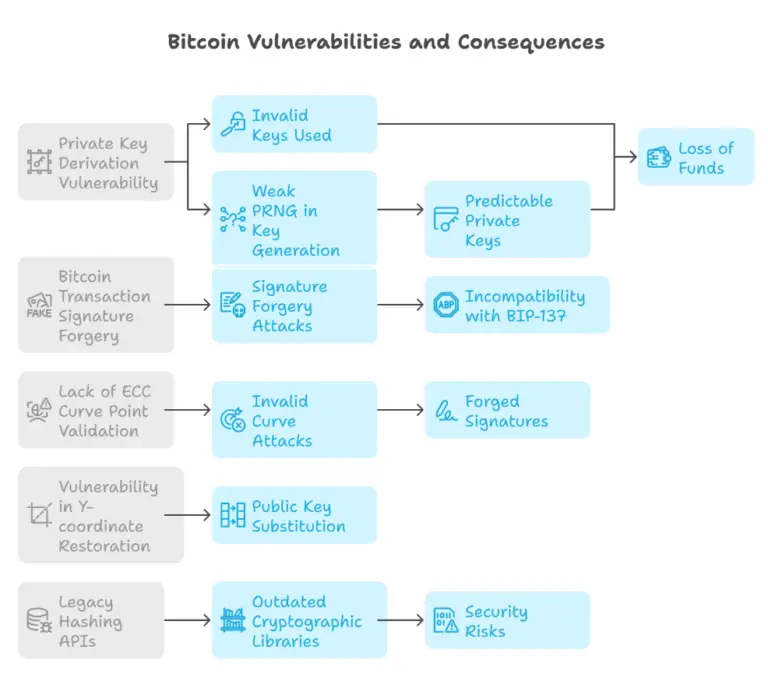
A critical vulnerability (CVE-2025-27840) in ESP32 microcontrollers threatens billions of IoT devices and the security of Bitcoin wallets. Exploits range from private key theft to forged transactions.