
 Do Son
Kaspersky uncovered the BlackX UEFI bootkit APT41 campaign bypassing Secure Boot via Baton Drop to spy on Central Asian diplomatic agencies.
Secure Boot
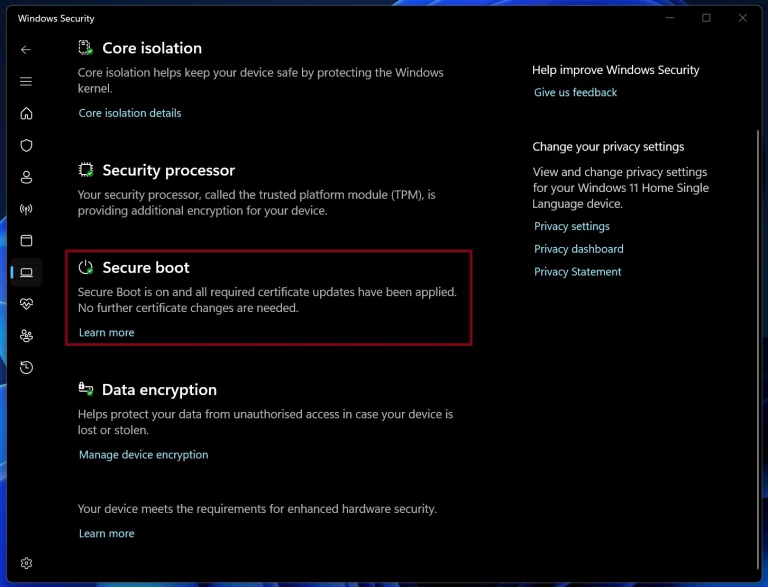
Following the Secure Boot certificate expiration, Windows PCs transition to UEFI CA 2023 while booting normally. Learn how to verify your device.
A critical Secure Boot bypass vulnerability via a UEFI Shell flaw exposes servers to code execution. Discover how CVE-2026-33197 impacts devices.
Details and PoC for a Cisco Secure Boot bypass vulnerability are public. Learn how this Cisco Secure Boot bypass affects UCS servers and appliances.

Discover the major challenges IT admins face with the UEFI CA 2023 update. Learn why Microsoft, HP, and other OEMs cause BitLocker recovery loops.
ESET found vendor-signed UEFI applications vulnerable to a Secure Boot bypass. Attackers can run pre-boot code. Update firmware and the UEFI DBX now.
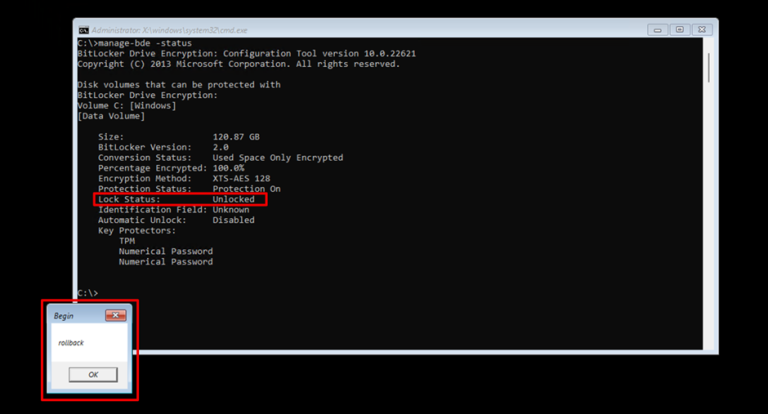
Public PoC Alert: The BitUnlocker Downgrade Attack bypasses BitLocker on patched Windows 11 machines in under 5 minutes. Learn how to secure your TPM with a PIN.

Microsoft is rotating UEFI Secure Boot certificates before they expire in June 2026. Ensure your PC stays secure by following this massive coordination effort.

GRUB 2.14 launches in Jan 2026, fixing the Year 2038 bug and adding Argon2, TPM 2.0, and EROFS support for the ultimate Linux boot security.

Microsoft begins rotating Secure Boot certificates in Jan 2026. Act now to prevent boot failures and maintain security before the June 2026 expiration.

Microsoft Jan 2026 Patch Tuesday fixes 114 flaws, including 3 zero-days. CVE-2026-20805 is actively exploited. Update Windows & Office immediately.

CERT/CC warns of critical flaws in Gigabyte UEFI firmware, allowing SMRAM writes and SMM code execution. Patch immediately to prevent firmware implants and Secure Boot bypass.
Microsoft's 2011 Secure Boot certificates expire in 2026, impacting all supported Windows versions. Update now via Windows Update to avoid boot failures, especially on isolated systems.

A IGEL OS 10 flaw (CVE-2025-47827) allows full Secure Boot bypass, enabling attackers to load untrusted kernels and rootkits. No patch is available.

A Insyde H2O UEFI flaw (CVE-2025-4275) allows Secure Boot bypass via NVRAM, enabling attackers to inject undetectable malware and rootkits. Update firmware now!

A UEFI Secure Boot flaw (CVE-2025-3052) allows attackers to bypass security and execute untrusted code on millions of devices. Patch now!

Microsoft's May update addresses the conflict between Secure Boot Advanced Targeting and Linux UEFI, resolving dual-boot startup failures.

Eclypsium researchers expose critical vulnerabilities in Palo Alto Networks firewalls, including the BootHole vulnerability. Stay informed and protect your systems.