
 Do Son
Patch CVE-2026-97631 now. This critical 9.5 CVSS EDK II PXE vulnerability allows unauthenticated pre-boot RCE via crafted ICMP error packets.
UEFI
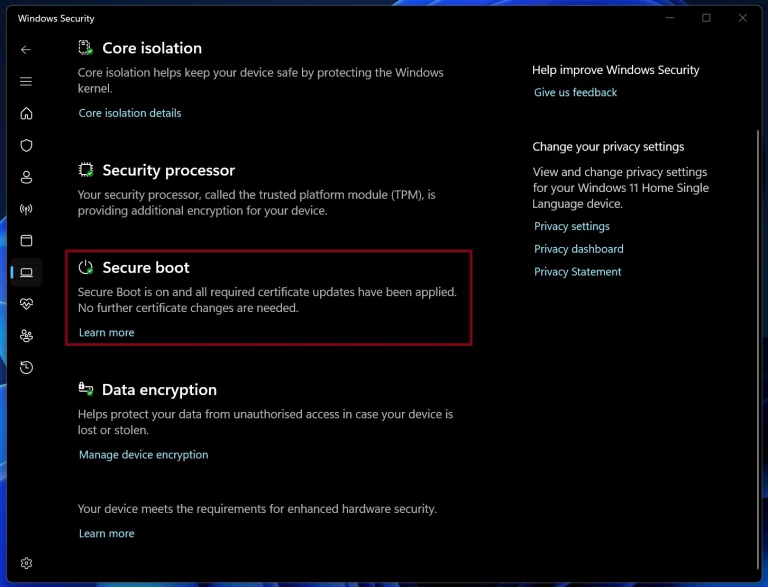
Following the Secure Boot certificate expiration, Windows PCs transition to UEFI CA 2023 while booting normally. Learn how to verify your device.
Details and PoC for a Cisco Secure Boot bypass vulnerability are public. Learn how this Cisco Secure Boot bypass affects UCS servers and appliances.
ESET found vendor-signed UEFI applications vulnerable to a Secure Boot bypass. Attackers can run pre-boot code. Update firmware and the UEFI DBX now.

Microsoft has suspended VeraCrypt’s developer account, blocking critical driver signatures. Without a fix, future Windows updates and system boots are at risk.

Microsoft is rotating UEFI Secure Boot certificates before they expire in June 2026. Ensure your PC stays secure by following this massive coordination effort.

Microsoft begins rotating Secure Boot certificates in Jan 2026. Act now to prevent boot failures and maintain security before the June 2026 expiration.

A critical UEFI flaw in ASRock, ASUS, and MSI motherboards fails to enable IOMMU, allowing pre-boot memory access via PCIe devices.

CERT/CC warns that Clevo’s UEFI firmware updates accidentally exposed Intel Boot Guard private keys (CVE-2025-11577), risking pre-boot firmware integrity on multiple OEM laptops.

A new vulnerability in AMI Aptio UEFI firmware allows for arbitrary code execution in System Management Mode, a privileged environment that can bypass OS controls.

Nvidia released patches for critical vulnerabilities (CVE-2025-23270, CVE-2025-23269) in Jetson Linux and IGX, allowing RCE, data tampering, and info disclosure.

CERT/CC warns of critical flaws in Gigabyte UEFI firmware, allowing SMRAM writes and SMM code execution. Patch immediately to prevent firmware implants and Secure Boot bypass.
Microsoft's 2011 Secure Boot certificates expire in 2026, impacting all supported Windows versions. Update now via Windows Update to avoid boot failures, especially on isolated systems.

A IGEL OS 10 flaw (CVE-2025-47827) allows full Secure Boot bypass, enabling attackers to load untrusted kernels and rootkits. No patch is available.

A Insyde H2O UEFI flaw (CVE-2025-4275) allows Secure Boot bypass via NVRAM, enabling attackers to inject undetectable malware and rootkits. Update firmware now!

A UEFI Secure Boot flaw (CVE-2025-3052) allows attackers to bypass security and execute untrusted code on millions of devices. Patch now!

Microsoft's May update addresses the conflict between Secure Boot Advanced Targeting and Linux UEFI, resolving dual-boot startup failures.

Learn about the latest threat to Windows systems: a sophisticated UEFI bootkit that compromises the kernel during boot process.

In the intricate web of modern computing, a new threat has emerged, casting a shadow over the...

LogoFAIL vulnerabilities are not vendor-specific and impact devices and chips from a wide range of manufacturers, affecting UEFI firmware