 Do Son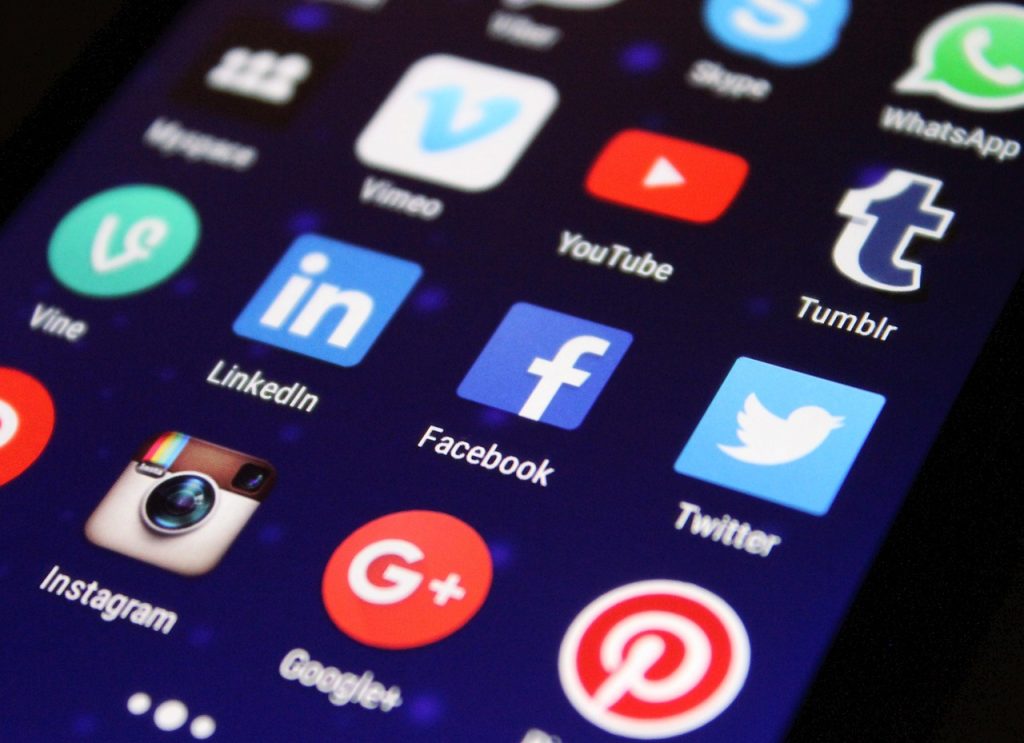
The UK government has announced a nationwide ban on social media use for anyone under the age of 16. Formal regulations are expected around Christmas 2026, with the ban taking full effect in spring 2027. The policy also requires every social media platform to implement age verification, meaning that once the rules take hold, even adults registering new accounts will need to submit identification or undergo facial recognition to confirm they are of legal age.
Strong Public Support During the Consultation Period
Before announcing the policy, the UK government carried out a nationwide consultation, receiving 116,000 responses from parents, children and teenagers, and industry experts. According to the government, 90 percent of parents who responded supported banning social media use for those under 16, while 60 percent of young respondents agreed that at least some platforms should be off-limits to that age group.
The UK’s technology ministry framed the move as a direct confrontation with tech platforms, arguing that these companies have had countless opportunities to protect children yet consistently failed to take meaningful action. As a result, the government has decided to legislate, reclaiming authority from technology companies and restoring to parents the decision over whether their teenagers can use social media. You can read the official UK government announcement for the full policy details.
Which Platforms Are Affected
The UK’s ban draws inspiration from Australia’s earlier law restricting social media access for teenagers. It covers what regulators describe as user-to-user platforms, meaning services designed to promote social interaction and powered by algorithmic recommendation systems. Platforms explicitly named by the government include Instagram, YouTube, TikTok, Snapchat, Facebook, and X, formerly known as Twitter, all of which fall under the restriction. Certain messaging platforms, such as WhatsApp and Signal, are excluded from the ban, as is YouTube Kids.
Educational services, e-commerce platforms, and music streaming services will receive a tightly defined exemption, allowing them to continue serving teenage users without restriction. However, platforms offering higher-risk features will need to disable those specific functions for minors. Gaming platforms such as Roblox, for instance, can continue operating for teenagers but must turn off chat functionality.
AI companion chatbots involving simulated romantic relationships or roleplay will be required to enforce mandatory adult verification, restricting their use to adults only. For other general-purpose AI chatbots, any features related to intimate or romantic interaction must be disabled for minors.
Anonymous Accounts and Adult Verification Requirements
The policy has already drawn criticism on one notable front: users will no longer be able to register anonymous social media accounts in the UK. Since platforms must verify age under the new rules, verification effectively requires submitting a photo ID or undergoing facial recognition, ruling out the creation of anonymous secondary accounts entirely.
To limit how many users must go through this process, the government has established exceptions for low-risk accounts. Specifically, an account will be considered low-risk and exempt from re-verification if it has existed for more than 16 years, has a linked credit card, or is tied to an email address already verified elsewhere. In every other case, verification will be mandatory. This means nearly all new account registrations will require verification, and even some existing accounts may need to go through the process, given how few accounts have actually been active for over 16 years.
Support Our Threat Intelligence
Find our tech and OS security coverage helpful? Support our work today and unlock a 100% ad-free reading experience!
 Buy Me a Coffee
