 Do Son
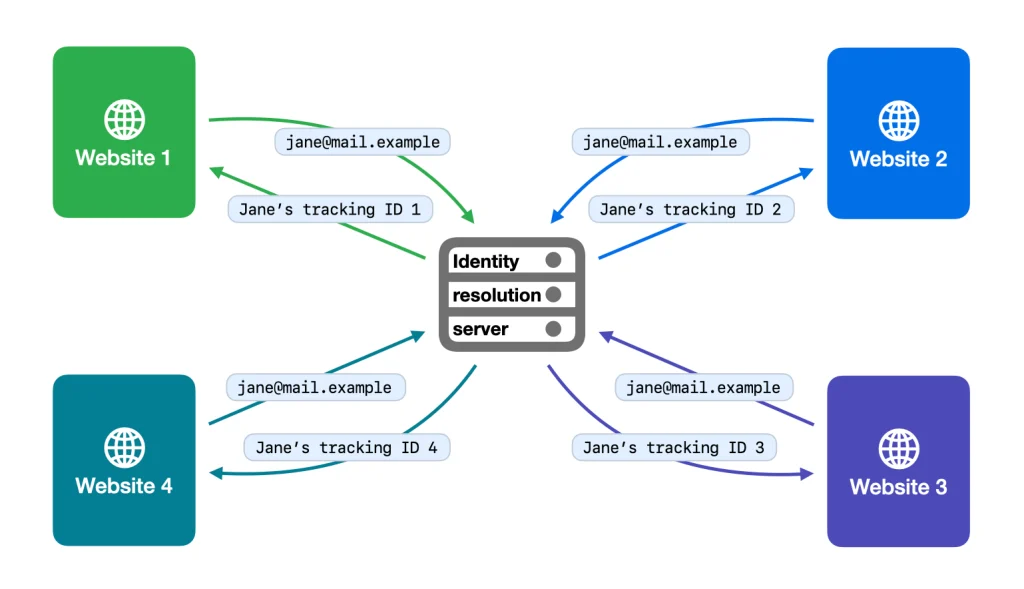
Global advertising technology firms recently experienced intense anxiety following sudden updates to Apple’s WebKit browser engine. Now, Apple has broken its silence to explain the underlying policy decisions. Specifically, the company published an extensive manifesto detailing its technical stance on digital privacy. In an official briefing on blocking identity resolution infrastructure, WebKit engineers clarified their aggressive containment strategy. Consequently, this policy targets novel cross-site tracking workarounds that emerged after the demise of third-party cookies.
Targeting Covert Identity Resolution Techniques
Years ago, Apple pioneered default blocking of third-party cookies within Safari. However, the online advertising ecosystem quickly migrated toward stealthier alternatives. Specifically, tracking firms adopted identity resolution to preserve pervasive surveillance across websites and devices.
These sophisticated tracking systems operate quietly when consumers register accounts, log into portals, or subscribe to newsletters. In doing so, third-party code intercepts user email addresses, phone numbers, and browsing behaviors. Afterwards, advertisers stitch these fragmented identifiers together to assemble comprehensive identity graphs.
Domain-Level Defenses Across Apple Ecosystems
Apple firmly asserted that consumers never expect their personal credentials to feed shadow advertising networks. Therefore, WebKit introduced robust domain-level blocks across iOS, iPadOS, macOS, and visionOS. This protective barrier directly prevents tracking scripts from transmitting harvested credentials back to third-party servers. Consequently, the mechanism severs covert tracking conduits before data escapes user devices.
Advertising Industry Backlash and Business Impact
Predictably, this unannounced browser update provoked fierce resistance across the digital marketing sector. AdTech executives and online publishers argue that the ban imperils revenue generated from targeted promotions. Furthermore, marketing associations contend that broad restrictions disrupt legitimate first-party data initiatives.
Nevertheless, Apple maintains an uncompromising posture on individual digital rights. The company reiterated that users possess an absolute right to privacy across web environments. Therefore, Apple refuses to grant exemptions or carve-outs to commercial advertising coalitions.
The Future of Post-Cookie Digital Marketing
Clearly, the deprecation of legacy cookies represented merely the initial phase of digital privacy enforcement. Now, Apple has systematically dismantled email-based identity stitching. Consequently, conventional targeted advertising models face unprecedented operational headwinds. Moving forward, marketing organizations must transition toward authenticated server-side architectures or direct first-party relationships. Ultimately, Apple has permanently altered the commercial realities of online advertising.
Support Our Threat Intelligence
Find our tech and OS security coverage helpful? Support our work today and unlock a 100% ad-free reading experience!
 Buy Me a Coffee
