 Do Son
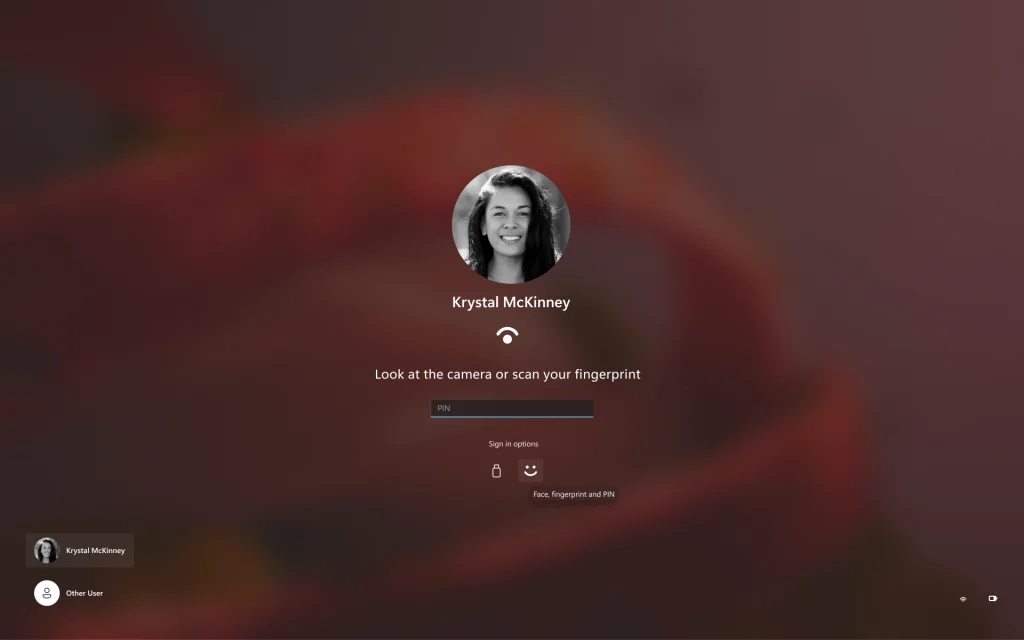
Microsoft is actively refining the desktop authentication experience across modern personal computers. Specifically, the software maker introduced an intelligent Windows Hello login update to eliminate authentication delays. Users can now enter their security PIN immediately while facial or fingerprint sensors scan. Consequently, operators no longer need to wait for biometric sensors to fail. Furthermore, this dual-path approach accelerates daily access without sacrificing account protection.
Concurrent Biometric and PIN Authentication
Under existing desktop protocols, waking a computer triggers biometric cameras or touch sensors first. If ambient lighting falters or sensors obscure, the system stalls before offering alternatives. Users typically wait several frustrating seconds or manually click secondary authentication icons. Therefore, entering a traditional PIN often required redundant navigational steps.
To resolve this friction, engineers overhauled credential processing inside experimental testing channels. As documented in the Windows Insider release notes for preview build 26340.9882, the operating system now checks credentials concurrently. Specifically, facial recognition, fingerprint verification, and PIN entry operate simultaneously. Whichever authentication method validates first immediately unlocks the desktop environment. However, the operating system still requires a primary PIN upon initial system reboots.
Screen Illumination in Dim Environments
Additionally, Microsoft addressed common recognition failures caused by poor ambient lighting. When internal sensors detect dark surroundings, the display temporarily increases screen brightness. This sudden radiance gently illuminates the user’s face to assist infrared cameras. Consequently, optical sensors identify facial contours swiftly without requiring external light sources.
Configuring Automatic Display Brightness
Users participating in testing rings can configure this assistive feature easily. Inside account settings, a dedicated toggle enables automatic display brightening during sign-in attempts. Microsoft plans to conclude developer testing ahead of broader public previews. Subsequently, a comprehensive rollout will reach production Windows 11 systems early next year. Ultimately, these practical refinements transform routine sign-in procedures into an effortless, friction-free routine.
Support Our Threat Intelligence
Find our tech and OS security coverage helpful? Support our work today and unlock a 100% ad-free reading experience!
 Buy Me a Coffee
