 Do Son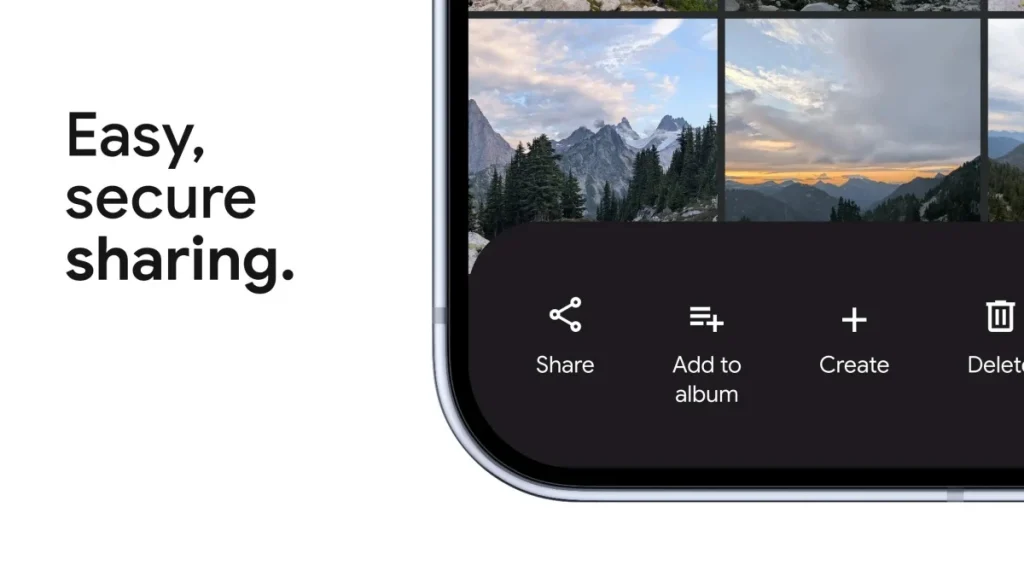
Ahead of the formal inauguration of Google I/O 2026, Google utilized “The Android Show: I/O Edition 2026” to delineate the strategic blueprint for the forthcoming generation of its mobile ecosystem. Beyond the declaration of Android’s metamorphosis from a conventional operating system into a Gemini-driven “Intelligence System,” the most striking revelation lies in the breakthrough of “cross-ecosystem interoperability.” This includes the official integration of Quick Share with Apple’s AirDrop protocol and a collaborative effort with Apple to radically refine the data migration process from iOS to Android.
Since early this year, Google has provided developers with Android 17 preview builds, facilitating early feedback and allowing for the calibration of next-generation applications. Consequently, while the foundational features of Android 17 are already public knowledge, this presentation focused on pivotal augmentations and functional enhancements.
The frustration of transmitting high-definition video across disparate mobile ecosystems has long been a paramount grievance for users. To resolve this fragmentation, Google announced a transformative upgrade to its cross-device sharing utility, Quick Share:
- Native AirDrop Support: In a move of profound strategic significance, Google Pixel devices—followed by partners such as Samsung, OPPO, OnePlus, Vivo, Xiaomi, and Honor—will soon be capable of “casting” files directly to Apple’s AirDrop receivers via Quick Share.
- QR Code Cloud Sharing: For Android devices yet to receive native AirDrop integration, Google has introduced an immediate contingency: Quick Share can generate a bespoke QR Code which, when scanned by an iOS device, facilitates an instantaneous cloud-based download.
- Third-Party Integration: Quick Share will soon be natively embedded within prominent communication platforms like WhatsApp, further streamlining the distribution process.
To alleviate the “switching anxiety” experienced by iOS loyalists, Google confirmed a profound restructuring of the wireless transfer workflow in partnership with Apple. Future migrants will be able to seamlessly transition not only contacts and media but also the most recalcitrant data sets: passwords, favorite applications, and even home screen layouts. This new process, which includes advanced eSIM migration technology, will debut this year on Samsung Galaxy and Google Pixel hardware.
Android 17 introduces a suite of refinements tailored for creators, focusing on deep social media integration and on-device AI editing to diminish post-production burdens. This includes fortified alliances with Meta and Adobe, alongside the debut of professional-grade video formats:
- “Screen Reactions”: Debuting this summer on Pixel devices, this feature allows users to capture their on-screen activities and personal selfie reactions simultaneously with a single tap, obviating the need for complex “green screen” setups.
- Elevated Instagram Integration: Through a collaboration with Meta, Android flagship hardware capabilities—such as Ultra HDR, internal stabilization, and Night Sight—are now seamlessly accessible within the Instagram interface. Optimized via the Universal Video Quality (UVQ) model, video uploads from Android flagships now rival or exceed those of their primary competitors. Furthermore, the Instagram application has been fully optimized for the Android tablet experience.
- AI-Augmented Editing: Instagram’s Edits app will gain Android-exclusive features powered by on-device AI, including “Smart Enhance” for automated visual refinement and “Sound Separation,” which utilizes AI to isolate crystal-clear vocals from ambient noise or wind interference.
- Adobe Premiere & APV Format: For elite creators, Adobe Premiere is slated for an Android release, featuring bespoke templates for YouTube Shorts. Simultaneously, Google and Samsung have unveiled the Advanced Professional Video (APV) format. Optimized for the hardware acceleration of the Snapdragon 8 Elite Gen 5, this highly efficient format will debut on the Samsung Galaxy S26 Ultra and vivo X300 Ultra.
In a visual evolution of the communication experience, Google unveiled the “Noto 3D” emoji series. Moving beyond the beloved “blobs” of the 2010s, these new 3D icons are designed to imbue digital dialogue with a sense of physicality, utilizing sophisticated lighting and shadows to ensure emotions are conveyed with depth rather than flat abstraction.
Regarding “Digital Wellbeing,” Google has introduced Pause Point, a sophisticated alternative to easily bypassed app timers. This mechanism mandates a “moment of mindfulness”: when a user attempts to open a potentially distracting application, Pause Point enforces a ten-second “deep breathing” interval. During this hiatus, the system prompts the user to reflect on their intent, offering constructive alternatives like breathing exercises or audiobooks. To ensure the efficacy of this barrier, disabling the feature requires a full system reboot, imposing a high “interruption cost” to thwart impulsive usage.
The revelations of “The Android Show” illuminate two complementary strategic pillars. Externally, the integration with AirDrop and the optimization of iOS migration represent a precise “poaching maneuver” against Apple’s ecosystem. Historically, Apple utilized “blue-bubble” exclusivity and AirDrop’s convenience to anchor its user base; now, Google has extended an olive branch of reverse compatibility to diminish the friction of defection. Internally, features like Noto 3D and Pause Point reflect a nuanced understanding of user psychology—positioning the device not as an enforcer of restrictions, but as a digital coach helping users reclaim their time from algorithmic depths. This echoes Google’s core philosophy: “Empowering your device to understand you better, so you can spend less time staring at a screen and more time engaged with what you truly love.”
Support Our Threat Intelligence
Find our tech and OS security coverage helpful? Support our work today and unlock a 100% ad-free reading experience!
 Buy Me a Coffee
