 Do Son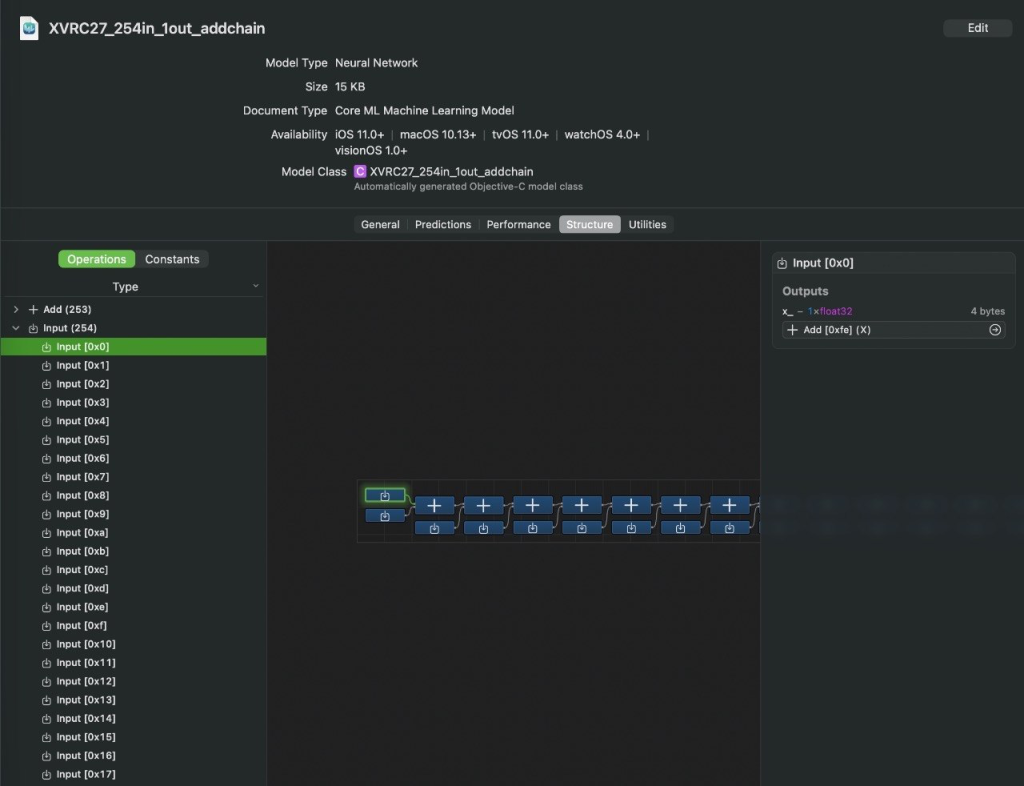
TL;DR
Apple patched a critical kernel flaw in its Apple Neural Engine (ANE) driver. The Apple ANE vulnerability, tracked as CVE-2026-43748 (CVSS 9.8), is an out-of-bounds write reachable from a sandboxed app. Full technical details and proof-of-concept exploit code for both macOS and iOS are now public.
- CVE: CVE-2026-43748
- CVSS: 9.8 (Critical · CVSSv3)
- Product: Apple iOS and iPadOS
- Affected: < 26.6, < 15.7.8
- Impact: CWE-787
- Status: No confirmed exploitation yet
- Patched in: 26.6, 15.7.8
- EPSS: 0.5% (30-day)
- Action: Update to 26.6, 15.7.8 now
Why It Matters
The ANE powers on-device machine learning across iPhones and Macs. This Apple ANE vulnerability sits in the kernel, the most privileged part of the system. The direct-path user client is reachable from a sandboxed process on both iOS and macOS. It needs no special entitlements. A successful write corrupts the kernel heap, which can lead to system crashes or deeper compromise.
How the Attack Works
The bug is a size mismatch. The driver accepts up to 0xff IOSurface buffers across inputs, outputs, and weights. However, the prewire buffer table only has room for 0x80 records. The driver writes one descriptor per surface before checking the table’s real capacity. As a result, any request over 0x80 buffers writes past the end of the allocation. The research notes the correct capacity check exists but “performs it too late,” after the loops have already corrupted memory. This overwrites adjacent objects in the kalloc heap zone.
Affected Versions and Exploitation Status
The flaw affects builds before the fix. Apple resolved it in macOS Sequoia 15.7.8 and macOS Tahoe 26.6, plus the matching iOS updates. Researchers tested it on iOS 26.4.1 and 26.5.1 and macOS 26.5.1. Public proof-of-concept code now exists. Separate macOS and iOS PoCs demonstrate the heap corruption. No in-the-wild exploitation has been confirmed at this time.
Patch and Mitigation
Update all Apple devices without delay. Apply the latest macOS and iOS releases that list the fix. With PoC code public for CVE-2026-43748, patching is the only reliable defense. Prioritize shared and managed fleets first.
Support Our Threat Intelligence
Find our vulnerability reports and weekly recaps helpful? Support our work today and unlock a 100% ad-free reading experience!
 Buy Me a Coffee
