 Do Son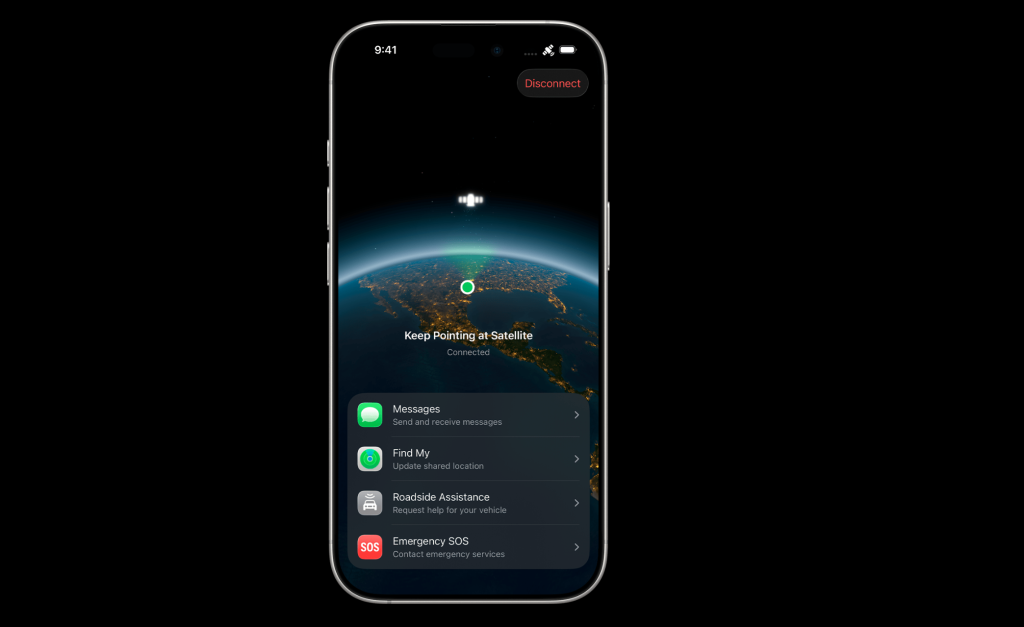
Following its autumn product unveiling, Apple has quietly confirmed, by way of a note within a press release, that it will once again prolong the free access period for existing users of Emergency SOS via satellite. Owners of the iPhone 14, iPhone 15, and iPhone 16 series will receive an additional year of complimentary satellite communication. This already marks the third consecutive year in which Apple has announced such an extension since it first introduced the feature with the iPhone 14 lineup in 2022.
A Low-Key Announcement Buried in a Press Release
Unlike the fanfare of previous years, when the news was trumpeted from the keynote stage, this extension went unmentioned during the autumn event’s livestream. Instead, it surfaced discreetly in a footnote to the official press release for the new iPhone 18 Pro and Apple’s first foldable phone, the iPhone Duo.
According to Apple’s terms, any user who activated an iPhone 14, iPhone 15, or iPhone 16 in a country or region supporting satellite communication before midnight on September 9, 2026, will see their free satellite service automatically extended by a further year. At the same time, for those purchasing new devices, Apple reaffirmed that every newly activated iPhone will include one year of free satellite communication by default. Apple’s own support documentation on Emergency SOS via satellite details how the service operates and where it is available.
The Undisclosed Business Model: From Add-On to Infrastructure?
Since the debut of satellite SOS, Apple’s application of the technology has broadened from mere emergency calls toward a variety of scenarios, including Messages via satellite, Find My via satellite, and Roadside Assistance via satellite. Even so, Apple has yet to reveal what pricing model this costly satellite infrastructure, presently built chiefly in partnership with Globalstar, will adopt in future.
The market initially anticipated that Apple might fold satellite communication into its Apple One subscription or embrace a pay-per-use approach. However, with three straight years of free extensions, compounded by the Android camp (such as Google and certain Chinese phone brands) progressively making satellite connectivity standard on flagship devices, Apple appears trapped in a pricing dilemma where charging has grown difficult.
The Tug of War Between PR Risk and Market Expectation
From a commercial standpoint, the cost of signing long-term contracts with satellite operators and building ground stations is exceedingly high. Naturally, Apple would hope to convert this investment into stable, recurring service revenue. So why does it hesitate to formally switch on billing?
The most fundamental reason lies in the public-relations peril of a public-safety service. Once a life-saving emergency feature bears a price tag, a single tragic headline, of someone perishing in the wilderness because they forgot to renew or refused to pay, would deal a devastating blow to Apple’s brand reputation.
Rather than shoulder such an incalculable PR catastrophe, Apple would do better to keep satellite communication as an invisible cost that sustains the iPhone’s premium positioning and deepens user loyalty. Once consumers have grown accustomed to this free safety net, any future move toward a paid model would likely have to begin with non-emergency, everyday satellite messaging and connectivity. Keeping the core SOS function permanently free, meanwhile, remains the surest way to balance commercial interest against brand image.
Support Our Threat Intelligence
Find our tech and OS security coverage helpful? Support our work today and unlock a 100% ad-free reading experience!
 Buy Me a Coffee
