The Anonymity Myth: How the FBI Unmasked a “Hide My Email” User in Under 48 Hours
 Do Son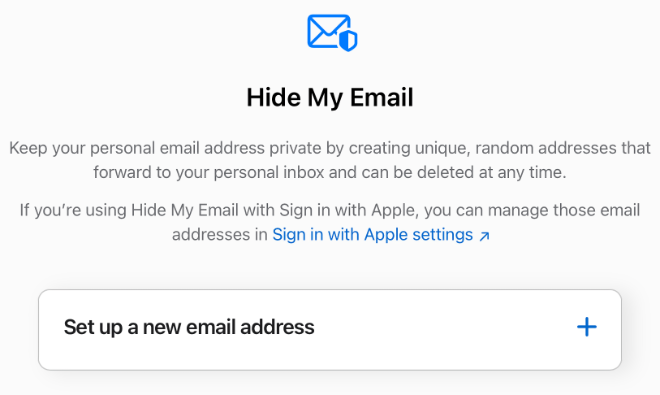
Apple provisions a “Hide My Email” feature within its iCloud sanctuary, generating randomized addresses to safeguard user privacy and veil their authentic identifiers from recipients. Under orthodox circumstances, wielding this utility for privacy preservation is unimpeachable; however, should one’s actions entangle with legal transgressions, the shield of iCloud+ becomes utterly futile, as Apple will readily assist the FBI in unmasking the perpetrator.
On February 28, 2026, Wilkins, the romantic partner of FBI Director Kash Patel, became the recipient of a menacing, terror-laden electronic missive. This correspondence emanated from an iCloud account wherein the sender had marshaled Apple’s services to shroud their true address. Wilkins sought immediate sanctuary with law enforcement. Authorities swiftly served Apple with a formal writ, compelling the surrender of specific telemetry tethered to this alias; in absolute deference to statutory mandates, Apple cooperated and relinquished the authentic intelligence.
Law enforcement expeditiously pinpointed the authentic sovereign of this alias: Alden Ruml, alongside his true electronic address. Judicial archives illuminated that Ruml had exploited the iCloud+ alias functionality to forge 134 clandestine addresses. Under the crucible of interrogation, Ruml confessed to orchestrating the threatening correspondence. His motive sprang from a profound resentment, ignited upon discovering through journalistic dispatches that Wilkins had been enveloped in the protective embrace of FBI security.
While this incident is not an epochal catastrophe in isolation, it has undeniably sowed seeds of skepticism within the community regarding the true efficacy of Apple’s “Hide My Email” feature. Patrons suffer the illusion of absolute anonymity, whilst Apple meticulously archives all underlying telemetry in the shadows, perfectly poised to surrender this data to sovereign authorities when deemed necessary.
Naturally, Apple’s own doctrine elucidates that the fundamental purpose of these randomized addresses is to mitigate the deluge of spam and thwart the tracking of personal intelligence—it was never conceived as a cloak for malefactors to hurl terroristic threats from the darkness. Within its terms of service, Apple explicitly decrees that in scenarios involving grave criminality or imminent peril to physical safety, the conglomerate shall surrender imperative intelligence to law enforcement, encompassing the authentic identity and interconnected ledgers lurking beneath any alias.
Consequently, the community postulates that those yearning for a profoundly more impenetrable sphere of anonymous communion ought to seek sanctuary within end-to-end encrypted mail platforms and esoteric, decentralized architectures. Yet, even armed with such cryptographic bulwarks, the pursuit of absolute, unassailable anonymity remains an exceedingly Herculean endeavor.
Support Our Threat Intelligence
Find our tech and OS security coverage helpful? Support our work today and unlock a 100% ad-free reading experience!
 Buy Me a Coffee
