 Do Son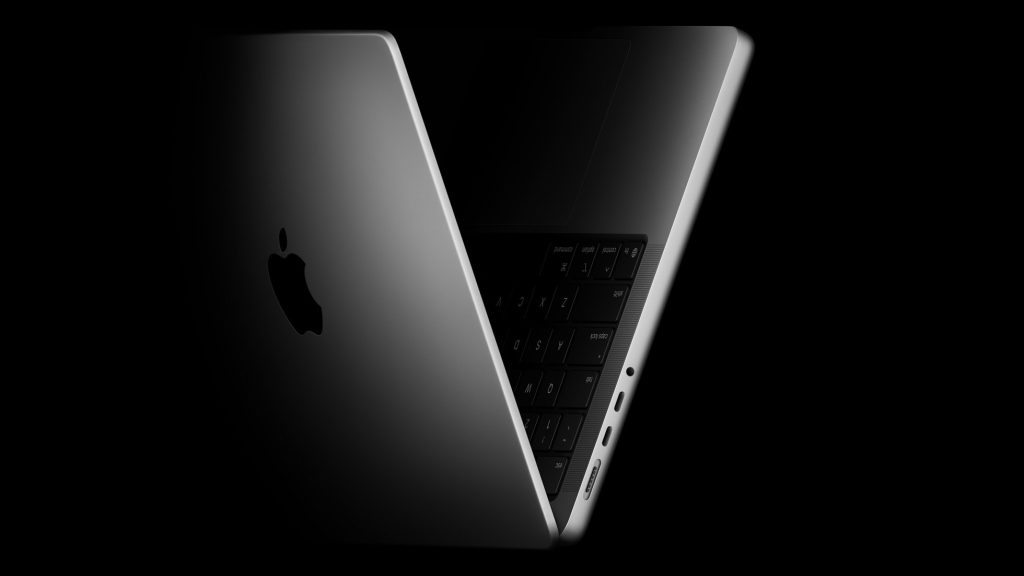
Apple, having long maintained the steadfast conviction that “laptops ought not to possess touchscreens,” appears finally prepared to dismantle this tradition established during the Steve Jobs era. According to the latest industry disclosures, the forthcoming 14-inch and 16-inch MacBook Pro models, slated for an autumn debut, will not only transition to OLED display panels for the first time but will also introduce a touch-optimized “Dynamic Interface” alongside a notebook-specific iteration of the Dynamic Island.
The speculation regarding a touch-enabled Mac has been relentless for years. Now, reports from Bloomberg suggest that the initiative to integrate touch technology into the high-end MacBook Pro has reached fruition, positioned as the centerpiece for this year’s autumnal showcase. To ensure a fluid transition for a macOS ecosystem traditionally beholden to the mouse and trackpad, Apple is eschewing a mere hardware swap in favor of a profound software evolution.
The reports delineate a bespoke “Dynamic Interface” tailored for the new MacBook Pro. Upon detecting tactile engagement, the macOS environment will undergo an elegant transformation:
-
Contextual Menus: Tapping on-screen elements will invoke specialized menus precisely calibrated for touch input.
-
Interface Scaling: To mitigate the imprecision of tactile interaction, various UI elements—including the ubiquitous top menu bar—will automatically expand to enhance accessibility.
-
Intuitive Gestures: The system will support the fluid scrolling and “pinch-to-zoom” mechanics synonymous with the iPhone and iPad experience.
Intriguingly, while the device increasingly mirrors the iPad’s versatility, it will reportedly lack a virtual touch keyboard. The rationale is pragmatic: given the inclusion of the superlative physical Magic Keyboard, an on-screen counterpart would be redundant.
To heighten the allure of this redesign, the new Pro models will abandon current mini-LED technology in favor of OLED displays. This transition promises the same profound contrast ratios and obsidian blacks currently enjoyed by the latest iPad Pro. Crucially, the unique properties of OLED allow Apple to implement the Dynamic Island on a Mac. This signifies that the much-maligned “notch” housing the webcam will evolve into an interactive information hub.
While the Windows ecosystem has long embraced touch-enabled laptops, Apple is undeniably a latecomer to this arena. However, the tech titan possesses a uniquely robust infrastructure for this challenge. In recent years, macOS aesthetics have gravitated toward iOS/iPadOS design languages; furthermore, the Mac Catalyst project and Apple Silicon architecture have already enabled a vast library of touch-native iPad applications to run seamlessly on the Mac.
This pivot marks a seminal shift in Apple’s product philosophy. The late Steve Jobs famously characterized the touch-sensitive Mac as an “ergonomic disaster,” citing the “Gorilla Arm” fatigue caused by prolonged interaction with a vertical display. That physical constraint persists; however, Apple’s contemporary strategy positions touch as a supplementary input method rather than a primary replacement for the trackpad.
By leveraging the thinness of OLED and the synergy of the Dynamic Island, Apple intends to demonstrate that its late entry into the market will be defined by a level of refinement surpassing the traditional Windows PC. This autumn release is destined to be the most consequential disruption to the personal computing market this year.
Support Our Threat Intelligence
Find our tech and OS security coverage helpful? Support our work today and unlock a 100% ad-free reading experience!
 Buy Me a Coffee
