Beyond the Search Bar: Google and Samsung Unleash Gemini 3 “Proactive Agents” on the Galaxy S26
 Do Son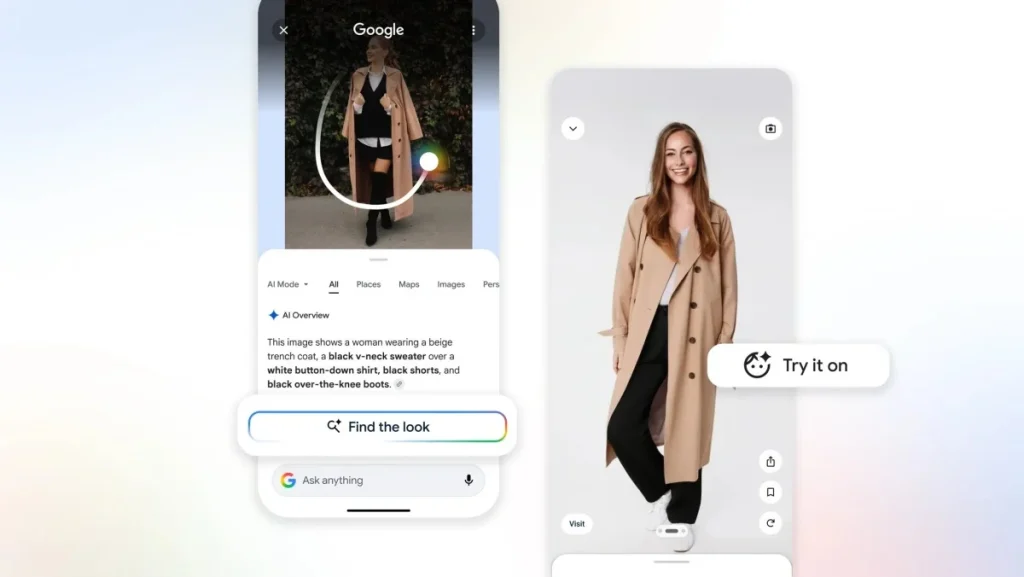
Amidst the official unveiling of the Galaxy S26 series, Samsung has not only integrated Perplexity’s advanced models but has also deepened its alliance with Google to introduce an enhanced suite of Gemini AI functionalities. This collaboration includes a transformative upgrade to Circle to Search, the empowerment of Gemini AI to orchestrate third-party applications for vehicle reservations and culinary orders, and a fortified mechanism for real-time telephonic fraud detection.
These sophisticated AI augmentations will debut on the Galaxy S26 series and concurrently grace Google’s Pixel 10 lineage. The most avant-garde highlight of this update is the introduction of Multi-step tasks, powered by the formidable Gemini 3 model. Transcending the traditional query-and-response paradigm, users may now delegate intricate assignments to the AI—such as summoning a ride or populating a digital grocery cart—thereby utilizing Gemini as a proactive agent for complex logistical management.
Crucially, these operations persist within the system’s background, ensuring an uninterrupted user experience. Gemini provides real-time progress reports via the notification shade, allowing for oversight or mid-process intervention. Initially launching in a beta phase, this feature will support a curated selection of dining, shopping, and transportation partners, including Uber and Uber Eats. At present, this functionality is geographically sequestered to the United States and South Korea for the Galaxy S26 and Pixel 10 series.
The celebrated Circle to Search utility has likewise undergone an expansive metamorphosis. While previous iterations were limited to singular object recognition, the upgraded version can simultaneously identify multiple elements within a frame. For the sartorially inclined, the “Find the Look” feature serves as a quintessential application; by encircling an entire ensemble in a video or image, the AI deconstructs the outfit into constituent items—garments, trousers, and footwear—and facilitates an immediate Virtual Try-On.
To combat the escalating threat of digital deception, Google has embedded a protective layer directly into the system architecture. Leveraging on-device AI, the Call Screening feature within Samsung’s native Phone application now includes Scam Detection. This utility scrutinizes live dialogue for suspicious speech patterns characteristic of fraudulent enterprises, issuing an immediate warning upon detection. To preserve the sanctity of personal privacy, this feature is “opt-in” by default and remains dormant during conversations with recognized contacts. This same logical framework extends to Google’s native Messaging application to intercept fraudulent SMS. Currently, telephonic scam detection is exclusive to English-speaking users in the United States, whereas SMS protection has commenced a broader global deployment.
Support Our Threat Intelligence
Find our tech and OS security coverage helpful? Support our work today and unlock a 100% ad-free reading experience!
 Buy Me a Coffee
