The Purified Desktop: Brave Software Launches Premium, Unfettered “Origin” Browser
 Do Son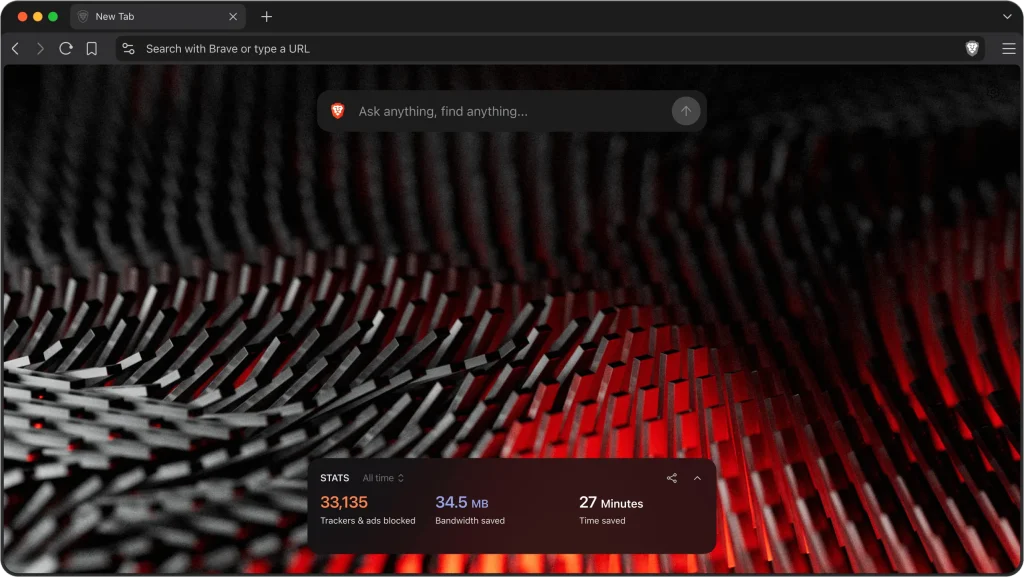
Browser pioneer Brave Software recently unveiled Brave Origin. Fundamentally, this paid utility serves as an ultra-minimalist iteration of their traditional software. The premium build entirely excises cryptocurrency features, artificial intelligence components, and rewards systems. Consequently, this design provides a streamlined, sanctuary-like environment that honors individual user privacy.
Consumers can acquire this platform through a perpetual, per-device purchase model. Specifically, a single authorization accommodates synchronization across 10 devices. However, an intriguing exception exists for the Linux community. Open-source operators can access Brave Origin entirely free of charge, assuming they forgo cross-platform data synchronization.
Architectural Distribution and Licensing Matrices
Each standalone license commands a one-time fee of 59.99 dollars. Furthermore, this purchase facilitates deployment on up to 10 devices.
- macOS and Windows Platforms: Operators can execute standalone installations or transition from standard configurations. Nonetheless, these platforms require full financial remittance.
- iOS and Android Ecosystems: Mobile users can upgrade their existing applications to the premium variant. However, separate application packages do not exist for mobile marketplaces.
- Linux Distributions: Desktop users can download standalone instances directly or upgrade automatically without any monetary obligation.
Backlash Over the Monetization of Simplicity
Predictably, this premium pricing structure provoked sharp criticism from multiple loyal patrons. These enthusiasts argue that Brave initially promised to shield consumers from aggressive internet advertisement layers. Over time, however, the browser itself transformed directly into a corporate monetization platform. Furthermore, critics believe that engineers should allow users to disable redundant components natively without financial penalties.
Nevertheless, open-source software inevitably requires reliable revenue streams to survive. If Brave permitted standard users to delete all profit-driven features gratuitously, the firm could no longer fund continuous engineering development. Ultimately, this friction revives a classic philosophical debate. Users must choose between surrendering personal privacy for free utility or paying capital to safeguard their digital sovereignty.
Support Our Threat Intelligence
Find our tech and OS security coverage helpful? Support our work today and unlock a 100% ad-free reading experience!
 Buy Me a Coffee
