 Do Son
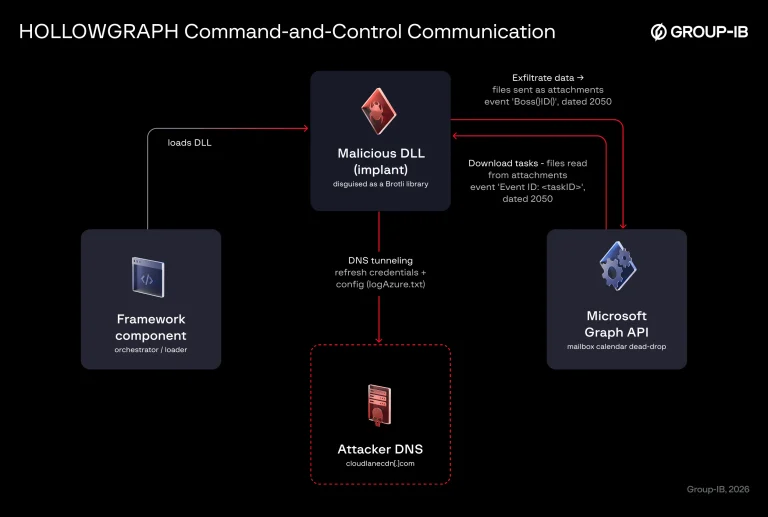
HOLLOWGRAPH malware turns Microsoft 365 calendars into covert C2 through Microsoft Graph API abuse. Group-IB links it to the Cavern framework.
Malware
Malware news and in-depth analysis of the malicious software targeting organizations and users. We cover new ransomware strains, infostealers, loaders, remote access trojans and botnets, explain how they are delivered and how they work, and highlight the campaigns using them. Where available, reports include indicators of compromise and defensive guidance from researchers.
CrashStealer is a native C++ macOS infostealer posing as Apple's crash reporter. Jamf details its notarized dropper, AES-GCM theft, and persistence.

LabubaRAT is a Rust-based remote access tool disguised as NVIDIA software. It supports HTTPS, WebView2, and DNS tunneling for command and control.
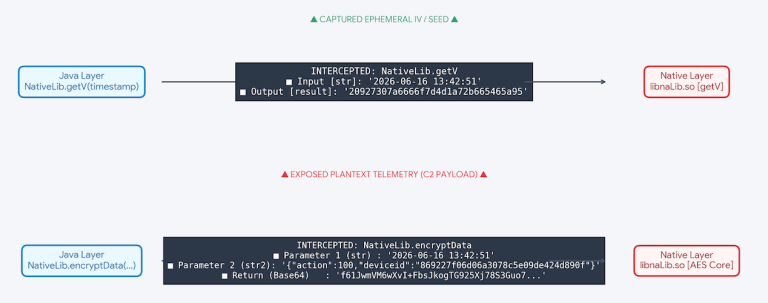
The GoldPickaxe banking Trojan returns, stealing biometric data, SMS, and lock screens from Android users across Asia, Zimperium warns.
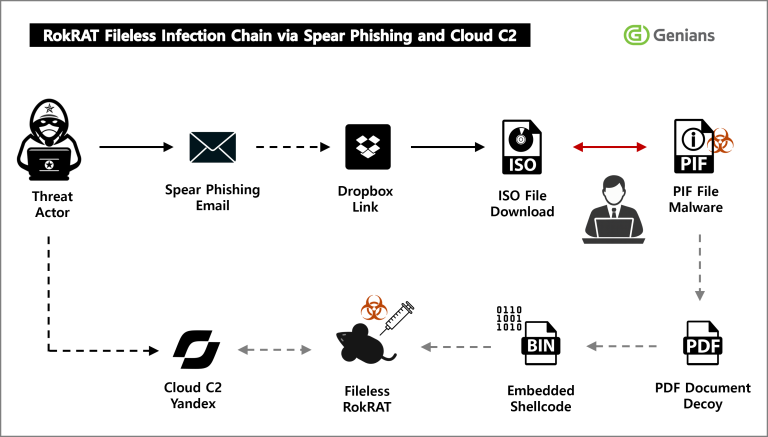
Genians exposed Operation Capsule Vault, an APT37 campaign. The RokRAT malware hides inside a fake PDF to spy on academics and researchers.
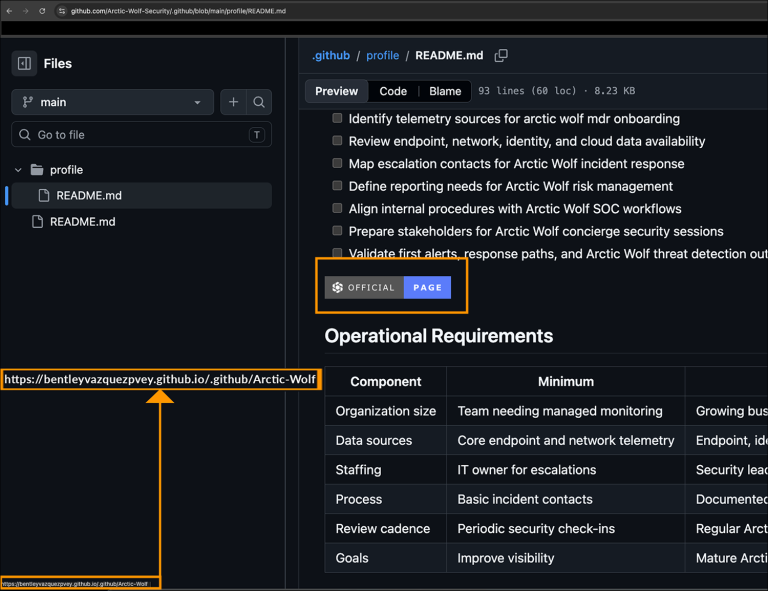
Arctic Wolf found 292 fake GitHub repositories impersonating software vendors to deliver a BoryptGrab-lineage infostealer via DLL side-loading.

Doctor Web found a supply chain trojan targeting software developers. This developer-targeting malware steals data, crypto wallets, and mines coins.

Albiriox malware spreads via a fake UniCredit reward and a Telegram bot. The Android banking trojan abuses Accessibility to steal OTPs and hijack devices.

Microsoft exposes the GigaWiper backdoor, a destructive tool that bundles disk wiping malware, fake ransomware, and remote control in one implant.
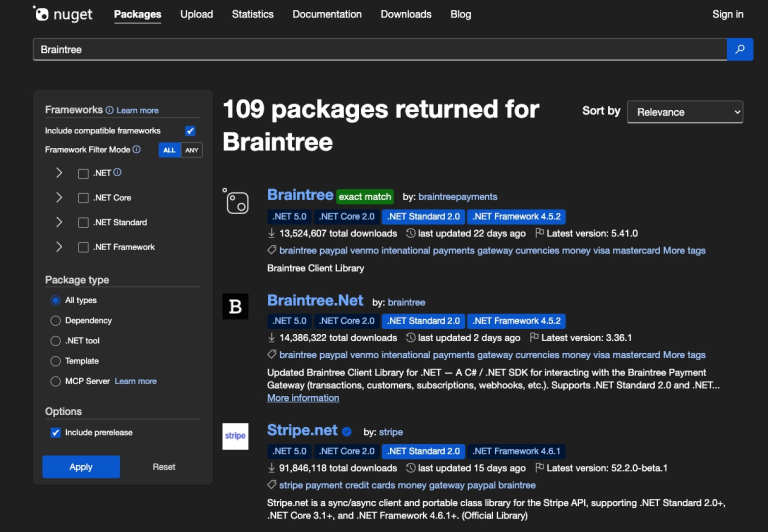
A malicious NuGet package, Braintree.Net, acts as a credit card skimmer and steals merchant API keys. The Braintree NuGet typosquat hits .NET devs.

A CrySome RAT phishing attack used a fake freight rate confirmation to bypass AMSI, disable Defender, and steal browser credentials on Windows.
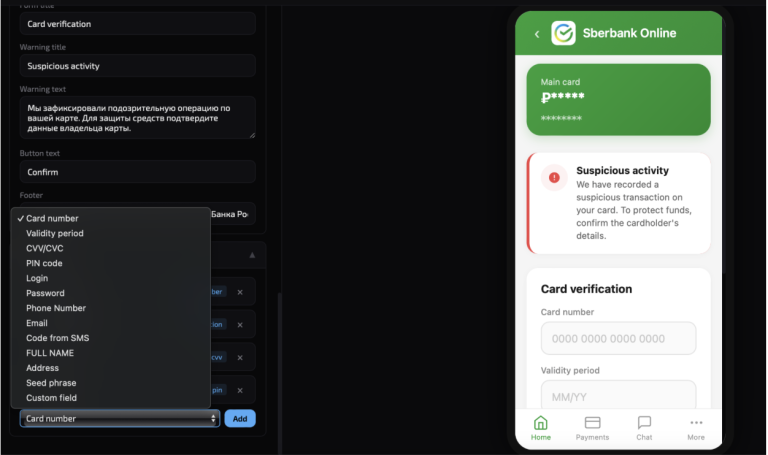
RedWing Android malware is a rental spyware sold as malware-as-a-service on Telegram. It steals banking logins, intercepts 2FA, and hijacks phones.

GodDamn ransomware is the latest Beast ransomware rebrand from Hyadina. It uses a Microsoft-signed malicious kernel driver, PoisonX, to disable EDR.

A LNK phishing attack drops a Node.js backdoor and hides its C2 on the TON blockchain using EtherHiding, LevelBlue reports.
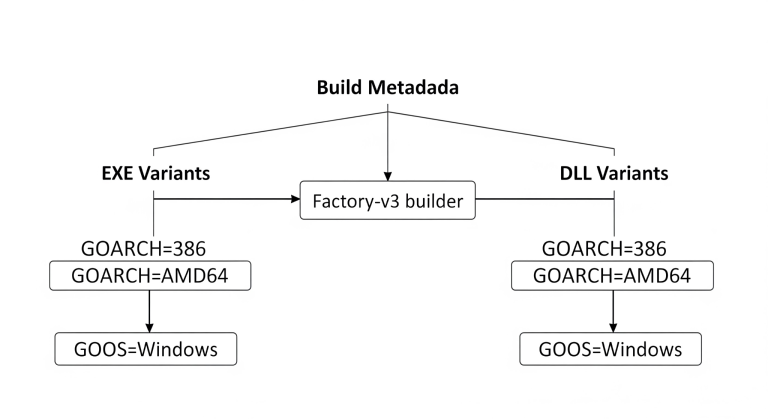
A new Vidar stealer campaign uses the Factory-v3 loader and fake certificates to deploy malware. Learn how attackers hide XMRig and bypass security.

A massive ScreenConnect AsyncRAT campaign uses SEO poisoning and spoofed websites to drop malicious installer archives via remote monitoring tools.

Discover how the Mycelium Framework transforms infected machines into a malicious AI-as-a-Service botnet for distributed computing and automated exploits.
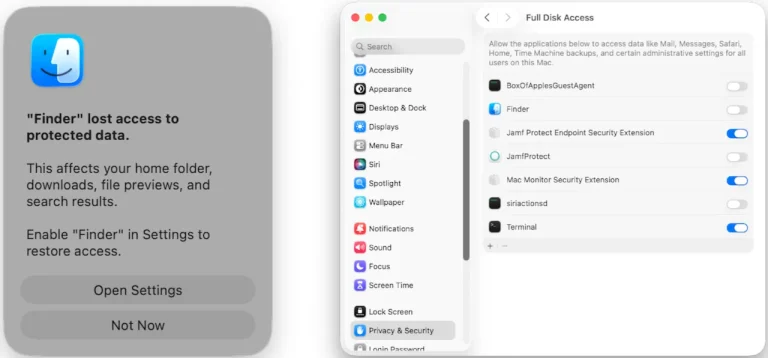
PamStealer macOS malware hides in a fake Maccy app and drops a Rust infostealer that checks your password via PAM before stealing it.

Sysdig documented JADEPUFFER, the first agentic ransomware run end-to-end by an AI agent. It breached Langflow via CVE-2025-3248 and extorted a database.
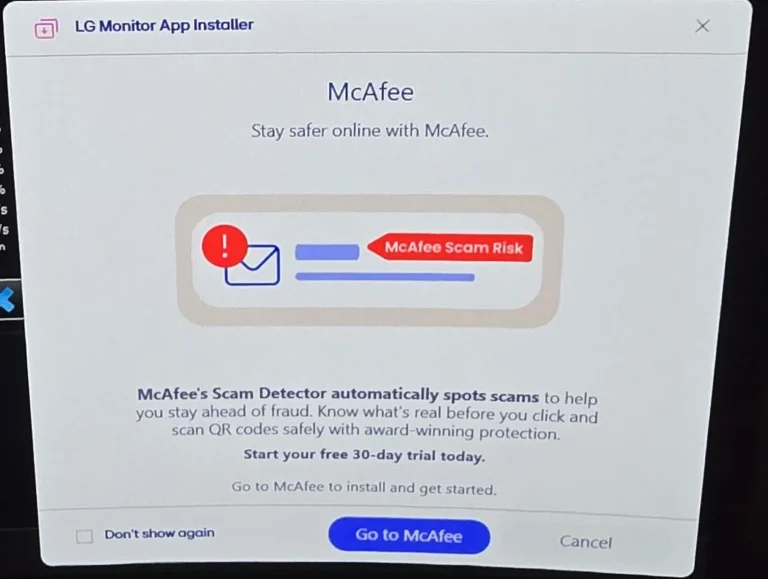
Discover how hidden LG monitor adware automatically installs unwanted McAfee pop-ups on your PC. Learn how to stop this intrusive bloatware today.
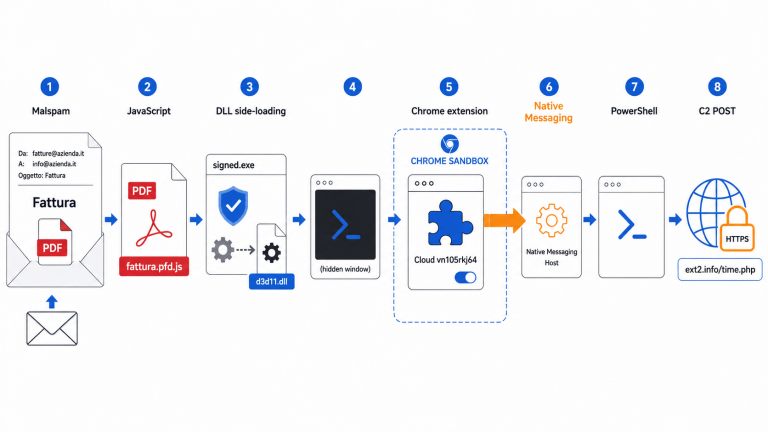
A Native Messaging backdoor pairs a malicious Chrome extension with a local host to run PowerShell, escaping the browser sandbox, says D3Lab.

Veil#Drop malware abuses Blogspot to run PowerShell loaders and deploy PureLog Stealer in memory, dodging antivirus and file-based detection.