
 Do Son
GrayBravo MaaS uses CastleRAT to target logistics/hospitality. The RAT hides its C2 by using Steam Community profiles as Dead Drop Resolvers, bypassing network monitoring.
Cybercriminals
Cybercrime news focused on the people and groups behind attacks. This section profiles ransomware gangs, state-backed APT groups, initial access brokers and fraud operations, and follows the tools and tactics they use. You will also find reports on arrests, indictments, sanctions and law enforcement takedowns of criminal infrastructure around the world.

GreyNoise detected a coordinated mass scanning campaign where 7,000+ IPs (from 3xK GmbH) probed Palo Alto GlobalProtect portals and SonicWall SonicOS API endpoints using identical client fingerprints.
China-linked APT UNC5174 is using a Go-based backdoor that abuses the Discord API as a covert C2 channel. This method allows the lightweight malware to execute arbitrary commands and evade traditional firewall monitoring.

The DOJ seized tickmilleas.com, a domain central to "pig butchering" crypto fraud run from Burma's Tai Chang compound. The action is part of a rapid escalation against transnational organized crime scams.

Europol dismantled the centralized mixer CryptoMixer, which laundered over €1.3B in Bitcoin since 2016. Authorities seized three servers and confiscated more than €25M in digital assets.

Operation Hanoi Thief targets Vietnam with a pseudo-polyglot LNK/image file that executes malicious code via ftp.exe. The attack deploys LOTUSHARVEST stealer via DLL sideloading to steal Chrome/Edge credentials.

Darktrace exposed TAG-150, a new MaaS operator compromising 469+ US devices in months. The group uses ClickFix to trick victims into running malicious PowerShell that deploys the CastleLoader/CastleRAT backdoor.

Qilin & North Korean hackers launch "Korean Leaks," a massive supply chain attack on South Korea's financial sector via a compromised MSP.

South Korea’s largest exchange, UPBIT, was hacked for $369M in Solana tokens from its hot wallet, forcing a withdrawal suspension. The exchange vows full user compensation.
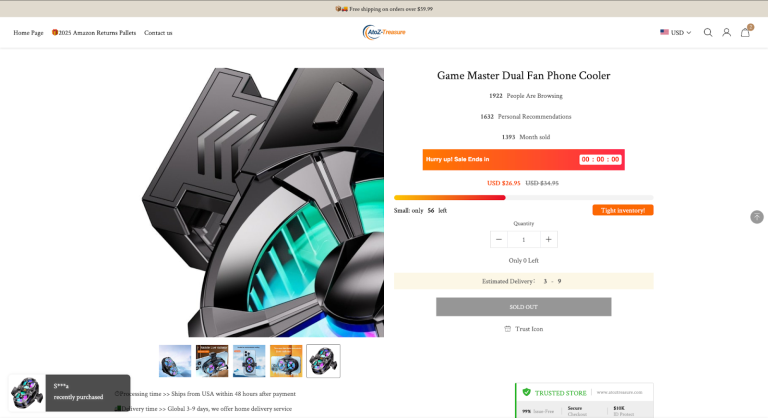
CloudSEK exposes a massive network of Amazon clones and 200k fake .shop domains targeting Black Friday shoppers. Learn how to spot these holiday scams.

Unit 42 reveals how malicious LLMs like WormGPT 4 and KawaiiGPT weaponize AI to automate ransomware and phishing, democratizing cybercrime for all.

Orange Cyberdefense’s CyberSOC and CSIRT teams have uncovered a new wave of Operation DreamJob attacks, revealing updated...

Acronis exposed TamperedChef, a global campaign using US shell companies to sign trojanized apps. The malware deploys a stealthy, obfuscated JavaScript backdoor via a scheduled task for long-term persistence.

CISA, NSA, and FBI released a guide to dismantle Bulletproof Hosting (BPH) networks. It advises ISPs on precision filtering and stricter vetting to curb infrastructure used by ransomware and phishing campaigns.

Broadcom exposed a group deploying multiple RMM tools (ScreenConnect, LogMeIn, Naverisk) weeks apart to achieve redundant persistence. The likely Initial Access Broker (IAB) prepares systems for resale.

Dutch police seized 250 servers from a bulletproof hosting provider (CrazyRDP) used by cybercriminals since 2022, facilitating over 80 cybercrime investigations.

The DOJ announced five guilty pleas and $15M in crypto forfeiture seized from APT38. Facilitators helped North Korean IT workers fraudulently earn $2.2M from 136 US companies to fund the DPRK regime.

Cisco Talos reports Kraken, a HelloKitty successor, is a cross-platform RaaS targeting Windows/ESXi. The malware uniquely benchmarks CPU/IO to optimize encryption speed and uses Cloudflared/SSHFS for persistence.

Group-IB exposed an automated PhaaS kit that impersonates Aruba S.p.A. to steal credentials, credit card details, and OTPs. The multi-stage scam uses a CAPTCHA filter and Telegram for real-time exfiltration.

Australia imposed sanctions and travel bans on four entities and one individual for engaging in cybercrime to fund North Korea's WMD and missile programs. The regime stole $1.9B in crypto in 2024.

CRIL exposed fileless phishing using malicious HTML attachments. Credentials are stolen via a fake Adobe login and instantly exfiltrated to Telegram bots, bypassing traditional domain filters.

Medusa & DragonForce RaaS groups weaponize SimpleHelp RMM flaws (CVE-2024-57726/7/8) to gain SYSTEM-level access to customer networks. Immediate patch needed.