Europol Shuts Down CryptoMixer, Seizes €25 Million in Bitcoin & 12 TB of Data
 Do Son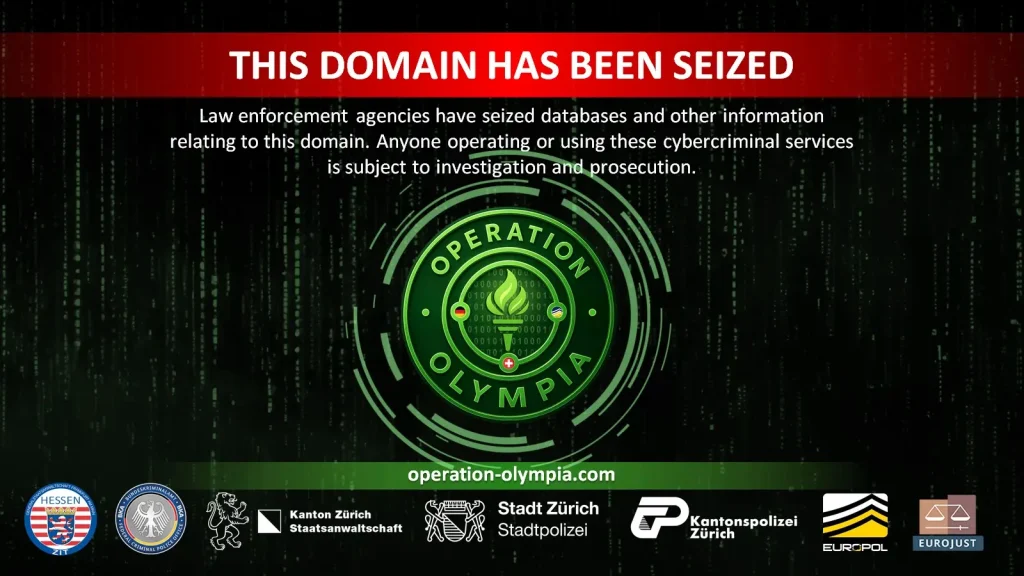
Europol recently disclosed that, during a coordinated operation, it successfully dismantled the mixing service CryptoMixer, a platform long used by cybercriminals to obscure illicit cryptocurrency flows. In the course of the operation, investigators seized more than €25 million in digital assets—primarily Bitcoin. Since 2016, the service had processed over €1.3 billion worth of Bitcoin.
CryptoMixer operated as a centralized, custodial mixing service, maintaining sites on both the clear web and the dark web. Its mechanism involved pooling user deposits, delaying redistribution at random intervals, and disbursing funds anew—thereby obscuring the transactional trails that would otherwise be visible on the blockchain.
Law enforcement seized three servers hosting the platform and confiscated more than 12 terabytes of data. The primary domain, cryptomixer.io, has also been taken offline and now displays an official seizure notice. It remains unclear whether the operators behind the service have been apprehended.
While mixing services are often associated with crime, they also attract users seeking enhanced financial privacy. Their core principle lies in blending lawful and unlawful funds together before sending them out, making it exceedingly difficult for investigators or blockchain-analysis firms to trace the origins and ultimate destinations of illicit assets.
Europe has previously taken similar action, including the seizure of the prominent mixer Bitcoin Frog and the arrest of its developer—moves that sparked intense debate within the cryptocurrency community. Nonetheless, from the perspective of law enforcement, such services significantly complicate investigations, and thus remain prime targets for enforcement.
The case of CryptoMixer—being a centralized mixer—is especially noteworthy. Because centralized mixers depend on custodial servers, authorities are able to seize both the infrastructure and the funds, as evidenced by the more than €25 million recovered in this operation. Decentralized mixers, by contrast, are far less susceptible to such interventions, with little or no recoverable funds. The episode serves as a stark warning to the cryptocurrency industry: the reliability and security of centralized mixing services remain deeply uncertain.
Related Posts:
- Meta Quest 3 Gets Windows 11 Virtual Desktop—Bringing Mixed Reality to the Masses
- Dark web marketplace RaidForums shuts down
- Phishing, Fraud, and Stolen Data: Europol Takes Down Cybercrime Network
- Android Gets New “System Services” Page: Google Boosts Transparency for Background Apps
Support Our Threat Intelligence
Find our threat intelligence and malware analysis helpful? Support our work today and unlock a 100% ad-free reading experience!
 Buy Me a Coffee
