
 Do Son
A new report from Infoblox reveals the shocking scale of VexTrio, a 15-year-old cybercrime syndicate that profits from a massive network of scams and fake apps.
Cybercriminals
Cybercrime news focused on the people and groups behind attacks. This section profiles ransomware gangs, state-backed APT groups, initial access brokers and fraud operations, and follows the tools and tactics they use. You will also find reports on arrests, indictments, sanctions and law enforcement takedowns of criminal infrastructure around the world.

A targeted phishing campaign against Israeli organizations uses a PowerShell-based RAT and compromised internal emails for delivery, making detection difficult.

A new advanced phishing kit, PoisonSeed, bypasses MFA with AitM techniques to steal credentials and launch cryptocurrency scams. NVISO uncovers the tactics.

A coordinated campaign by GreedyBear used 150+ malicious Firefox extensions and fake sites to steal over $1M in crypto. They are now using a new technique called Extension Hollowing to evade detection.

S2W TALON exposes ScarCruft (APT37), a North Korean APT using a new campaign disguised as a postal notice, deploying NubSpy and VCD ransomware via PubNub C2.

CloudSEK warns of a surge in Raksha Bandhan-themed phishing, fake websites, and UPI scams in India. Attackers use courier lures, fake e-stores, and social engineering to steal money.

GitLab researchers uncovered a crypto scam on PyPI. Typosquatted Bittensor packages hijacked staking functions to silently drain users' crypto wallets.

A new report reveals Chinese-speaking smishing syndicates are using phishing-as-a-service, MFA bypass, and stolen cards to conduct a multi-billion dollar fraud campaign targeting digital wallets.

Google confirms a June Salesforce breach by UNC6040 (ShinyHunters). The attack used social engineering to steal credentials, a tactic also used against Chanel and Allianz.

Unit 42 reveals Project AK47, a toolkit used by Storm-2603 to exploit SharePoint. It includes a custom AK47C2 framework and links to both LockBit and Warlock ransomware.

The DFIR Report details a destructive attack: Bumblebee malware, delivered via SEO poisoning in Bing search results, led to a full Akira ransomware deployment in under 44 hours.

Mustang Panda, a China-aligned APT, is using the ToneShell backdoor to target government and military sectors with phishing and DLL sideloading, masquerading as a legitimate Chrome component.

SentinelLABS exposes a crypto scam using AI-generated YouTube videos to trick users into deploying malicious smart contracts, siphoning off hundreds of thousands in ETH.

Zscaler reveals an AI-powered phishing campaign targeting Brazilian users. DeepSite AI and BlackBox AI generated fake government websites to steal Pix payments and personal data.
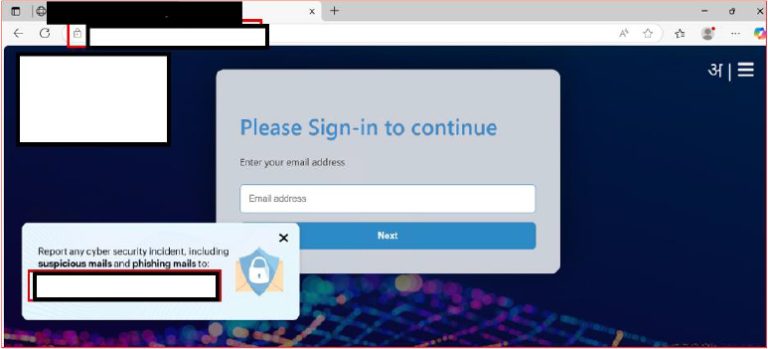
APT36, a Pakistan-linked threat actor, is targeting Indian government officials with phishing campaigns that mimic official websites to harvest credentials and Kavach MFA OTPs in real time.

Veracode warns of a North Korean cyber-espionage campaign using malicious NPM packages to spread Beavertail malware and steal crypto from developers via fake interview tasks.

A new report reveals Kimsuky, a North Korea-linked APT, is using sophisticated LNK files and reflective payloads to infiltrate systems and conduct cyberespionage against South Korean targets.
ShadowSyndicate’s Global Ransomware Empire Blurs Lines Between Cybercrime and Geopolitical Espionage

ShadowSyndicate’s Global Ransomware Empire Blurs Lines Between Cybercrime and Geopolitical Espionage
A new report exposes ShadowSyndicate, a sophisticated cybercrime group tied to top-tier RaaS affiliates, bulletproof hosting, and suspected geopolitical influence operations, blurring lines between cybercrime and espionage.

Check Point Research uncovers Storm-2603, a China-linked APT using a custom AK47C2 framework and BYOVD tactics to deploy multiple ransomware strains simultaneously.

A DomainTools report exposes how North Korean IT workers use fake IDs, AI, and shell companies to infiltrate remote tech jobs globally, funding the regime's military and compromising corporate infrastructure.

Proofpoint reveals an AiTM phishing campaign using fake OAuth apps and the Tycoon platform to bypass MFA, hijack Microsoft 365 accounts, and steal credentials.

A CoinDCX software engineer, Rahul Agarwal, has been arrested in connection with a $44M crypto heist after an internal probe linked the breach to his compromised work laptop.