 Do Son
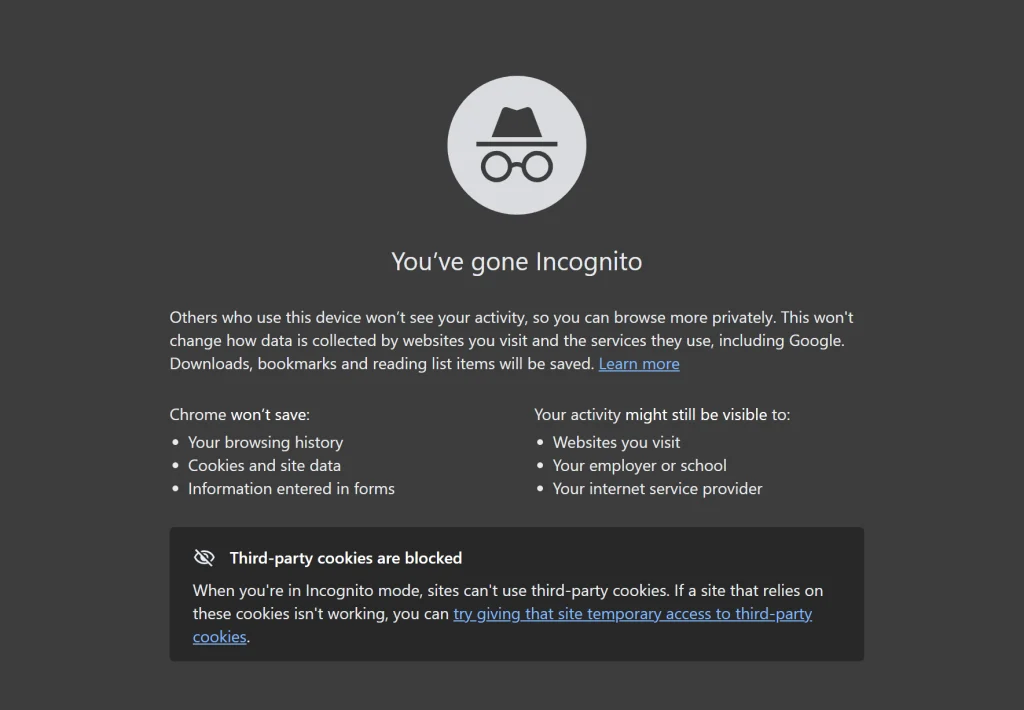
Google is enhancing privacy-centric browsing modes with automated threat inspection. Specifically, engineers are bringing Chrome Incognito Safe Browsing real-time checks to private and guest windows. This architecture helps users identify emerging phishing websites and malicious downloads faster. Furthermore, the defensive upgrade neutralizes fleeting web threats before local blacklists update. Consequently, private window navigation receives the same rapid protection as standard browsing.
Addressing Ephemeral Phishing Hazards
Historically, browser security relied on locally stored threat databases. These internal lists synchronize every thirty to sixty minutes across client endpoints. However, modern adversary infrastructure evolves with remarkable velocity. Cybercriminals often launch phishing domains and decommission them within mere minutes.
Therefore, relying solely on cached threat intelligence creates significant defensive latency. Standard browsing profiles already mitigate this hazard through real-time cloud queries. Conversely, Incognito and Guest modes previously depended on local cached records. Consequently, private windows remained exposed to newly surfaced phishing schemes.
Chromium Implementation and Memory Isolation
To resolve this protection gap, developers updated the underlying browser codebase. As detailed in the Chromium code review for Safe Browsing checks, the patch merged into the main branch. Upcoming public releases will deliver this capability to all desktop and mobile installations.
However, verifying visited addresses in real time introduces delicate privacy considerations. Security-focused individuals frequently express concern that external queries might expose their browsing histories. To alleviate these apprehensions, the architecture uses truncated cryptographic hashes. Specifically, client browsers convert destination addresses into hashed strings before transmitting partial identifiers.
Zero-Trace Session Ephemerality
Furthermore, lookup queries route through independently operated privacy proxy servers. This multi-hop relay ensures that threat verification engines cannot correlate user IP addresses with visited destinations. Additionally, private browsing sessions initialize an isolated, ephemeral checking instance.
All temporary cryptographic keys reside strictly within active volatile memory. When a user terminates an Incognito session, the operating system purges local cached data and system RAM immediately. Ultimately, this isolated approach balances real-time phishing protection with strict confidentiality.
Support Our Threat Intelligence
Find our tech and OS security coverage helpful? Support our work today and unlock a 100% ad-free reading experience!
 Buy Me a Coffee
