 Do Son
Accelerated App Launches
Mozilla is actively optimizing its flagship browser for Microsoft’s desktop operating system. Specifically, developers are implementing Firefox startup acceleration within Windows 11. Once completed, the browser will receive link requests from external applications almost instantaneously. Preliminary evaluations show handoff latency plummeting from seventy milliseconds down to a mere three milliseconds. Consequently, users will experience immediate response times across daily workflows.
Eliminating Redundant Process Creation
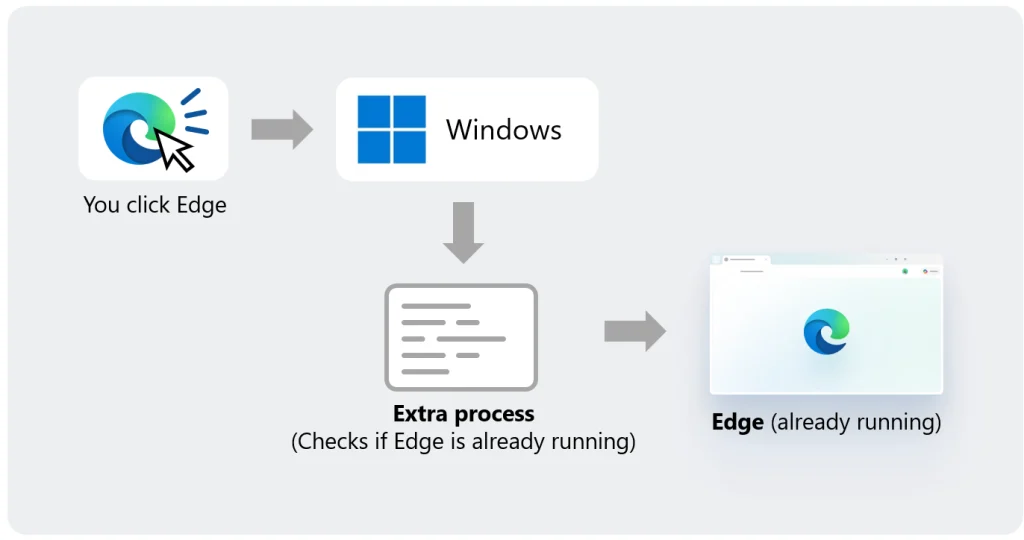
Traditional application architectures rely on temporary processes to verify active browser windows. Specifically, Windows launches an intermediate process, inspects existing sessions, and routes the Uniform Resource Identifier. Afterwards, the intermediary process terminates immediately. However, this redundant cycle consumes valuable central processing cycles during heavy multitasking.
In contrast, the modernized protocol registers a dedicated receiving window directly with the operating system. Windows delivers external launch triggers directly to the active session without intermediate handoffs. Therefore, this mechanism eliminates unnecessary process creation entirely. Users can inspect the active patch development within the Mozilla Bugzilla tracking report for app acceleration.
Warm Launch Prerequisites and Multi-Profile Routing
Crucially, this optimization benefits warm launches rather than cold initial boots. The acceleration architecture requires an active browser instance running in the background. Senders who enable startup at login will enjoy perpetual responsiveness. However, engineers must resolve architectural edge cases before broader distribution.
Specifically, Mozilla developers must handle scenarios where users operate multiple browser profiles concurrently. Operating system delegates must determine which specific profile instance should handle incoming links. Furthermore, early builds manage this functionality behind an experimental, opt-in preference flag.
Upstream Contributions to the Chromium Ecosystem
Simultaneously, Microsoft is contributing its proprietary Edge acceleration engineering directly to the open-source Chromium repository. Consequently, competitors such as Google Chrome and Brave will adopt equivalent architectural speedups soon. Ultimately, collaborative browser optimization ensures superior desktop responsiveness across the entire Windows 11 platform.
Support Our Threat Intelligence
Find our tech and OS security coverage helpful? Support our work today and unlock a 100% ad-free reading experience!
 Buy Me a Coffee
