 Do Son
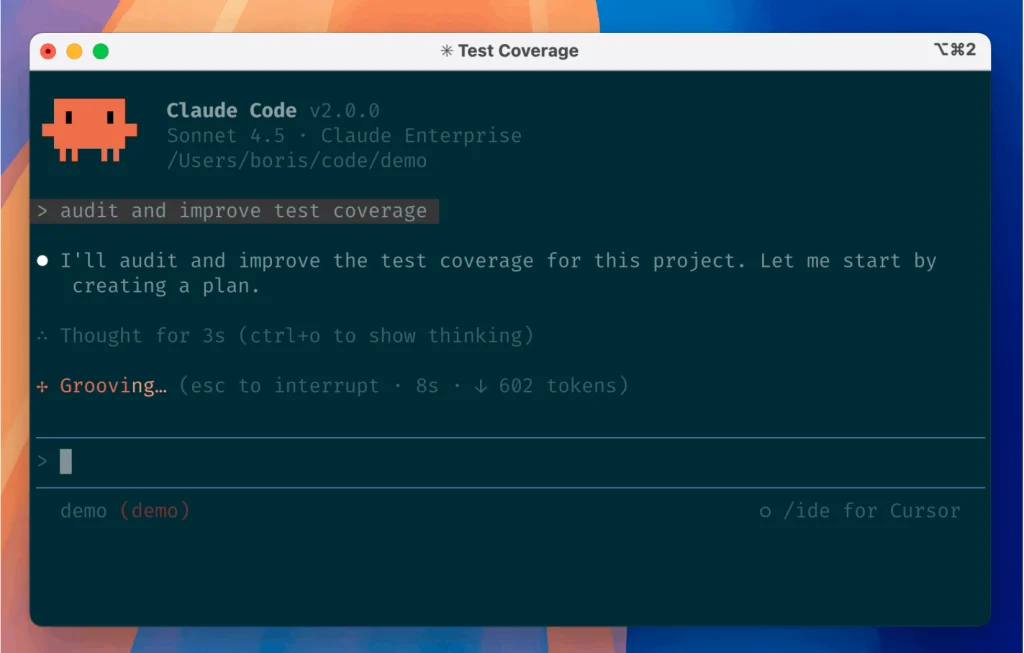
Software engineers recently discovered an unexpected privacy exposure within Anthropic’s command-line coding assistant. Specifically, an unintended Claude Code email leak exposed verified developer addresses to remote web servers. According to community discussions on Hacker News regarding the Claude Code leak, several affected developers received waves of fraudulent phishing emails. Consequently, programmers urged Anthropic to eliminate automated identity transmission across external network requests.
User-Agent Strings and Targeted Phishing
The vulnerability occurred whenever the artificial intelligence assistant performed web searches or executed curl commands. During these automated actions, the tool embedded the authenticated user’s email directly into the HTTP User-Agent header. Because web servers log complete client strings, external administrators harvested verified developer identities effortlessly.
Furthermore, telemetry discussions in Claude Code issue 107757 on GitHub revealed that headers occasionally contained project directory names. Therefore, malicious server operators could easily correlate corporate repositories with specific employee email accounts.
Context Injection Behind the Leak
Anthropic engineers promptly clarified why the client included sensitive contact records within outgoing network traffic. Originally, users complained that the model generated fictitious names within software author annotations. To resolve this issue, developers injected the subscriber’s account email directly into the active model prompt context.
However, the autonomous agent subsequently reused that contextual email when populating mandatory contact fields for remote websites. Consequently, this architectural design inadvertently exposed personal credentials during routine web interactions.
Remediation Patches and Defensive Auditing
To remediate this exposure, Anthropic deployed rapid updates across software distribution channels. Specifically, version 2.1.317 introduced a dedicated privacy plugin enabled by default for all users. Subsequently, version 2.1.321 implemented strict blocking rules for shell commands that combine account emails with User-Agent arguments.
Engineers also pledged to purge account email addresses entirely from future model context prompts. Meanwhile, developers should upgrade their local installations and audit external network scripts for sensitive data exposure. Ultimately, proactive credential isolation shields developer workstations from sophisticated social engineering campaigns.
Support Our Threat Intelligence
Find our threat intelligence and malware analysis helpful? Support our work today and unlock a 100% ad-free reading experience!
 Buy Me a Coffee
