 Do Son
TL;DR
Calif researcher Carlos Roque published a public proof-of-concept (PoC) exploit on November 26, 2026, for a Tor Browser IP leak (CVE-2026-92027, CVSS 8.8). The four-stage chain hits Tor Browser 15.0.22 under default settings to bypass Tor and reveal a user’s real IP. Therefore, users on older builds must update to 15.0.23 or newer now.
- CVE: CVE-2026-92027
- CVSS: 8.8 (High · CVSSv3)
- Product: Mozilla Firefox
- Impact: Use-after-free in the DOM: Streams component
- Status: No confirmed exploitation yet
- Patched in: 115.41, 140.16, 153.3, 156
- EPSS: 0.3% (30-day)
- Action: Update to 115.41, 140.16, 153.3, 156 now
Why It Matters
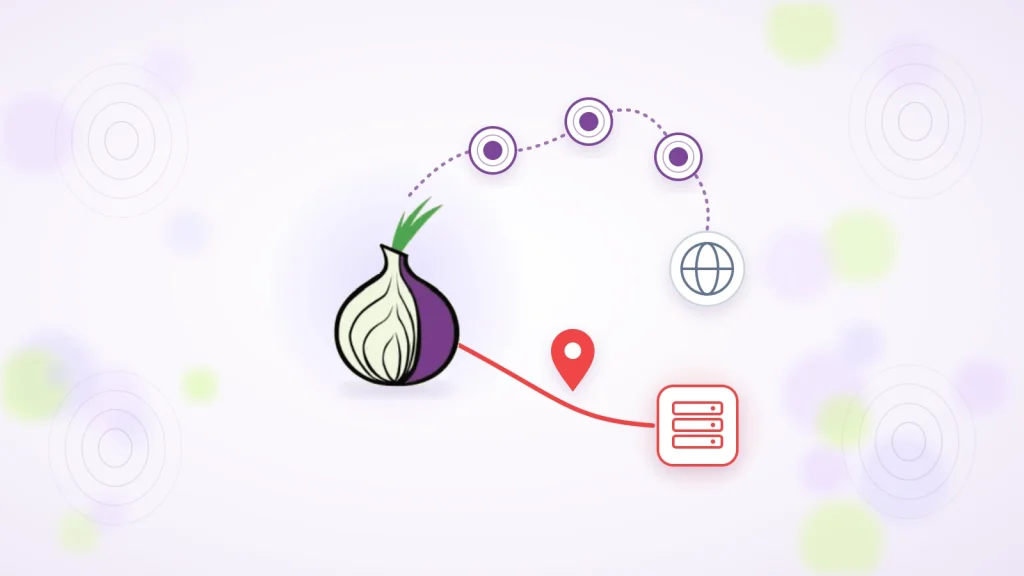
The Tor Project estimates that more than four million people use Tor to stay private online. Journalists, activists, and security staff rely on Tor Browser to hide their real IP from sites they visit. Normally, Tor routes web traffic through three hops so a site sees only the exit node IP. However, this Tor Browser de-anonymization chain breaks that boundary with one click.
In the TORtilla with Onion report, Calif warns, “The whole point of Tor Browser is to hide the user’s IP address, so leaking that address undoes the protection that routing through the network provides.” Notably, the chain starts with CVE-2026-92027, a high-risk use-after-free bug in Mozilla’s Gecko engine. Mozilla fixed the bug on September 15, 2026, in Firefox 156 and ESR 140.16. The Tor Project shipped Tor Browser 15.0.23 the same day.
Even so, a working public PoC raises the risk for anyone still running an older release. At press time, Mozilla, the Tor Project, and CISA have not confirmed active attacks in the wild. Still, public code lowers the bar for threat groups trying to unmask unpatched users on hostile sites.
How the Attack Works
Calif’s exploit runs in four phases against Tor Browser 15.0.22 on Linux with default settings. First, the user loads a web page and clicks once so the site can open a same-origin popup. Next, the chain turns a browser memory flaw into a direct TCP connection outside Tor.
Phase 1: Cross-Realm Use-After-Free in ReadableStream
Stage one triggers CVE-2026-92027 inside Gecko’s DOM Streams code. Both the main page and its popup share an origin, yet they run in two separate JavaScript realms. The popup passes a large buffer to a Bring Your Own Buffer (BYOB) reader tied to the opener’s stream. Then, the opener saves a view of that buffer, errors the stream, and clears references to spark garbage collection.
Because Gecko loses track of the buffer’s owner across realms, garbage collection frees the memory while the saved view stays live. The exploit runs this trick twice. First, a 64 MiB pass leaks C++ vtables to beat ASLR and locate libxul. Second, a 512 MiB pass maps allocator runs to find the exact address of controlled heap memory.
Phase 2: Allocator Manipulation and ROP Execution
Next, the chain uses that controlled heap region to hijack code flow in the renderer. Specifically, it edits a mozjemalloc run header so it points to a fake size-class bin. When the popup frees one slot, the allocator overwrites a global observer service pointer inside libxul.
After that, the page builds a fake C++ object and vtable in memory, then calls console.error(). Logging forces Gecko to jump through the fake vtable and start a Return-Oriented Programming (ROP) chain. As Calif states, “Our ROP chain still runs under Tor Browser’s level-6 Linux content sandbox.” It does not need a full OS sandbox escape to cause a Tor Browser IP leak.
Phase 3: Forging Privileged Session History
Third, the ROP chain abuses trust between the content process and the parent process. Using native functions in libxul, it builds a forged SessionHistoryInfo entry with Firefox’s System principal and a crafted about:devtools-toolbox URL. Next, it sends standard IPC messages to swap the active history entry and ask the parent to reload it.
Because the parent trusts the supplied URI and principal for a new shared ID, it loads the forged page with system rights. Calif notes, “ROP has not been executed in the parent; it has made the parent perform a legitimate navigation using false authority.”
Phase 4: Direct TCP Connection Outside Tor
Finally, the privileged DevTools page reads the attacker’s host and port from its URL parameters. It then calls the internal socket service to open a raw TCP link from the parent process. Because that socket skips Tor’s SOCKS proxy rules, the TCP handshake hits the attacker’s server directly. Even with no DevTools login, the listener logs the victim’s real public IP or VPN address, completing the Tor Browser de-anonymization.
Affected Versions
- Tor Browser: Version 15.0.22 and earlier (fixed in 15.0.23 and current 16.0.x builds).
- Mozilla Firefox: Versions before 156.
- Mozilla Firefox ESR: Versions before 115.41, 140.16, and 153.3.
- Mozilla Thunderbird: Versions before 156, 140.16, and 153.3.
Patch and Mitigation Steps
Users should update to Tor Browser 15.0.23 or the latest 16.0.3 build now to block this Tor Browser IP leak. Firefox and Thunderbird users must also run Firefox 156, ESR 140.16, or newer builds. Because the chain relies on JavaScript, setting Tor Browser’s Security Level to “Safest” blocks scripts on all sites.
In addition, Calif suggests pairing Tor Browser with dedicated devices or network-level Tor routing like Tails or Whonix. Those layers stop direct sockets from reaching the open web even if a browser flaw breaks the app boundary.
Support Our Threat Intelligence
Find our vulnerability reports and weekly recaps helpful? Support our work today and unlock a 100% ad-free reading experience!
 Buy Me a Coffee
