 Do Son
TL;DR
The Erlang/OTP team patched three major Erlang/OTP security vulnerabilities on November 24, 2026, across OTP 29, 28, and 27. Most urgently, a CVSS 9.1 Erlang TLS 1.2 bypass (CVE-2026-124286) lets on-path foes spoof any server without a cert. Therefore, teams running BEAM apps should upgrade to OTP 29.1.3, 28.5.0.9, or 27.3.4.20 right away.
- Product: Erlang OTP
- Vulnerabilities: 3 flaws (CVE-2026-124286, CVE-2026-116225, CVE-2026-116293)
- Highest severity: 9.1 (Critical · CVSSv4)
- Worst impact: TLS 1.2 Client Completes Handshake Without a Server Certificate
- Status: No confirmed exploitation yet; patches available
- Action: Update to 11.2.12.10, 11.6.0.8, 11.7.3, 27.3.4.14 (+16) now
| CVE | CVSS (CVSSv4) | Type | Fixed in | Status |
|---|---|---|---|---|
| CVE-2026-124286 | 9.1 | TLS 1.2 Client Completes Handshake Without a Server Certificate | 11.2.12.10, 11.6.0.8, 11.7.3 (+5) | Not exploited |
| CVE-2026-116225 | 8.7 | Quadratic CPU Denial of Service in SNMP BER Object Identifier Sub-Identifier Decoding | 5.18.2.3, 5.20.2.4, 5.20.7 (+6) | Not exploited |
| CVE-2026-116293 | 7 | binary_to_term Heap Overrun via NEWER_REFERENCE_EXT with Zero ID Words Aborts the VM | 15.2.7.15, 16.4.0.8, 17.1.2 (+4) | Not exploited |
Why It Matters
Telecom networks, chat hubs, and cloud queues rely on Erlang/OTP and Elixir to stay online. Because these flaws hit core TLS, SNMP, and VM parsing code, unpatched nodes face spying and sudden outages. Specifically, the default TLS client setup allows the critical server spoofing bug.
At press time, NVD, Brandefense, and Mallory confirm no active attacks in the wild for these three bugs. Likewise, researchers have not confirmed any public exploit code. Still, the advisories spell out clear triggers that can guide fast scanning. Patching these Erlang/OTP security vulnerabilities early keeps your nodes safe.
How the Attack Works
Critical TLS 1.2 Authentication Bypass (CVE-2026-124286)
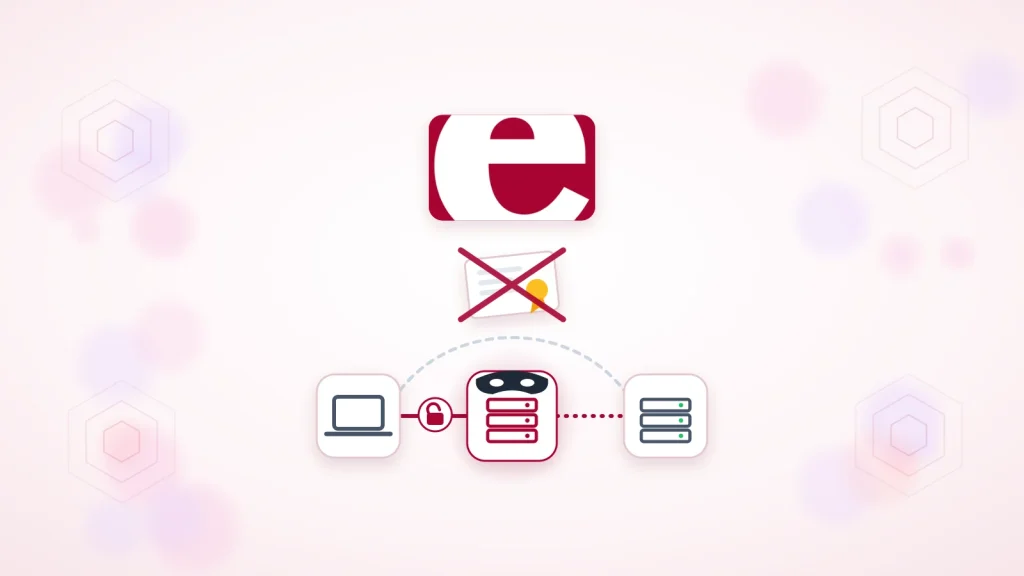
The CVSS 9.1 Erlang TLS 1.2 bypass affects clients using the ssl module, even with verify_peer turned on. When a rogue server skips the Certificate message and sends an unsigned ServerKeyExchange, the client treats the key as anonymous. As a result, certificate path checks, custom verify_fun hooks, and hostname checks never run. An on-path attacker can then spoof any TLS 1.2 or DTLS server to read and alter live traffic. However, TLS 1.3 clients and Erlang/OTP TLS servers are not affected.
SNMP Quadratic CPU DoS and VM Heap Overrun
Next, CVE-2026-116225 (CVSS 8.7) hits the SNMP BER decoder in snmp_pdus:dec_oid_element/3. Because the decoder sets no length cap on object ID parts, a single 64 kB payload burns about 230 ms of CPU time. Decoding runs inline before login checks, so a low stream of UDP packets can lock up an SNMP agent or manager.
Meanwhile, CVE-2026-116293 (CVSS 7.0) hits binary_to_term/1,2 and enif_binary_to_term(). A crafted reference tag with a zero length field causes a heap overrun that aborts the whole BEAM VM. Neither supervision trees, try/catch blocks, nor the [safe] flag can stop the crash. In addition, the bug can leak bytes read past the end of the input buffer.
Affected Versions
- CVE-2026-124286 (TLS 1.2 Bypass): OTP 17.0 and later before 29.0.3, 28.5.0.9, and 27.3.4.14 (
ssl5.3.4 and later). - CVE-2026-116225 (SNMP DoS): OTP 17.0 and later (and likely older) before 29.1.3, 28.5.0.9, and 27.3.4.20 (
snmp4.25.1 and later). - CVE-2026-116293 (VM Crash): OTP 17.0 and later (and likely older) before 29.1.3, 28.5.0.9, and 27.3.4.20 (
erts6.0 and later).
Patch and Mitigation Steps
Admins should review the official Erlang/OTP GitHub security advisories and upgrade to OTP 29.1.3, 28.5.0.9, or 27.3.4.20. Note that OTP 29 and 27 received the TLS fix earlier, while OTP 28 missed that commit until 28.5.0.9.
If you cannot patch today, force TLS clients to use TLS 1.3 only. Also, lock SNMP UDP ports to trusted management hosts with firewall rules. Finally, never pass untrusted external data into binary_to_term to block these Erlang/OTP security vulnerabilities.
Support Our Threat Intelligence
Find our vulnerability reports and weekly recaps helpful? Support our work today and unlock a 100% ad-free reading experience!
 Buy Me a Coffee
