Facebook’s Major Purge: 10 Million Accounts Removed in New Content Quality Push
 Do Son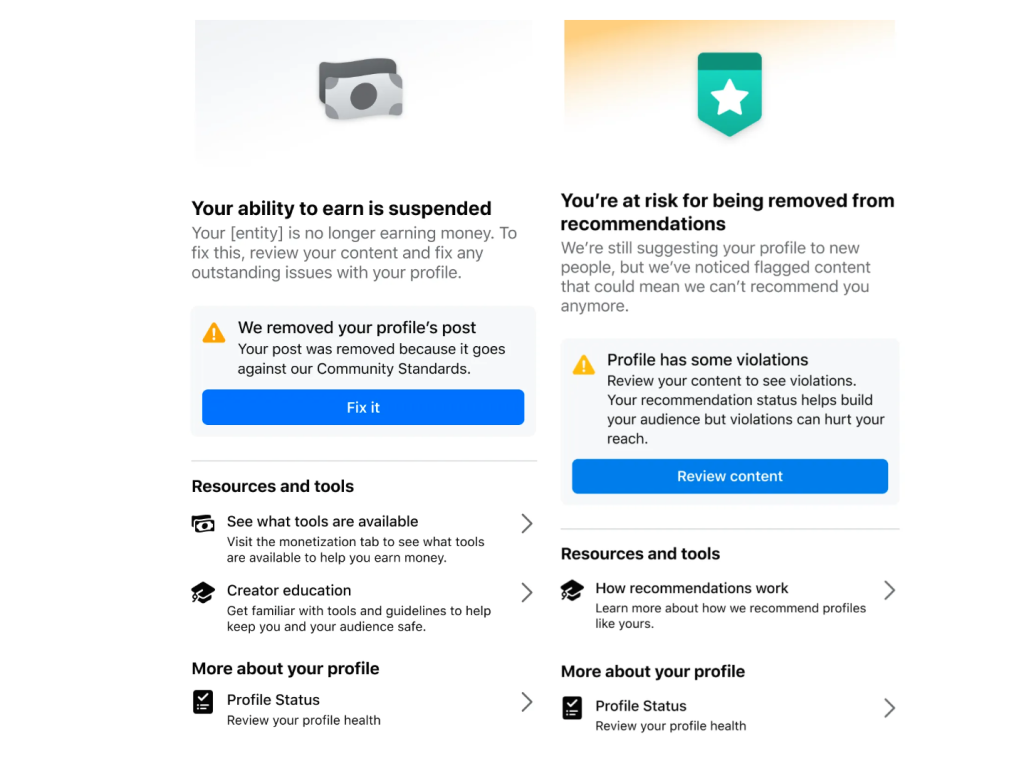
Most social networking platforms are plagued by a significant presence of low-quality accounts engaged in content theft, impersonation, and a lack of originality. Facebook, the largest of these platforms by user base, has begun taking decisive action to combat and purge such behaviors.
Since April 2025, Facebook has implemented enhancements to its feed, introducing a new recommendation algorithm designed to reduce the visibility, engagement, and monetization of spammy content. The aim is to elevate the user experience by prioritizing high-quality, original posts in the feed discovery process.
The crackdown specifically targets accounts that recycle content without original input, steal images or text, or impersonate public figures. Facebook reports having removed as many as 10 million accounts engaged in such abusive behavior, while simultaneously boosting the reach of authentic creators’ posts.
In a blog post, Facebook explained: “in the first half of 2025, we took action on around 500,000 accounts engaged in spammy behavior or fake engagement, applying measures ranging from demoting their comments and reducing the distribution of their content to preventing these accounts from monetizing. We also took down around 10 million profiles impersonating large content producers”
Looking ahead, repeated use of other people’s videos, images, or text posts—without meaningful transformation or the creator’s consent—will result in removal from Facebook’s monetization programs and a significant drop in content visibility.
To address video duplication specifically, Facebook is refining its algorithms to suppress repetitive uploads and prioritize the visibility of original videos, thereby enabling creators to reap greater rewards. These changes are expected to roll out in the coming months.
For users concerned about potential impacts to their video performance, Facebook recommends focusing on original creation, meaningful enhancements, compelling storytelling, avoiding watermarks, and employing high-quality captions.
The problem of content farms continues to haunt every major social platform. Recently, X (formerly Twitter) announced legal action against a content farm operator in Vietnam, accusing them of exploiting a network of spam accounts to fraudulently profit from X’s ad revenue-sharing program.
Related Posts:
- Cybercriminals Increasingly Target Google, Microsoft, and Amazon in Sophisticated Phishing Schemes
- Facebook allowed 61 companies to access user data after restricting information 2015
- Firefox browser launches Facebook Container extension to stop Facebook tracking
- Mozilla wants Facebook to make app private to protect user privacy by default
Support Our Threat Intelligence
Find our tech and OS security coverage helpful? Support our work today and unlock a 100% ad-free reading experience!
 Buy Me a Coffee
