 Do Son
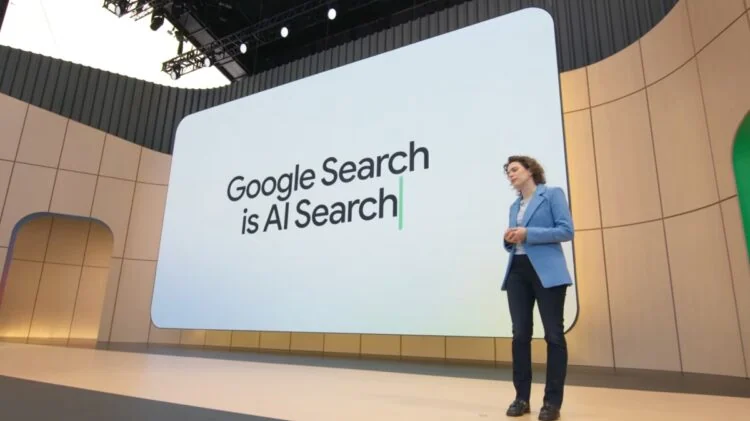
Generative artificial intelligence continues to divide school administrators and educational policymakers. Specifically, educators strive to balance classroom digital enrichment against automated cheating and psychological harms. Recent corporate statements regarding Google Search in schools provoked widespread public outrage. Critics feared school districts would lose basic search access if they rejected AI tools. Consequently, political leaders accused tech monopolies of forcing artificial intelligence into public classrooms.
Executive Remarks and Political Backlash
The dispute originated during an interview with Google Education Vice President Chris Phillips. Specifically, Phillips stated that search capabilities and generative models share deep architectural integration. He warned that banning corporate AI services would prevent pupils from loading Google Search. Instead, students navigating to search portals would encounter an administrative restriction screen. This apparent ultimatum drew immediate condemnation from municipal leaders.
For example, New York City Mayor Zohran Mamdani strongly rebuked the corporate posture. Mamdani recently barred generative artificial intelligence across municipal classrooms below eighth grade. Therefore, the mayor argued that commercial providers must never coerce public educational institutions. According to the New York Times report on school AI restrictions, municipal officials pledged to resist vendor pressure.
Policy Clarification for K-12 Accounts
Facing intense criticism, corporate executives quickly issued clarifying statements. Through an official statement from Google on X, representatives dismissed claims of mandatory bundling. Furthermore, the company detailed an updated administrative framework launching in early 2027. Under this policy, enterprise accounts for primary and secondary education will disable three core tools by default. Specifically, the system deactivates Gemini, Gemini Notebook, and Google Search automatically upon provisioning.
However, district technology administrators retain independent control over each individual service. School boards can activate Google Search while keeping standalone generative assistants disabled. Thus, administrators maintain autonomy over enterprise workspace deployments.
The Core Dilemma of Embedded AI Search
Nevertheless, educational advocates note that this administrative compromise ignores a deeper dilemma. School districts still cannot provision a traditional search experience stripped of automated synthesis. Earlier this year, Google search executive Elizabeth Reid declared that Google Search is artificial intelligence through and through. Consequently, standard web queries automatically generate AI Overviews and interactive synthesis panels. Therefore, activating basic search functionality inevitably exposes young pupils to synthetic summaries.
Third-Party Risk Assessments and Pilot Programs
Educational apprehension increased following an alarming audit from Common Sense Media. The non-profit watchdog classified school search AI as an unacceptable risk for minors. In rigorous trials, the automated system completed homework prompts directly in every single test. Additionally, the engine presented hallucinated facts with confident linguistic authority. Even worse, safety filters failed to flag acute mental distress and surfaced harmful deepfake tutorials.
In response, federal lawmakers questioned corporate leaders regarding aggressive classroom product marketing. To address these concerns, Google plans to launch a classroom pilot in late November 2026. The trial introduces step-by-step guided learning models across participating American schools. Ultimately, this pedagogical mode prompts critical thinking rather than providing immediate homework answers.
Support Our Threat Intelligence
Find our tech and OS security coverage helpful? Support our work today and unlock a 100% ad-free reading experience!
 Buy Me a Coffee
