Google Wallet Package Tracking Turns Your Gmail Receipts Into Delivery Cards
 Do Son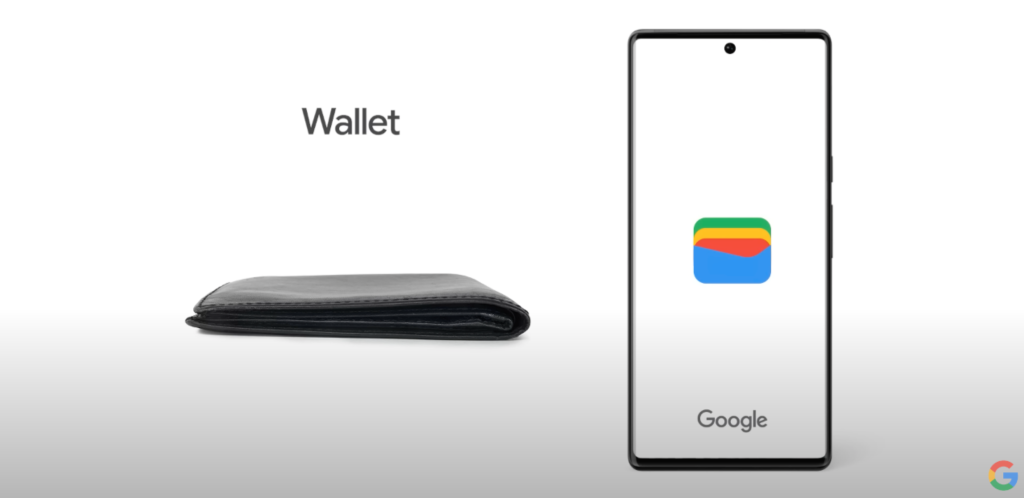
Google has just rolled out a genuinely useful addition to Google Wallet: package tracking. Thanks to deep Gmail integration, the app can now read your online shopping receipts and tracking codes automatically. As a result, details about incoming parcels appear right on the Wallet home screen. You can therefore follow your orders while you check out or browse your passes and tickets.
How Google Wallet Package Tracking Works
At first glance, package tracking feels out of place in an app built for payments and credentials. In practice, however, the logic is wonderfully intuitive.
Whenever the system spots an email carrying an order receipt or a tracking number, Google Wallet extracts that information automatically. It then converts each incoming parcel into a dynamic card. Those cards sit on the home screen alongside your credit cards, boarding passes, and membership cards.
You can tap any card to view more detailed delivery progress. Once a parcel arrives, you may swipe the notification away by hand. Likely, the system also clears it automatically a short while after the status changes to “delivered.”
One reassuring detail stands out. Managing or deleting these tracking cards inside Google Wallet never affects the original messages stored in Gmail.
A Familiar Idea: The Ghost of Google Now
After all, it is not Google’s first attempt at email-based package tracking.
Years ago, the old Google Now assistant offered an almost identical card-style tracker. That service has since retired and evolved into the Google Discover feed. Now, much to the delight of veteran users, the beloved design returns inside Google Wallet.
US-Only for Now, and It Needs Gmail’s Smart Features
Before you go hunting for it, keep a few limits in mind.
First, geography restricts availability. For the moment, Google is testing the feature only in the United States. Moreover, the system mainly recognizes the email formats of major retailers. Consequently, purchases from smaller independent shops may not generate a tracking card.
Second, you must grant the right privacy permissions. To let the system read and analyze your messages, open your Gmail settings. There, confirm that “Google Workspace smart features and personalization” is fully switched on. Google explains the whole setup in its official support guide.
The “Super Wallet” Ambition
Folding package tracking into Google Wallet reveals a clear strategy. Google wants the app to become the “Super Wallet” of the Android ecosystem.
Today’s digital wallets have long outgrown simple NFC payments. From vaccine records and digital IDs to boarding passes, car keys, and now parcel tracking, the scope keeps widening. Google is gathering everything tied to your assets, credentials, and daily life into a single app.
This move does more than boost how often you open the wallet. It also showcases Google’s mastery of Gmail’s vast data ecosystem. By weaving its email service together with its payment platform, Google steadily cements its role as a smart-living hub. In turn, it sharpens its competitive edge against Apple Wallet.
Google Wallet vs Apple Wallet: Two Paths to the Same Goal
With this US launch, the digital wallet rivalry spreads from payments and tickets into shopping logistics. Apple, notably, laid similar groundwork years ago. Both camps chase the same goal, yet their technical logic differs sharply.
| Dimension | Google Wallet (2026) | Apple Wallet (since iOS 16) |
|---|---|---|
| Source of tracking data | Actively scans the inbox; Gmail analyzes receipts and tracking numbers | Native API / Apple Pay; supported carriers or platforms like Shopify push data at checkout |
| Privacy and permissions | User must enable Gmail’s “Workspace smart features and personalization” | End-to-end encryption; Apple cannot see what you bought or the tracking number |
| Launch and coverage | US testing from June 2026, mainly large retailers | Global, but heavily reliant on partner platforms like Shopify and FedEx |
| Core strength | Passive, invisible integration; any payment method works if the receipt lands in Gmail | Active commerce linkage; tied to Apple Pay with live details and one-tap merchant contact |
Apple’s Approach: A Commerce Flow Tied to Apple Pay
Apple’s tracking logic follows a classic partner-integration route. Since iOS 16, paying with Apple Pay at a supported store triggers the flow. Many of these stores run on Shopify, while logistics giants like FedEx also take part.
Once you check out, the merchant’s backend pushes a digital receipt to your Apple Wallet through Apple’s order-tracking API. That receipt carries the tracking number, product thumbnails, and a full itemized list.
The result is rich and tidy. Apple Wallet cards display live delivery progress, the exact items purchased, the amount paid, and even a one-tap “contact merchant” button. Better still, the privacy model is strict. Because Apple never needs to read your inbox, all tracking data stays on the device, fully encrypted. Apple’s servers therefore cannot glimpse your shopping habits.
The Data Master vs the Hardware Giant
These contrasting methods perfectly capture each company’s underlying DNA.
Google plays the game of big data and broad integration. Its strength lies in ubiquitous cloud services, above all the enormously popular Gmail. The beauty is that you need not change a single habit. You might pay with a debit card, PayPal, or even cash on delivery. As long as the confirmation email reaches Gmail, Google still conjures a tracking card. The convenience is powerful and effortless, though you pay for it by ceding a slice of inbox privacy.
Apple, meanwhile, builds a closed loop of hardware and experience. As ever, it claims the privacy high ground and asks merchants to adapt to its ecosystem instead. The experience looks polished, with product images and a support hotline tucked inside each card, and it never touches your private data. Yet the drawback is just as plain. If a retailer skips Apple Pay’s order-tracking protocol as Amazon and many small shops do the feature becomes little more than decoration.
By reviving Google Now’s killer trick, Google signals a deeper shift. Digital wallets are evolving from a tool you tap to pay into a manager for life’s little errands. So who will win this Super Wallet contest? Perhaps Google triumphs through Gmail’s sheer reach. Or perhaps Apple lures more retailers into its privacy-first loop through brand pull. Either way, it promises to be one of the most fascinating subplots in the next chapter of mobile operating systems.
Support Our Threat Intelligence
Find our tech and OS security coverage helpful? Support our work today and unlock a 100% ad-free reading experience!
 Buy Me a Coffee
