 Do Son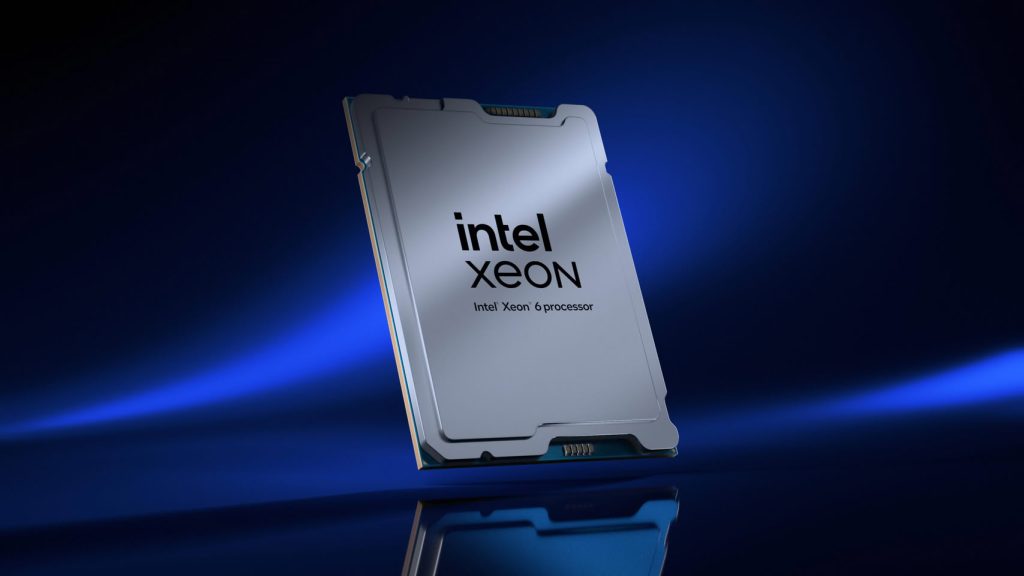
Intel had gradually phased out hyper-threading across its consumer and server processors. The Intel Core Ultra 200 series, for example, dropped support entirely. The company cited better energy efficiency, lower power draw, and reduced die area.
Its Xeon server processors also went without the feature. Now, however, Intel has decided to revive hyper-threading, starting with the Xeon 8 series.
Hyper-Threading Returns to Server CPUs
The news came at last week’s Q2 2026 earnings call. There, Intel chief executive Lip-Bu Tan outlined several strategies to reclaim share in the retail and enterprise CPU markets. As detailed in the earnings call transcript, one plan is to reintroduce simultaneous multithreading in the Coral Rapids processors due in 2028.
Tan also stressed a broader goal. Intel is working to improve single-thread performance, and thereby regain competitiveness in key market segments.
An analyst pressed him further. They asked whether Intel had any concrete five-year plan to win back share lost to AMD and ARM. Tan did not directly address the rivalry with AMD, and he downplayed competition with ARM as well. Instead, he called ARM an important partner and described a solid, ongoing relationship between the two companies.
Consumer CPUs Remain Uncertain
Hyper-threading is Intel’s proprietary implementation of simultaneous multithreading. The technology first appeared in the early 2000s, on single-core Xeon and Pentium 4 chips. Its purpose was to boost performance on multithreaded workloads.
As x86 core counts climbed steadily, though, Intel abandoned it. The company judged the technique outdated and far less important than it had been two decades earlier.
Reviving hyper-threading for Xeon is welcome news for data centers and enterprise servers. However, Intel did not reveal whether consumer processors will regain the feature.
For some professional users, hyper-threading still proves genuinely useful. Consequently, certain power users already choose workstation processors that support it when building a desktop. Those chips cost far more than ordinary consumer processors, though.
Support Our Threat Intelligence
Find our tech and OS security coverage helpful? Support our work today and unlock a 100% ad-free reading experience!
 Buy Me a Coffee
