 Do Son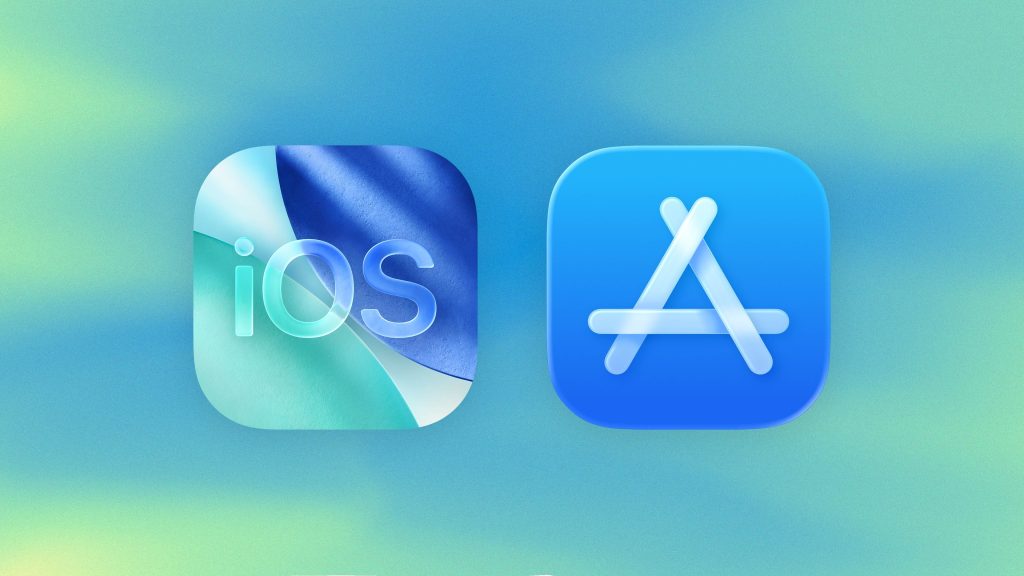
Apple’s walled garden has another crack in it. Following the EU’s Digital Markets Act, Brazil has become the latest market to force open Apple’s tightly controlled iOS ecosystem.
Apple announced that iOS 26.5 will let iPhone users in Brazil download apps from third-party marketplaces. The update also lets developers integrate payment systems outside Apple’s own In-App Purchase. Both changes stem from an agreement with Brazil’s antitrust regulator, CADE.
A Three-Year Antitrust Battle Reaches Its Conclusion
This shift traces back to a 2022 complaint filed by MercadoLibre, Latin America’s largest e-commerce platform. The company argued that Apple’s App Store commissions and distribution restrictions limited competition unfairly. After three years of investigation, Brazilian regulators approved a settlement with Apple in December 2025.
Under that agreement, Apple committed to opening iOS to alternative distribution and payment methods within 105 days. The rollout has now formally begun. Developers can start integrating the new capabilities today as part of iOS 26.5, according to Apple’s own announcement.
What’s New for Developers in Brazil
Two major capabilities are now available. First, developers can build and operate their own app marketplaces using Apple’s MarketplaceKit framework. They are no longer limited to distributing exclusively through the official App Store. Second, developers can integrate third-party payment processors directly into their apps. They can also link users to an external website to complete a purchase entirely outside Apple’s payment system.
These changes mirror the structure Apple already applies in the European Union. However, Apple has built in its own safeguards alongside the new freedoms.
Notarization and the Core Technology Commission
Apple has not opened the floodgates entirely. Every app distributed through an alternative marketplace in Brazil must still pass through a process Apple calls Notarization. This review combines automated scanning with limited human checks. It focuses on basic functionality and known security threats rather than the full scrutiny applied to official App Store submissions.
According to Apple’s announcement, this baseline review helps confirm apps function as promised and are free of known malware or viruses. It is, by Apple’s own description, less comprehensive than standard App Review.
Fees remain a central piece of the new arrangement. Developers who distribute apps through alternative marketplaces will pay a 5 percent Core Technology Commission on sales of digital goods and paid apps. Within the official App Store, developers using Apple’s own In-App Purchase system pay a reduced 10 percent commission if they qualify for programs like the Small Business Program. Developers outside those programs pay 21 percent instead.
If a developer instead uses a third-party payment processor inside an App Store app, or links users to an external website for payment, Apple charges a separate fee. This Store Services Commission runs 15 percent, reduced to 10 percent for the same qualifying developer programs.
Brazil Joins a Growing List of Regulated Markets
With this settlement, Brazil joins the European Union and Japan among the jurisdictions that have forced Apple to allow third-party app stores on iOS. South Korea forced a related but narrower change in 2022, requiring Apple to permit alternative payment systems without going as far as mandating third-party app marketplaces. The pattern across these markets has become increasingly consistent. Apple complies with the legal requirement, then introduces a new layer of security review and fee structures that preserve much of its existing revenue.
For many small and mid-sized developers, the math may not favor leaving the App Store entirely. A developer leaving the App Store must build independent payment infrastructure and host their own marketplace. They must also still pay Apple’s Core Technology Commission on top of those costs. The resulting margin may end up slimmer than simply remaining in the official App Store under the reduced small-developer rate.
Apple’s Own Stated Concerns
Apple’s announcement makes clear the company isn’t fully on board with the change. The new options for alternative marketplaces and payments, Apple wrote, open new avenues for malware, fraud, scams, and broader privacy risks. The company says it worked with Brazilian regulators to preserve specific protections, particularly for younger users.
Several of those protections target children specifically. Apps in the Kids category on the official App Store still cannot link out to external websites for payment. Any App Store app aimed at users under 18 that uses alternative payment processing must include a parental gate requiring guardian involvement before a purchase completes.
Apple also pointed to past precedent as a warning. Similar regulatory changes in the European Union and Japan, the company noted, have already enabled certain app categories that were previously unavailable on iOS, including pornography apps.
A Widening Crack in the Walled Garden
Brazil’s regulatory win marks a significant precedent across South America. As more national regulators move to challenge Apple’s distribution model, the company’s once-uniform global App Store policy continues to fragment market by market. Whether this trend accelerates further may depend on how aggressively other Latin American regulators choose to follow Brazil’s lead.
Support Our Threat Intelligence
Find our tech and OS security coverage helpful? Support our work today and unlock a 100% ad-free reading experience!
 Buy Me a Coffee
